

Allergy & Asthma Medication in Canada — From $0.51
Medically reviewed by Dr. Sarah Mitchell, RPh, Clinical Pharmacist — Updated April 2026
Allergic conditions and asthma are among the most prevalent chronic health conditions affecting Canadians — with allergic rhinitis (hay fever) affecting approximately 25–30% of the Canadian population, and asthma affecting approximately 2.4 million Canadians of all ages. This category contains two distinct drug classes addressing different aspects of allergic and respiratory disease: Zyrtec Generic (Cetirizine) — a second-generation antihistamine for allergic rhinitis, urticaria (hives), and allergic skin conditions, and Ventolin (Salbutamol/Albuterol) — a short-acting beta-2 agonist (SABA) bronchodilator used for acute asthma relief and exercise-induced bronchoconstriction. These medications address different biological mechanisms: cetirizine blocks histamine H1 receptors to prevent and relieve allergic symptoms, while salbutamol relaxes airway smooth muscle to rapidly reverse bronchospasm in asthma. From $0.51 per pill — with discreet delivery to all Canadian provinces and territories in 4 to 9 business days.
Our Anti-Allergy and Respiratory Products
| Product | Active Ingredient | Drug Class | Primary Use | From |
|---|---|---|---|---|
| Zyrtec Generic | Cetirizine hydrochloride | Second-generation antihistamine (H1 antagonist) | Seasonal & perennial allergic rhinitis, chronic urticaria, allergic conjunctivitis | $0.75/pill |
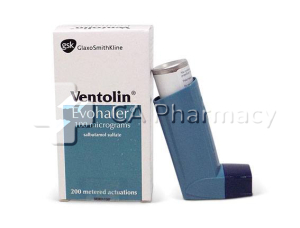
| Ventolin Inhaler | Salbutamol (Albuterol) 100mcg/dose | Short-acting beta-2 agonist (SABA) bronchodilator | Acute asthma relief, exercise-induced bronchoconstriction, COPD acute exacerbations | $22.40/inhaler |
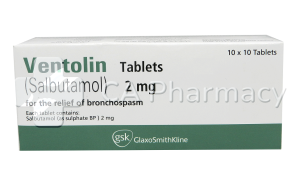
| Ventolin Tablets | Salbutamol (Albuterol) 2mg / 4mg | Short-acting beta-2 agonist (SABA) — oral | Asthma (when inhaler not appropriate), reversible airways obstruction | $0.51/pill |
Zyrtec Generic (Cetirizine) — Second-Generation Antihistamine
Zyrtec Generic (Cetirizine) is a second-generation H1 antihistamine — the most commonly recommended class of medication for allergic rhinitis, urticaria, and related allergic conditions in Canada. Cetirizine selectively and competitively antagonises peripheral histamine H1 receptors — blocking the histamine-mediated allergic response that produces the characteristic symptoms of nasal congestion, rhinorrhea (runny nose), sneezing, itchy and watery eyes, and skin hives.
How cetirizine differs from first-generation antihistamines: First-generation antihistamines (diphenhydramine — Benadryl; chlorpheniramine) readily cross the blood-brain barrier, producing significant sedation, impaired cognitive function, and anticholinergic side effects (dry mouth, urinary retention, constipation). Cetirizine is a second-generation antihistamine — its low lipophilicity and P-glycoprotein-mediated efflux from the CNS substantially limits CNS penetration, producing far less sedation than first-generation agents. This makes cetirizine appropriate for daytime use and for Canadian patients who need to drive, work, or study while managing allergy symptoms.
Health Canada-approved indications for cetirizine:
- Seasonal allergic rhinitis (hay fever): The primary indication — cetirizine effectively reduces sneezing, rhinorrhea, nasal itching, and nasal congestion caused by seasonal allergens including tree pollen (birch, oak, maple — major triggers across Ontario and Quebec in April–May), grass pollen (June–August across Canadian prairies and southern Ontario), and ragweed pollen (the most potent Canadian seasonal allergen — affecting approximately 1 in 6 Canadians from mid-August through October, particularly severe in Windsor-Sarnia corridor, Toronto, Montreal, and Ottawa)
- Perennial allergic rhinitis: Year-round allergic rhinitis caused by indoor allergens — house dust mites (particularly prevalent in Canadian homes during winter months when homes are sealed), cat and dog dander, cockroach allergen, and mould spores. Cetirizine's 24-hour duration of action with once-daily dosing makes it ideal for ongoing perennial allergy management
- Chronic urticaria (hives): Cetirizine is the first-line pharmacotherapy for chronic spontaneous urticaria — itchy wheals (hives) persisting more than 6 weeks. The standard Canadian practice is cetirizine 10mg daily, with dose escalation up to 4× the standard dose (40mg daily) under specialist supervision for treatment-resistant cases
- Allergic conjunctivitis: Itchy, red, watery eyes associated with allergic rhinitis — cetirizine reduces ocular allergic symptoms as part of its systemic H1 blockade
- Atopic dermatitis (eczema) — adjunct use: Cetirizine is commonly used in Canadian practice as adjunctive therapy for itching in atopic dermatitis, although it is not a primary eczema treatment
Cetirizine vs Loratadine vs Fexofenadine — the Canadian comparison:
| Cetirizine (Zyrtec) | Loratadine (Claritin) | Fexofenadine (Allegra) | |
|---|---|---|---|
| Generation | Second-generation | Second-generation | Third-generation |
| Half-life | ~7–10 hours | ~8–14 hours (active metabolite) | ~14 hours |
| Dosing frequency | Once daily (evening preferred) | Once daily | Once or twice daily |
| Sedation potential | Low — mild drowsiness in ~10–15% | Lowest — least sedating | Lowest — essentially non-sedating |
| Anti-allergic potency | Higher — stronger H1 blockade | Moderate | Moderate |
| Urticaria (hives) efficacy | Preferred first-line | Less evidence for urticaria | Less evidence for urticaria |
| Best for daytime use | Evening preferred; daytime possible | Yes — morning preferred | Yes — most suitable for daytime |
| Drug interactions | Alcohol, CNS depressants | Minimal | Antacids (calcium-containing) reduce absorption |
| Canadian availability at drugs-canada.com | Yes — $0.75/pill | Not currently available | Not currently available |
Cetirizine dosing in Canada:
- Adults and children over 12: 10mg once daily. Take in the evening if drowsiness is a concern
- Children 6–11 years: 5mg or 10mg once daily (depending on severity)
- Children 2–5 years: 2.5mg once daily (use liquid formulation)
- Renal impairment: Reduce dose (cetirizine is renally excreted); consult physician for specific renal dose adjustments
- Can be taken with or without food. Consistent daily dosing maintains steady-state H1 blockade — more effective for ongoing symptom control than as-needed dosing
Ventolin (Salbutamol) — Short-Acting Bronchodilator for Asthma
Ventolin Inhaler and Ventolin Tablets both contain salbutamol (internationally known as albuterol) — a selective short-acting beta-2 adrenergic agonist (SABA) that is the cornerstone of acute asthma management in Canada and internationally. Salbutamol is the standard first-line reliever medication for asthma in Canadian practice — prescribed to virtually all Canadian asthma patients as a "rescue inhaler" for acute symptom relief.
How salbutamol works — beta-2 agonism in the airways: Asthma involves chronic airway inflammation that produces episodes of bronchospasm — contraction of the smooth muscle surrounding the bronchi and bronchioles, causing airway narrowing that produces wheezing, chest tightness, cough, and shortness of breath. Salbutamol selectively stimulates beta-2 adrenergic receptors on airway smooth muscle, activating adenylyl cyclase to increase intracellular cyclic AMP (cAMP) — which activates protein kinase A, phosphorylates myosin light chain kinase, and ultimately causes smooth muscle relaxation and bronchodilation. The result is rapid widening of narrowed airways — producing symptom relief within 5 to 15 minutes of inhaled administration.
Health Canada-approved indications for salbutamol:
- Acute asthma relief ("rescue inhaler"): Salbutamol inhaler is the standard rescue medication for acute asthma symptoms in Canada — used on an as-needed basis when asthma symptoms breakthrough regular controller therapy. Every Canadian asthma patient should have a salbutamol inhaler available at all times for emergency use
- Exercise-induced bronchoconstriction (EIB): Many Canadian asthma patients — and some individuals without baseline asthma — experience bronchospasm triggered by vigorous exercise, particularly in cold dry air. Two puffs of salbutamol inhaler 15–30 minutes before exercise effectively prevents EIB in most patients. This is particularly relevant for Canadian athletes and outdoor enthusiasts who exercise in cold winter conditions
- Acute COPD exacerbations: Salbutamol is also used for acute exacerbations of chronic obstructive pulmonary disease (COPD) — providing rapid bronchodilation to relieve acute dyspnoea
- Ventolin Tablets: Oral salbutamol tablets are used when the inhaled route is not appropriate — in young children unable to use an inhaler correctly, or in specific clinical situations requiring systemic bronchodilation. The inhaled route is strongly preferred in most situations as it delivers medication directly to the airways with fewer systemic side effects at lower doses
Asthma in Canada — critical context: Asthma affects approximately 2.4 million Canadians — approximately 8% of the population. Canada has one of the highest asthma prevalence rates in the developed world, with cold winters presenting particular challenges: cold, dry air is a powerful bronchoconstriction trigger, making Canadian winters especially difficult for asthma patients. The Canadian Thoracic Society (CTS) and GINA (Global Initiative for Asthma) guidelines provide the framework for Canadian asthma management. A critical Canadian clinical principle: salbutamol (Ventolin) is a reliever/rescue medication — not a controller. Frequent reliance on the salbutamol reliever (more than 2 days per week on average) is a signal of inadequate asthma control and should prompt reassessment of controller therapy by a Canadian physician or respiratory specialist.
Ventolin Inhaler — correct technique (MDI with spacer):
- Shake the inhaler well for 5 seconds before each use
- Remove the cap and inspect the mouthpiece for debris
- Attach a spacer device if available — spacers significantly improve lung deposition and are recommended for all Canadian patients, especially children and elderly patients
- Breathe out fully away from the inhaler
- Place the mouthpiece in your mouth (or spacer mouthpiece) and close lips around it
- Begin to breathe in slowly and deeply — simultaneously press the canister once
- Continue to breathe in as slowly and deeply as possible (3–5 seconds)
- Hold your breath for 10 seconds (or as long as comfortable)
- Breathe out slowly
- Wait 30–60 seconds before taking a second puff if prescribed
Standard Ventolin dosing:
- Acute relief: 1–2 puffs (100–200mcg) as needed. If symptoms do not improve after 10–20 minutes, repeat up to 3 times in the first hour of an acute attack — if no improvement, seek emergency care
- Exercise prevention: 2 puffs 15–30 minutes before exercise
- Maximum without medical review: if requiring salbutamol more than 3 times per week for acute symptoms, consult your Canadian physician — this indicates inadequate asthma control requiring controller therapy adjustment
Emergency warning: If you are using your Ventolin inhaler more than 3–4 times and symptoms are not improving — seek emergency medical care immediately. Severe acute asthma is a life-threatening emergency. Call 911 if breathing difficulty is severe, if lips or fingernails are turning blue, or if you cannot speak in full sentences due to breathlessness.
Allergies in Canada — The Seasonal Calendar
Canada's geographic diversity creates distinct allergy seasons that vary significantly by region — Canadian allergy sufferers benefit from understanding their local pollen season:
- February–April (Early Spring — British Columbia): Tree pollens begin in BC as early as February — alder, hazel, and cottonwood. Vancouver and Victoria have one of the longest tree pollen seasons in Canada
- April–May (Spring — Ontario, Quebec, Maritimes): Birch tree pollen — the most potent tree allergen in Canada, causing cross-reactive allergies to certain foods (oral allergy syndrome: apples, cherries, carrots, celery). Maple, oak, and ash also contribute. Toronto, Ottawa, and Montreal experience heavy birch pollen in late April through May
- May–August (Grass pollen season): Timothy grass, bluegrass, rye grass, and fescue pollens dominate across southern Ontario, Quebec, and the prairie provinces. Grass pollen season is typically the most severe seasonal allergy period for Canadians, coinciding with warm weather and outdoor activity
- Mid-August–October (Ragweed season — the most impactful): Ragweed (Ambrosia artemisiifolia) pollen is the most potent seasonal allergen in Canada — affecting approximately 1 in 6 Canadians. One ragweed plant can produce up to 1 billion pollen grains per season. The Windsor-Sarnia-London corridor has the highest ragweed concentrations in Canada; Toronto, Hamilton, Ottawa, and Montreal are also severely affected. Ragweed season typically peaks in mid-September and ends with the first frost
- Year-round (Indoor allergens): House dust mites thrive in Canadian homes during winter months when homes are heated and sealed; pet dander from cats and dogs (approximately 57% of Canadian households have pets); mould spores from damp basements — common in Canadian climates
Delivery to All Canadian Provinces and Territories
drugs-canada.com ships all allergy and respiratory medications discreetly to all Canadian provinces and territories. Standard delivery: 4–9 business days.
Ontario (Toronto, Ottawa, Hamilton, London, Brampton, Mississauga, Kitchener-Waterloo) — Quebec (Montreal, Quebec City, Laval, Gatineau, Sherbrooke) — British Columbia (Vancouver, Surrey, Burnaby, Victoria, Kelowna, Abbotsford) — Alberta (Calgary, Edmonton, Red Deer, Lethbridge) — Manitoba (Winnipeg, Brandon) — Saskatchewan (Saskatoon, Regina) — Nova Scotia (Halifax, Sydney) — New Brunswick (Moncton, Saint John, Fredericton) — Newfoundland and Labrador (St. John's, Corner Brook) — Prince Edward Island (Charlottetown) — Northwest Territories (Yellowknife) — Yukon (Whitehorse) — Nunavut (Iqaluit).
All orders are dispatched in plain, unmarked packaging with no reference to the contents or sender. Every order includes a tracking number.
Frequently Asked Questions — Allergy & Asthma Medications in Canada
What is the difference between Zyrtec (cetirizine) and Ventolin (salbutamol)? Cetirizine and salbutamol treat completely different conditions through different mechanisms. Cetirizine is an antihistamine — it blocks histamine H1 receptors to prevent and relieve allergy symptoms (sneezing, runny nose, hives, itchy eyes) caused by allergen exposure. It has no effect on the airways. Salbutamol is a bronchodilator — it relaxes airway smooth muscle to rapidly reverse the bronchospasm (airway narrowing) that causes asthma symptoms. It has no antihistamine activity. Some asthma patients have allergic asthma triggered by allergens, and may benefit from both medications addressing different aspects of their condition.
Is cetirizine (Zyrtec) non-drowsy? Cetirizine is classified as a second-generation "low-sedating" antihistamine — significantly less sedating than first-generation antihistamines like diphenhydramine (Benadryl). However, approximately 10–15% of patients do experience mild drowsiness with cetirizine — more than with loratadine (Claritin) or fexofenadine (Allegra). Taking cetirizine in the evening minimises any daytime sedation effects. Patients who drive professionally or operate heavy machinery should assess their individual response before assuming cetirizine has no sedating effect for them.
How quickly does Ventolin work for asthma? Inhaled salbutamol typically produces measurable bronchodilation within 5 to 15 minutes of inhalation — with peak effect at 30 to 60 minutes and duration of approximately 4 to 6 hours. This rapid onset makes it ideal for acute symptom relief. If symptoms do not improve after 2–3 puffs over 20 minutes — seek emergency medical care. Slow or absent response to salbutamol in an acute asthma attack is a medical emergency.
Can I use Ventolin every day? Salbutamol should be used as a rescue/reliever medication — on an as-needed basis for acute symptoms, not as a daily scheduled treatment. If you are using salbutamol more than 2 days per week on average (excluding before exercise), this is a signal that your asthma is inadequately controlled. Canadian asthma guidelines recommend reassessing and upgrading controller therapy (inhaled corticosteroids, long-acting bronchodilators) rather than increasing reliance on rescue salbutamol. Discuss frequent salbutamol use with your Canadian physician or respiratory specialist.
How long does delivery to Canada take? Standard delivery to all Canadian provinces and territories takes 4 to 9 business days. All orders arrive in plain, unmarked packaging with no reference to the contents or sender. Every order includes a tracking number.
All information on this page is for general informational purposes only and does not constitute medical advice. Ventolin (salbutamol) inhaler and tablets are Schedule F prescription medicines in Canada — a valid prescription from a licensed Canadian healthcare provider is required. Always consult a qualified Canadian physician, nurse practitioner, or pharmacist before starting any new medication. For asthma emergencies — call 911 immediately.