
Diabetes Medications in Canada — Metformin and Semaglutide
Medically reviewed by Dr. Sarah Mitchell, RPh, Clinical Pharmacist — Updated April 2026
Type 2 diabetes is one of the most significant chronic disease challenges facing Canada today. Over 3.7 million Canadians — approximately 10% of the population — currently live with diagnosed diabetes, with an additional 7 to 8 million estimated to have prediabetes or undiagnosed diabetes. The Canadian health system spends approximately $30 billion annually on diabetes and its complications, including cardiovascular disease, kidney disease, neuropathy, and retinopathy. Effective blood glucose management is the cornerstone of preventing these complications — and the pharmacological options available to Canadian patients have expanded dramatically in recent years, most notably with the arrival of GLP-1 receptor agonists including oral semaglutide (Rybelsus). At drugs-canada.com, we offer two Health Canada-approved first-line antidiabetic medications: Glucophage (Metformin Hydrochloride) and Rybelsus (Semaglutide) — with discreet delivery to all Canadian provinces in 4 to 9 business days.
Type 2 Diabetes in Canada — Understanding the Condition
Type 2 diabetes mellitus is a chronic metabolic disorder characterised by insulin resistance (cells failing to respond normally to insulin) and progressive beta cell dysfunction (the pancreas failing to produce sufficient insulin to overcome resistance). Unlike type 1 diabetes, which is an autoimmune condition requiring insulin replacement from diagnosis, type 2 diabetes typically develops gradually over years and is closely associated with overweight, physical inactivity, family history, and age — though it increasingly affects younger Canadians.
The Canadian diabetes landscape:
- Diabetes affects approximately 1 in 10 Canadians — one of the highest prevalence rates among developed nations
- Type 2 diabetes accounts for approximately 90% of all diabetes cases in Canada
- Indigenous Canadians have diabetes rates 3 to 5 times higher than the general Canadian population
- South Asian, East Asian, and African Canadian populations have significantly higher diabetes risk at lower BMI thresholds than European Canadians
- The estimated annual cost per Canadian with diabetes is approximately $6,000–$10,000 in direct healthcare costs
Diabetes Canada HbA1c treatment targets: The 2023 Diabetes Canada Clinical Practice Guidelines recommend an HbA1c target of less than 7.0% for most Canadian adults with type 2 diabetes. More stringent targets (less than 6.5%) are appropriate for patients with short disease duration, long life expectancy, and no significant cardiovascular or hypoglycaemia risk. Less stringent targets (7.1–8.5%) are appropriate for elderly patients, those with limited life expectancy, severe hypoglycaemia history, or multiple comorbidities.
Our Diabetes Medications — Metformin and Semaglutide Compared
| Glucophage (Metformin) | Rybelsus (Semaglutide) | |
|---|---|---|
| Drug class | Biguanide | GLP-1 receptor agonist |
| Active ingredient | Metformin Hydrochloride | Semaglutide |
| Doses available | 300mg / 500mg / 850mg / 1000mg | 3mg / 7mg / 14mg |
| Starting price | From $0.35/pill | From $20.19/pill |
| HbA1c reduction | 1.0–2.0% | 1.0–1.4% (14mg) |
| Weight effect | Neutral / modest loss (~1–3 kg) | Significant loss (~4–6 kg) |
| Hypoglycaemia risk (monotherapy) | None | None |
| Cardiovascular benefit | Yes — UKPDS (MI ↓39%) | Yes — PIONEER-6 |
| Renal protection | Modest | Strong — FLOW trial (↓24% major kidney events) |
| Route | Oral — 2–3× daily with meals | Oral — once daily, fasting |
| Diabetes Canada guideline position | First-line — preferred initial agent | Second-line (add-on or alternative to metformin) |
| Main side effects | GI (nausea, diarrhoea) — reduced by taking with food | GI (nausea, vomiting) — reduced by slow titration |
| Special advantage | Lowest cost, longest safety record (70+ years), no injection | Greatest weight loss, once-daily oral convenience, no injection |
| Health Canada approval | Type 2 diabetes | Type 2 diabetes (2020) |
Glucophage (Metformin) — First-Line Diabetes Treatment in Canada
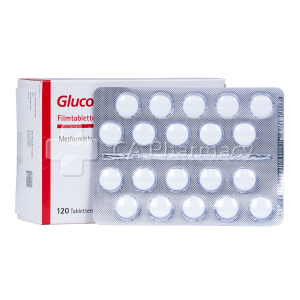
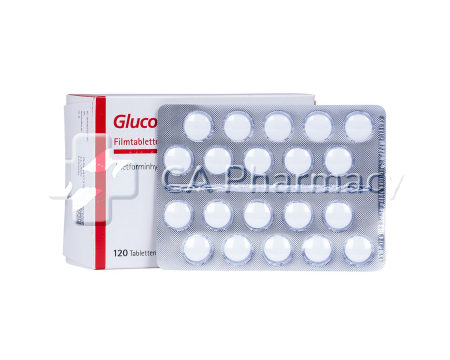
Glucophage (Metformin Hydrochloride) is the world's most widely prescribed oral antidiabetic agent and Diabetes Canada's recommended first-line pharmacological treatment for type 2 diabetes. Metformin has been in continuous clinical use since the 1950s and has accumulated one of the strongest safety and efficacy profiles of any drug in modern medicine.
How metformin works: Metformin activates AMPK (AMP-activated protein kinase) primarily in the liver, suppressing hepatic gluconeogenesis — reducing the liver's overproduction of glucose that drives elevated fasting blood sugar in type 2 diabetes. It also improves peripheral insulin sensitivity in muscle and fat tissue. Critically, metformin does not stimulate insulin secretion — making hypoglycaemia essentially impossible in monotherapy.
Key clinical data: The UKPDS trial demonstrated that metformin reduced myocardial infarction risk by 39%, diabetes-related death by 42%, and all-cause mortality by 36% in overweight newly diagnosed type 2 diabetic patients — benefits that appear partially independent of glucose lowering, suggesting direct cardioprotective mechanisms.
Available doses: 300mg, 500mg, 850mg, and 1000mg tablets. Standard maintenance: 1500–2000mg daily in divided doses with meals. Maximum: 2550mg daily.
Who benefits most from metformin:
- Newly diagnosed type 2 diabetes — first pharmacological agent in virtually all treatment algorithms
- Prediabetes — reduces progression to type 2 diabetes by 31% (Diabetes Prevention Program)
- Overweight or obese Canadian patients — weight-neutral to modest weight loss, unlike many other antidiabetics
- Patients with cardiovascular risk — proven UKPDS cardiovascular mortality reduction
- Women with PCOS — improves menstrual regularity and ovulation through insulin sensitisation
- Cost-conscious Canadian patients — one of the most affordable medications on any provincial formulary
Rybelsus (Semaglutide) — Next-Generation Oral GLP-1 for Type 2 Diabetes
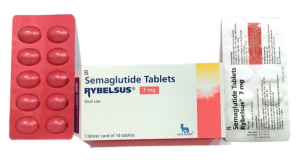
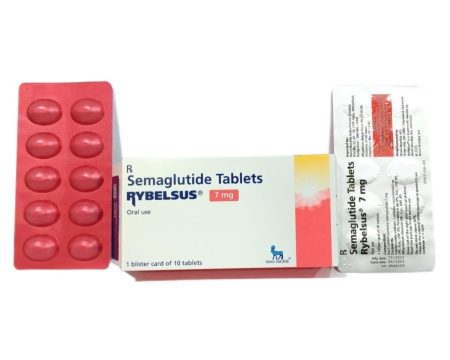
Rybelsus (Semaglutide) is the world's first and only oral GLP-1 receptor agonist — a breakthrough in diabetes pharmacology that delivers semaglutide (the same active ingredient as Ozempic injectable) in a once-daily tablet using the proprietary SNAC absorption technology. Health Canada approved Rybelsus in 2020.
How semaglutide works: Semaglutide activates GLP-1 receptors throughout the body — stimulating glucose-dependent insulin secretion from pancreatic beta cells (reducing postprandial glucose without hypoglycaemia risk), suppressing glucagon, slowing gastric emptying, and acting on hypothalamic appetite centres to reduce hunger and increase satiety. The result is simultaneous improvement in blood glucose control and significant body weight reduction — uniquely valuable for Canadian patients with both type 2 diabetes and overweight.
Key clinical data: PIONEER programme trials demonstrated HbA1c reductions of 1.0–1.4% and body weight reductions of 4–6 kg with Rybelsus 14mg. PIONEER-6 confirmed cardiovascular safety. The FLOW trial (injectable semaglutide) demonstrated 24% reduction in major kidney disease events.
Available doses: 3mg (starter dose, weeks 1–4), 7mg (therapeutic, months 2+), 14mg (maximum therapeutic dose, month 3+). Must be taken fasting first thing in the morning with no more than 120mL of plain water, with 30 minutes wait before food or other medications.
Who benefits most from Rybelsus:
- Canadian patients who cannot achieve HbA1c targets on metformin alone — Rybelsus is highly effective as add-on to metformin
- Patients with significant overweight alongside type 2 diabetes — GLP-1 driven weight loss (4–6 kg) addresses both conditions simultaneously
- Patients who want a GLP-1 agonist without injections — Rybelsus provides semaglutide's clinical benefits as an oral tablet
- Patients with established cardiovascular disease — cardiovascular safety confirmed in PIONEER-6
- Canadian patients unable to access Ozempic or Wegovy due to chronic supply shortages
Diabetes Canada Treatment Algorithm — Where These Medications Fit
The 2023 Diabetes Canada Clinical Practice Guidelines recommend the following pharmacological approach for type 2 diabetes:
- Step 1 — First-line (at diagnosis): Metformin (unless contraindicated) combined with lifestyle modification. Metformin is the preferred initial agent for all patients without contraindications due to its efficacy, safety record, cardiovascular benefit, weight neutrality, and very low cost
- Step 2 — Add-on therapy (if HbA1c target not achieved at 3 months): Add a second agent selected based on patient characteristics. For patients with established or high cardiovascular risk, Diabetes Canada specifically recommends adding a GLP-1 receptor agonist (including semaglutide/Rybelsus) or SGLT2 inhibitor to metformin. For patients primarily needing weight loss alongside glucose control, GLP-1 receptor agonists are preferred
- Step 3 — Intensification: Triple therapy or insulin addition if dual therapy is insufficient
Both medications available at drugs-canada.com — Glucophage (Metformin) and Rybelsus (Semaglutide) — are specifically recommended within the Diabetes Canada treatment algorithm, covering Step 1 and Step 2 of type 2 diabetes management respectively.
Provincial Drug Coverage for Diabetes Medications in Canada
Both metformin and semaglutide have coverage under most Canadian provincial drug benefit programs — though coverage criteria differ significantly:
Metformin (Glucophage): Generic metformin is one of the most widely covered drugs on every Canadian provincial formulary. Ontario ODB, BC PharmaCare, RAMQ Quebec, Alberta Drug Benefit List — virtually all provincial plans cover generic metformin for eligible patients at minimal or no cost. Private employer insurance plans almost universally cover metformin.
Semaglutide (Rybelsus): Coverage is more restricted. Most provincial formularies list Rybelsus with specific eligibility criteria — typically requiring prior failure of metformin and another oral agent, and meeting HbA1c thresholds. Private insurance plans vary widely — many cover GLP-1 agonists but with step therapy requirements. Novo Nordisk's NovoAssist program provides cost assistance for eligible uninsured or underinsured Canadians.
Supply shortages: Rybelsus and Ozempic (injectable semaglutide) have experienced chronic supply shortages across Canada since 2022, driven by unprecedented global demand. International online pharmacies have become an important access point for Canadian patients unable to obtain semaglutide through local channels.
Delivery to All Canadian Provinces
drugs-canada.com ships both Glucophage (Metformin) and Rybelsus (Semaglutide) discreetly to all Canadian provinces and territories. Standard delivery: 4–9 business days.
Ontario (Toronto, Ottawa, Mississauga, Hamilton, Brampton) — British Columbia (Vancouver, Victoria, Surrey, Kelowna) — Quebec (Montreal, Quebec City, Laval, Gatineau) — Alberta (Calgary, Edmonton, Red Deer) — Manitoba (Winnipeg) — Saskatchewan (Saskatoon, Regina) — Nova Scotia (Halifax) — New Brunswick (Moncton, Fredericton) — and all remaining provinces and territories.
All orders are delivered in plain, unmarked packaging with no reference to the contents or sender. A tracking number is included with every order.
Frequently Asked Questions — Diabetes Medications in Canada
Which diabetes medication should I start with — Metformin or Rybelsus? For most newly diagnosed type 2 diabetic Canadians, metformin (Glucophage) is the appropriate first-line choice — recommended by Diabetes Canada, with a 70-year safety record, proven cardiovascular benefit, weight neutrality, and very low cost. Rybelsus (Semaglutide) is typically added when metformin alone is insufficient to achieve HbA1c targets, or when additional weight loss is a priority. Discuss treatment selection with a Canadian physician or pharmacist.
Can metformin and Rybelsus be taken together? Yes — combining metformin and Rybelsus is one of the most commonly prescribed and clinically effective type 2 diabetes combinations in Canada. Their mechanisms are complementary: metformin reduces hepatic glucose production via AMPK; semaglutide stimulates insulin secretion and suppresses glucagon via GLP-1 receptors. Timing consideration: take Rybelsus first thing in the morning fasting, wait 30 minutes, eat breakfast, then take metformin with that meal.
Do I need a prescription for diabetes medications in Canada? Both Glucophage (Metformin) and Rybelsus (Semaglutide) are Schedule F prescription drugs in Canada — a valid Canadian prescription is required at regulated Canadian pharmacies. We strongly recommend consulting a Canadian physician before starting any diabetes medication. Canadian telehealth platforms including Maple, Dialogue, and Tia Health offer convenient online diabetes consultations and can facilitate prescriptions.
What is the difference between Metformin and Semaglutide? Metformin works primarily by reducing the liver's overproduction of glucose via AMPK activation — it does not stimulate insulin secretion and cannot cause hypoglycaemia. Semaglutide is a GLP-1 receptor agonist that stimulates insulin secretion in a glucose-dependent manner, suppresses glucagon, slows gastric emptying, and reduces appetite. Semaglutide produces significantly greater weight loss (4–6 kg vs 1–3 kg for metformin) and is particularly valuable for patients with cardiovascular disease or significant overweight. Metformin is significantly cheaper and has a longer safety track record.
What HbA1c target should Canadian diabetic patients aim for? Diabetes Canada recommends an HbA1c of less than 7.0% for most Canadian adults with type 2 diabetes. Less than 6.5% for younger patients without cardiovascular risk or hypoglycaemia history. Between 7.1% and 8.5% for elderly patients, those with frailty, severe hypoglycaemia history, or limited life expectancy. HbA1c is measured by a simple blood test available at any Canadian medical laboratory — typically checked every 3 months when initiating or adjusting treatment, then every 6 months when stable.
How long does delivery of diabetes medications to Canada take? Standard delivery to all Canadian provinces takes 4 to 9 business days. All orders arrive in plain, unmarked packaging with no reference to the contents or sender. Every order includes a tracking number.