
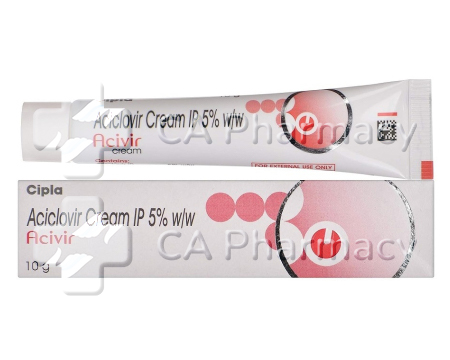
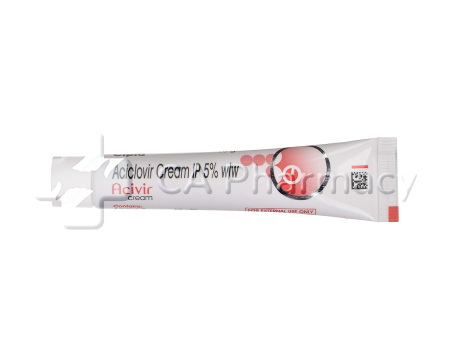
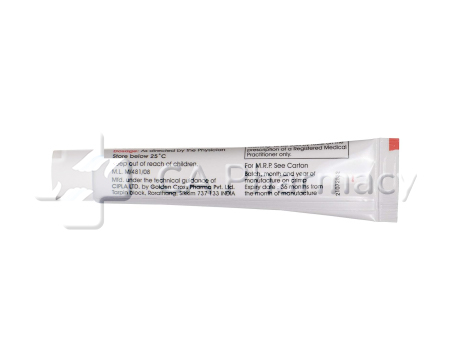
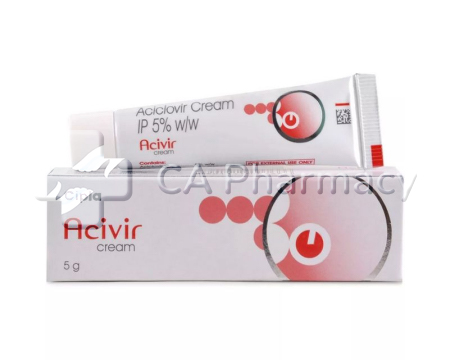



Aciclovir Cream at a Glance
How Aciclovir Cream Works — Selective Inhibition of HSV DNA Replication
Acyclovir's mechanism is one of the most elegant examples of targeted antiviral selectivity in pharmacology. It exploits an enzyme found only in herpes-infected cells, making it highly active against the virus while causing minimal harm to surrounding healthy tissue:
Why Timing Is Everything — The Prodromal Window
The single most important clinical fact about aciclovir cream is the timing of initiation. Clinical trial data shows a clear relationship between when treatment starts and how effective it is:
From Dr. Sarah Mitchell, RPh: The practical implication is simple: keep aciclovir cream on hand before an outbreak occurs. Most people with recurrent cold sores know their own prodromal signals — a specific tingling location, itching, or mild burning. The moment that sensation begins, apply the cream. Waiting even a few hours to see if it "develops into something" dramatically reduces efficacy. The medication should be in your medicine cabinet, not obtained after the outbreak has started.

Application Protocol — Step by Step
Topical Cream vs Oral Tablets — When to Use Which
Both acyclovir formulations target the same virus through the same mechanism. The clinical decision between them depends on the severity, location, and frequency of outbreaks:
| Factor | Aciclovir Cream 5% | Acyclovir Tablets (200mg oral) |
|---|---|---|
| Primary use | Cold sores (lip/face HSV-1). Localised topical genital lesions. | Genital herpes (first episode + recurrences). Shingles. Chickenpox. Frequent recurrences. |
| Systemic drug levels | Minimal — stays local at the skin site | Systemic — reaches all body tissues including nerve ganglia |
| Reduces outbreak frequency | No — treats only the current outbreak | Yes — daily suppressive therapy reduces recurrences by ~70–80% |
| Drug interactions | None clinically significant (minimal systemic absorption) | Possible with probenecid and nephrotoxic drugs (renal excretion) |
| Safe in pregnancy | Generally yes — minimal absorption; decades of safe use data | Use when benefit outweighs risk; discuss with doctor |
| Best for recurrent infections | Episodic treatment of each outbreak | Yes — oral suppressive therapy preferred for ≥6 outbreaks/year |
| Choose this when: | Cold sore on lip/face, occasional outbreaks, prefer no oral medication, pregnant | Genital herpes, frequent outbreaks, shingles, immunocompromised, severe primary episode |
What Aciclovir Cream Treats — and Its Limits

Side Effects
Topical acyclovir has an excellent safety profile due to its minimal systemic absorption. Side effects are almost exclusively local:
- Common (at application site): Mild burning or stinging on first application, transient itching, dryness or flaking of treated skin. These usually resolve within the first few applications as skin adjusts.
- Less common: Mild erythema (redness) at application site, contact dermatitis (rare — may indicate hypersensitivity to the cream base rather than acyclovir itself).
- Rare: Allergic contact dermatitis — if significant worsening of skin irritation, rash spreading beyond the application site, or swelling develops, discontinue and consult your pharmacist or physician.
- Systemic side effects: Essentially absent with topical formulation. Acyclovir cream is not measurably absorbed into systemic circulation at standard doses — making it one of the safest antiviral options available, including during pregnancy.
Contraindications and Precautions
- Hypersensitivity to acyclovir, valacyclovir, or any component of the cream formulation (including polyethylene glycol base)
- Not for ophthalmic (eye) use — a separate ophthalmic acyclovir preparation exists for herpetic eye infections
- Not for use inside the mouth, vagina, or other mucous membranes
- Children under 12 — consult a physician before use
- Immunocompromised patients (HIV, transplant, chemotherapy) — topical cream alone is usually insufficient; oral or IV acyclovir is required
Frequently Asked Questions — Aciclovir Cream in Canada
How quickly does Aciclovir Cream work? When started during the prodromal phase (tingling before any lesion appears), some patients experience an aborted outbreak — the cold sore never fully develops. When started at an early lesion (redness, papule), most patients see healing accelerated by 1–2 days compared to untreated outbreaks. Untreated cold sores typically last 7–10 days; treated ones (when started early) often resolve in 4–5 days.
Can I wear makeup or lip balm over Aciclovir Cream? Do not apply makeup or lip products directly over the cream during active treatment — doing so may reduce absorption and increase transmission risk. Allow the cream to absorb for at least 30 minutes before applying any cosmetic product near the area. Remove all makeup and cosmetics before each acyclovir application.
Does Aciclovir Cream prevent cold sores from coming back? No. Topical cream treats active outbreaks only — it does not affect the latent HSV reservoir in the nerve ganglia, so it cannot reduce the frequency of future outbreaks. For patients with frequent cold sores (more than 6 per year), oral acyclovir or valacyclovir suppressive therapy is the appropriate approach. Discuss this with your doctor.
Is Aciclovir Cream safe during pregnancy? Topical acyclovir cream is considered one of the safer antiviral options in pregnancy. Systemic absorption is minimal, and decades of clinical use have not identified significant teratogenic risk from topical application. However, as with any medication in pregnancy, discuss with your physician or midwife before use.
What triggers cold sore outbreaks? Common HSV-1 reactivation triggers include sun exposure (UV light), stress, fever or illness, hormonal changes (menstruation), dental procedures (surgery to the mouth area), fatigue, and cold or wind exposure. If sunlight is a consistent trigger for you, a lip balm with SPF 30+ applied daily can reduce outbreak frequency. Valacyclovir taken before anticipated trigger events (dental work, ski trips) can also help prevent outbreaks.
Do I need a prescription for Aciclovir Cream in Canada? Yes. Acyclovir (both cream and tablets) is a prescription medication in Canada. Your family physician, nurse practitioner, or pharmacist (in provinces with prescribing authority) can prescribe it.
How long does delivery take to my province? Standard delivery to all Canadian provinces and territories takes 4–9 business days. All orders ship in neutral packaging with no external reference to the pharmacy name or medication type.
Related Products
- Acyclovir Tablets 200mg (Zoviclovir) — oral formulation for genital herpes, shingles, and suppressive therapy
- Anti-Viral Category — full guide including acyclovir mechanism, cream vs tablets, and Vermox
The content on this page is for educational purposes only and does not constitute medical or pharmacological advice. Acyclovir is a prescription medication in Canada. Consult a licensed Canadian healthcare provider before starting antiviral therapy. Herpes simplex virus is transmissible even when no visible lesion is present (asymptomatic shedding) — a healthcare provider can advise on barrier methods and transmission risk reduction. If you have frequent or severe herpes outbreaks, discuss suppressive antiviral therapy with your physician.