



Medically reviewed by Dr. Sarah Mitchell, RPh, Clinical Pharmacist — Updated April 2026
What Is Strattera (Atomoxetine)? — Mechanism of Action
Atomoxetine belongs to the class of selective norepinephrine reuptake inhibitors (SNRIs) — it selectively blocks the norepinephrine transporter (NET), the protein responsible for removing norepinephrine (noradrenaline) from the synaptic cleft and returning it to the presynaptic neuron. By inhibiting NET, atomoxetine increases the synaptic availability of norepinephrine specifically in the prefrontal cortex (PFC) — the area of the brain most responsible for executive functions including sustained attention, working memory, response inhibition, planning, and impulse control.
Why NET inhibition in the prefrontal cortex improves ADHD: The prefrontal cortex is uniquely dependent on optimal levels of both norepinephrine and dopamine for normal function. In ADHD, prefrontal cortical circuits are underactive — insufficient noradrenergic tone impairs the PFC's ability to regulate attention and inhibit impulsive responses. Atomoxetine's selective NET inhibition in the PFC increases norepinephrine tone in exactly the circuits that are dysregulated in ADHD, improving the PFC's capacity to direct and sustain attention, filter distractions, and inhibit inappropriate responses.
The critical distinction from stimulants — no dopaminergic reward pathway activation: Stimulant ADHD medications (methylphenidate, amphetamines) produce their therapeutic effects partly by increasing dopamine in the nucleus accumbens — the brain's reward and motivation centre. This dopaminergic reward pathway activation is also responsible for the euphoria, abuse potential, and addiction risk that makes stimulants Schedule I controlled substances in Canada. Atomoxetine has minimal effect on dopamine reuptake and produces negligible dopamine elevation in the nucleus accumbens — explaining its complete absence of abuse potential and its non-controlled substance status under Canadian law.
Strattera vs Stimulant ADHD Medications — The Complete Canadian Comparison
The most important clinical decision in Canadian ADHD management is choosing between stimulant and non-stimulant therapy. This is the primary search intent for Canadians researching atomoxetine:
| Strattera (Atomoxetine) | Methylphenidate (Ritalin, Concerta, Biphentin) | Amphetamines (Adderall XR, Vyvanse) | |
|---|---|---|---|
| Mechanism | Selective NET inhibitor — norepinephrine PFC | Dopamine + norepinephrine reuptake inhibitor | Dopamine + norepinephrine releaser + reuptake inhibitor |
| Canadian legal status | Not a controlled substance — no restrictions | Schedule I controlled substance — strict Rx rules | Schedule I controlled substance — strict Rx rules |
| Abuse potential | None — no euphoria, no dependence | Moderate — subject to diversion/misuse | Higher — significant euphoria at high doses |
| Onset of action | 4–8 weeks for full effect (gradual) | 1–2 hours (immediate) | 1–2 hours (immediate) |
| Duration of coverage | 24 hours — continuous, no rebound | 4–12 hours depending on formulation | 8–14 hours depending on formulation |
| Evening/weekend coverage | Yes — continuous even without daily dosing variation | Variable — often wears off in evening | Variable — some rebound irritability reported |
| Comorbid anxiety | Safe — may help anxiety | Can worsen anxiety — use with caution | Can worsen anxiety — use with caution |
| Comorbid substance use history | Preferred — no abuse risk | Caution — controlled substance | Avoid or use with strict monitoring |
| Appetite suppression | Mild — less than stimulants | Moderate-significant — concern in children | Significant — growth monitoring required |
| Sleep disruption | Minimal — can even improve sleep quality | Common if taken late in day | Common — can cause insomnia |
| Tic disorders (Tourette's) | Safe — may reduce tics | Can worsen tics in susceptible patients | Can worsen tics in susceptible patients |
| CADDRA first-line status | Important alternative — second-line for most, first-line for specific populations | First-line for most patients | First-line for most patients |
Who Should Use Strattera in Canada — Ideal Candidates
According to CADDRA (Canadian ADHD Resource Alliance) guidelines, atomoxetine is particularly well-suited for the following Canadian patient populations:
- ADHD with comorbid anxiety disorder: Approximately 50% of adults with ADHD have a comorbid anxiety disorder — one of the most important Canadian clinical challenges. Stimulants frequently worsen anxiety through their noradrenergic and dopaminergic effects; atomoxetine does not worsen and may modestly improve anxiety symptoms. For Canadian patients with both ADHD and generalised anxiety disorder (GAD), social anxiety, or panic disorder, atomoxetine is often the preferred first choice
- ADHD with comorbid tic disorder or Tourette syndrome: Stimulants can exacerbate tics in susceptible patients — atomoxetine is safe and may reduce tic severity in patients with ADHD + tics
- ADHD with personal or family history of substance use disorder: Atomoxetine's complete lack of abuse potential makes it the preferred ADHD medication in patients with substance use history, those in addiction recovery, or families with significant substance abuse concerns. CADDRA specifically recommends non-stimulant medications in these populations
- Patients in whom stimulant diversion is a concern: In school or workplace settings where stimulant diversion is a documented problem, atomoxetine cannot be diverted for recreational use — it produces no euphoria and has zero street value
- Adults with ADHD in regulated professions: Some Canadian professions (certain military, transport, aviation, or law enforcement roles) have restrictions on stimulant use — atomoxetine is a non-controlled alternative that may be acceptable in these contexts (individual occupational health consultation required)
- Patients who have not responded to or cannot tolerate stimulants: 20–30% of ADHD patients either do not respond adequately to stimulants or experience intolerable side effects (excessive appetite suppression, cardiovascular effects, anxiety, tics, insomnia) — atomoxetine is the primary non-stimulant alternative
- Patients preferring once-daily dosing with 24-hour coverage: Atomoxetine's pharmacokinetic profile provides continuous ADHD symptom management without the "wearing off" periods that many stimulant formulations produce — important for evening homework, social activities, driving, and consistent symptom control on weekends
Adult ADHD in Canada — An Underrecognised Population
Historically, ADHD was considered a childhood disorder that resolved at puberty — this is now understood to be incorrect. ADHD persists into adulthood in approximately 60–65% of childhood cases. Adult ADHD affects an estimated 3–5% of Canadian adults — approximately 1.3 to 2 million people — the majority of whom remain undiagnosed.
Adult ADHD in Canada is particularly underdiagnosed in women. ADHD in girls and women typically presents with a predominantly inattentive phenotype — disorganisation, forgetfulness, difficulty initiating tasks, emotional dysregulation, and chronic underachievement — rather than the hyperactive-impulsive presentation more commonly seen in boys and more readily recognised by teachers and clinicians. Many Canadian women are not diagnosed with ADHD until their 30s or 40s, often when their child is diagnosed and they recognise themselves in the description.
Atomoxetine has robust clinical trial evidence for adult ADHD — including the landmark Michelson et al. (2003) study and multiple subsequent RCTs demonstrating significant improvements in ADHD symptom rating scales (ADHD-RS, CAARS), executive function measures, and quality of life in adult ADHD patients. For adult Canadians newly diagnosed with ADHD who have comorbid anxiety, substance use history, or who are in professions where stimulant use is problematic, atomoxetine represents a clinically appropriate first-choice option.
Canadian Dosing Protocol — Complete Guide
Critical counselling point — delayed onset: Unlike stimulant ADHD medications that produce noticeable improvement within hours of the first dose, atomoxetine requires 4 to 8 weeks of consistent daily dosing before full therapeutic effect is achieved. This is the single most important piece of information for Canadian patients and families starting atomoxetine. The absence of immediate effect is expected, normal, and does not indicate treatment failure. Stopping atomoxetine after 1 to 2 weeks because "it's not working" is the most common reason for premature discontinuation — and the most preventable.
Dosing for children and adolescents weighing 70kg or less:
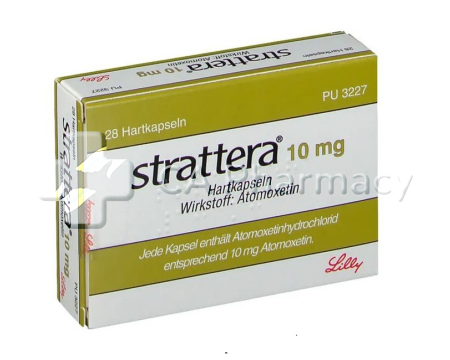
- Starting dose: 0.5 mg/kg/day for a minimum of 7 days — allows initial tolerability assessment. For a 30kg child: 15mg/day (10mg + half of an 10mg capsule, or use 18mg as closest available)
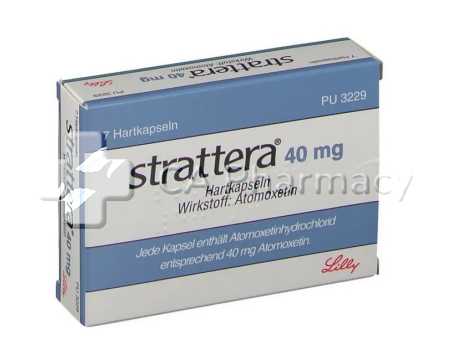
- Increase to: 1.2 mg/kg/day after 7–14 days. For a 30kg child: 36mg/day (use 40mg capsule as closest practical dose)
- Maximum dose: 1.4 mg/kg/day or 100mg/day — whichever is less
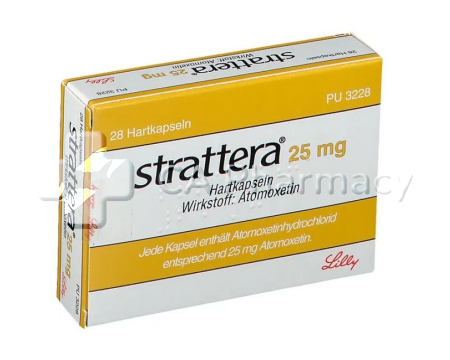
- For a 50kg adolescent: starting 25mg/day → target 60mg/day (use 2×25mg or 40mg+18mg)
Dosing for adults and patients over 70kg:
- Starting dose: 40mg once daily for a minimum of 3 days
- Increase to: 80mg/day after minimum 3 days — this is the usual effective dose for most adults
- After 2 to 4 additional weeks: can increase to 100mg/day if response is inadequate and dose is well-tolerated
- Maximum dose: 100mg/day
Administration:
- Can be given as a single morning dose or divided into two doses (morning and late afternoon/early evening). Once-daily morning dosing is preferred for simplicity and compliance
- Take with or without food — food reduces nausea (a common initial side effect). Taking with the morning meal is recommended
- Capsules should be swallowed whole — do not open, crush, or chew capsules. Atomoxetine powder is an irritant if it contacts eyes or mucous membranes
- Do not skip doses — consistent daily dosing is required to maintain therapeutic norepinephrine levels in the PFC. Unlike stimulants, atomoxetine cannot be taken "as needed"
CYP2D6 pharmacogenomics — poor metabolisers in Canada: Atomoxetine is primarily metabolised by the liver enzyme CYP2D6. Approximately 7–10% of Canadians of European ancestry are CYP2D6 poor metabolisers — they metabolise atomoxetine much more slowly, resulting in plasma levels 5–10 times higher than extensive metabolisers at the same dose. Poor metabolisers may experience more intense side effects at standard doses and should be started at the lowest dose (0.5 mg/kg for children; 40mg for adults) with very gradual titration. Your Canadian physician can order pharmacogenomic testing (available through specialty labs in Canada) to identify CYP2D6 metaboliser status if clinical response suggests poor or ultra-rapid metabolism.

Side Effects — Complete Canadian Guide
Very common — affecting most patients initially (>10%):
- Nausea and stomach upset: The most common initial side effect — affects approximately 25–30% of patients in the first 2 to 4 weeks. Significantly reduced by taking atomoxetine with food (morning meal). Usually resolves with continued use as the body acclimatises. If nausea is severe, dose reduction or temporary split dosing (twice daily) can help
- Decreased appetite: Less pronounced than with stimulants but present — monitor weight in children. Usually less clinically significant than stimulant-induced appetite suppression and less likely to affect growth trajectory
- Fatigue and drowsiness: Common initially — often resolves after 2 to 4 weeks. Taking the dose in the morning (rather than evening) helps. If daytime drowsiness is persistent, discuss dose timing with your physician
- Dry mouth: Due to noradrenergic effects — stay well hydrated; sugar-free gum or lozenges can help
- Mild increase in heart rate and blood pressure: Atomoxetine increases heart rate by approximately 6 beats per minute and systolic blood pressure by approximately 2 mmHg on average — clinically insignificant in most patients but requires monitoring in those with pre-existing cardiovascular conditions
Common — affecting some patients (1–10%):
- Dizziness — particularly on standing (orthostatic hypotension); rise slowly from sitting or lying positions, especially in the first weeks
- Constipation — increase fluid and fibre intake
- Mood changes — irritability or emotional lability in the first weeks; usually settles. Report persistent or severe mood changes to your physician
- Sleep changes — difficulty initiating sleep in some patients; morning dosing minimises this. Some patients report improved sleep quality on atomoxetine compared to stimulants
- Urinary hesitancy — due to noradrenergic effects on bladder; report to physician if persistent
Serious — requiring immediate medical attention:
- Cardiovascular events: Health Canada requires that atomoxetine be used with caution in patients with structural cardiac defects, cardiomyopathy, serious cardiac arrhythmias, or severe hypertension. A cardiovascular history and baseline vital signs assessment is required before starting atomoxetine in Canada. Patients who develop palpitations, chest pain, or significant shortness of breath should seek medical attention promptly
- Hepatotoxicity (rare): Health Canada warnings note rare cases of severe hepatic injury associated with atomoxetine. Patients should be informed to report signs of liver injury: jaundice (yellowing of skin or eyes), dark urine, significant right upper quadrant abdominal pain, unexplained nausea and vomiting, or flu-like symptoms. Stop atomoxetine and seek medical attention immediately if these occur
- Urinary retention: Clinically significant urinary retention has been reported — particularly relevant in older adult males. Report to physician
Health Canada Black Box Warning — Suicidal Ideation
Health Canada requires Strattera (atomoxetine) to carry a prominent warning about increased risk of suicidal ideation in children and adolescents with ADHD. Clinical trials identified a small but statistically significant increased rate of suicidal thinking in paediatric patients receiving atomoxetine compared to placebo — 0.4% vs 0% in placebo groups.
This warning does not mean atomoxetine should be avoided in children and adolescents — ADHD itself is associated with increased risks of accidents, academic failure, and emotional difficulties that carry their own significant morbidity. The warning means that close monitoring is essential:
- Before starting: Assess baseline mood and mental health in all paediatric patients
- During the first months: Monitor for emergence of suicidal thoughts, self-harm ideation, significant mood changes, agitation, or unusual behaviours — particularly during dose changes
- Patient and family education: Families should be counselled to report any concerning mood or behaviour changes to the prescribing physician promptly — do not wait for the next scheduled appointment
- Emergency contacts: If a child or adolescent expresses suicidal thoughts — call 9-8-8 (Canada Suicide Crisis Helpline), call 911, or go to the nearest emergency department immediately
Key Drug Interactions
- MAO inhibitors (MAOIs — phenelzine, tranylcypromine, selegiline, moclobemide): Absolute contraindication — serious, potentially fatal reactions including hypertensive crisis. Do not start atomoxetine within 14 days of stopping an MAOI. Do not start an MAOI within 14 days of stopping atomoxetine
- CYP2D6 inhibitors (fluoxetine/Prozac, paroxetine, bupropion, quinidine): These drugs significantly slow atomoxetine metabolism, substantially increasing plasma levels. When co-prescribed with fluoxetine or paroxetine, start atomoxetine at the lowest dose and titrate very slowly — plasma levels can be 5–10× higher than in patients not taking CYP2D6 inhibitors. This is particularly relevant for Canadian patients taking fluoxetine (Prozac) concurrently with atomoxetine
- Albuterol (salbutamol/Ventolin) and other beta-agonists: May produce additive increases in heart rate and blood pressure — monitor cardiovascular parameters in patients using both agents
- Antihypertensive medications: Atomoxetine's noradrenergic effects can counteract some antihypertensives — blood pressure monitoring is important in patients on antihypertensive therapy
- Other noradrenergic medications: Use with other noradrenergic agents (venlafaxine, duloxetine, tricyclic antidepressants) may produce additive cardiovascular effects — require physician oversight
Delivery to All Canadian Provinces and Territories
drugs-canada.com ships Strattera discreetly to all Canadian provinces and territories. Standard delivery: 4–9 business days.
Ontario (Toronto, Ottawa, Hamilton, London, Brampton, Mississauga, Kitchener-Waterloo) — Quebec (Montreal, Quebec City, Laval, Gatineau, Sherbrooke) — British Columbia (Vancouver, Surrey, Burnaby, Victoria, Kelowna, Abbotsford) — Alberta (Calgary, Edmonton, Red Deer, Lethbridge) — Manitoba (Winnipeg, Brandon) — Saskatchewan (Saskatoon, Regina) — Nova Scotia (Halifax, Sydney) — New Brunswick (Moncton, Saint John, Fredericton) — Newfoundland and Labrador (St. John's, Corner Brook) — Prince Edward Island (Charlottetown) — Northwest Territories (Yellowknife) — Yukon (Whitehorse) — Nunavut (Iqaluit).
All orders are dispatched in plain, unmarked packaging with no reference to the contents or sender. Every order includes a tracking number.
Frequently Asked Questions — Strattera (Atomoxetine) in Canada
How long does Strattera take to work for ADHD in Canada? Atomoxetine requires 4 to 8 weeks of consistent daily dosing before full therapeutic effect is achieved — this is its most important distinguishing characteristic compared to stimulant ADHD medications, which produce noticeable improvement within 1 to 2 hours of the first dose. During the first weeks, some patients notice modest improvements in irritability, emotional regulation, or sleep quality before attention-specific benefits become apparent. Full attention, concentration, and executive function improvements typically become evident between weeks 4 and 8. Stopping atomoxetine in the first 2 to 4 weeks because of lack of immediate effect is the most common and most preventable reason for treatment failure — patience through the therapeutic delay is essential.
Is Strattera better than Ritalin or Vyvanse for ADHD? There is no universally superior ADHD medication — the right choice depends on individual patient characteristics. Stimulants (Ritalin/methylphenidate and Vyvanse/lisdexamfetamine) produce faster onset (hours vs weeks), are effective in approximately 70–80% of patients, and remain first-line per CADDRA guidelines for most Canadian patients without specific contraindications. Strattera (atomoxetine) is superior for specific situations: ADHD with comorbid anxiety, ADHD with substance use history, patients who cannot tolerate stimulant side effects, patients needing 24-hour coverage without rebound, and patients in settings where controlled substance use is problematic. Your Canadian physician or psychiatrist can help determine which medication profile best fits your specific situation.
Can I take Strattera with Prozac (fluoxetine)? This combination requires careful medical management and is not recommended without close physician oversight. Fluoxetine is a strong CYP2D6 inhibitor — it significantly slows atomoxetine's metabolism, potentially raising atomoxetine blood levels 5 to 10 times higher than expected at a given dose. If your Canadian physician determines this combination is clinically appropriate, atomoxetine should be started at the lowest possible dose (0.5 mg/kg for children; 40mg for adults) and titrated extremely slowly. Do not take this combination without your prescribing physician's specific guidance.
Is Strattera a controlled substance in Canada? No — atomoxetine (Strattera) is not classified as a controlled substance under Canada's Controlled Drugs and Substances Act. This is a key advantage over stimulant ADHD medications (methylphenidate and amphetamines), which are Schedule I controlled substances in Canada. As a non-controlled substance, atomoxetine prescriptions have no restrictions on repeat dispensing by fax or phone, can be prescribed in larger quantities, and are not subject to the enhanced prescription monitoring programs that apply to controlled substances in most Canadian provinces.
Can adults use Strattera for ADHD in Canada? Yes — Health Canada approved atomoxetine for adult ADHD, and it is widely prescribed by Canadian psychiatrists and family physicians for adult ADHD patients. Adult ADHD is significantly underdiagnosed in Canada — particularly in women, where ADHD frequently presents with predominantly inattentive symptoms rather than hyperactivity. Adults with ADHD who have comorbid anxiety, substance use history, or who need 24-hour symptom coverage without stimulant side effects are particularly well-suited to atomoxetine. A valid diagnosis and prescription from a Canadian physician or psychiatrist is required.
How long does delivery to Canada take? Standard delivery to all Canadian provinces and territories takes 4 to 9 business days. All orders arrive in plain, unmarked packaging with no reference to the contents or sender. Every order includes a tracking number.
All information on this page is for general informational purposes only and does not constitute medical advice. Strattera (atomoxetine) is a Schedule F prescription medicine in Canada — always consult a qualified Canadian healthcare provider before starting treatment. If you or someone in your care is experiencing suicidal thoughts or a mental health crisis, call or text 9-8-8 (Canada Suicide Crisis Helpline, 24/7) or go to the nearest emergency department.