

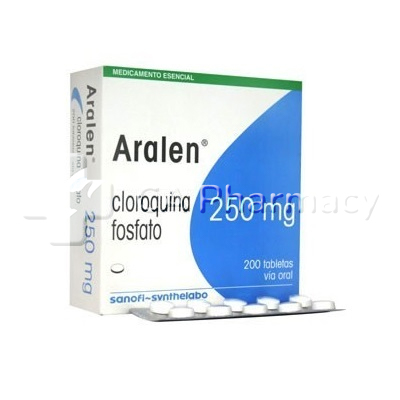


Medically reviewed by Dr. Sarah Mitchell, RPh, Clinical Pharmacist — Updated April 2026
What Is Chloroquine (Aralen)? — Mechanism of Action
Chloroquine is a 4-aminoquinoline compound that exerts its antimalarial effect through a well-understood mechanism targeting the intraerythrocytic stage of Plasmodium parasites:
Antimalarial mechanism — haem polymerisation inhibition: When Plasmodium parasites infect and replicate within human red blood cells, they digest haemoglobin as a nutrient source. This haemoglobin catabolism releases large quantities of free haem (ferriprotoporphyrin IX) — a toxic molecule that, if allowed to accumulate, would kill the parasite. Plasmodium parasites normally detoxify free haem by polymerising it into an insoluble, non-toxic crystalline pigment called haemozoin (malaria pigment). Chloroquine accumulates to high concentrations in the acidic food vacuole of the Plasmodium parasite — where it intercalates with haem and inhibits its polymerisation into haemozoin. The resulting accumulation of toxic free haem kills the parasite. This mechanism is highly selective for Plasmodium parasites and does not affect human cells, which lack the haem polymerisation pathway.
Anti-inflammatory / antirheumatic mechanism: In rheumatological conditions, chloroquine's mechanisms include accumulation in lysosomes and antigen-presenting cells, raising lysosomal pH and inhibiting lysosomal enzyme activity — reducing autoantigen processing and presentation to T-cells; interference with toll-like receptor (TLR) signalling — reducing innate immune activation; reduced production of pro-inflammatory cytokines including IL-1, IL-6, and TNF-α; inhibition of phospholipase A2 — reducing arachidonic acid release and downstream prostaglandin and leukotriene production. These mechanisms collectively reduce the chronic synovial inflammation in rheumatoid arthritis and the systemic autoimmune activity in lupus erythematosus.
Health Canada-Approved Indications
1. Malaria Prophylaxis — Prevention for Canadian Travellers
Malaria prophylaxis is the most important indication for chloroquine among Canadian patients. Approximately 400 to 600 cases of imported malaria are diagnosed in Canada annually — primarily in travellers, immigrants, and visiting friends and relatives (VFR) returning from malaria-endemic regions. Chloroquine-sensitive malaria remains prevalent in several regions commonly visited by Canadians:
- Central America and the Caribbean where chloroquine is effective: Mexico (rural areas below 1,000m, particularly Oaxaca, Chiapas), Guatemala, Honduras, Nicaragua, Costa Rica, Panama (except Darién Province), Haiti, Dominican Republic, parts of rural areas of El Salvador
- Middle East: Parts of Iran, Iraq, Saudi Arabia (rural areas), Yemen, Oman, UAE (limited risk areas)
- South Asia (limited areas): Parts of rural India (P. vivax predominant in many areas — but resistance patterns vary), Sri Lanka
- North Africa: Parts of Egypt, Morocco, Algeria (very low risk)
Regions where chloroquine is NOT effective — chloroquine-resistant malaria: Canadian travellers to sub-Saharan Africa, Southeast Asia (Thailand, Vietnam, Cambodia, Myanmar, Laos), Papua New Guinea, and most of South Asia and the Amazon Basin of South America are at risk from chloroquine-resistant P. falciparum. For these destinations, Health Canada and the Canadian Committee to Advise on Tropical Medicine and Travel (CATMAT) recommend alternative prophylaxis: atovaquone-proguanil (Malarone), mefloquine (Lariam), or doxycycline.
Chloroquine prophylaxis protocol for Canadian travellers:
- Standard adult dose: 500mg (300mg base) once weekly
- Start: 1 to 2 weeks before entering the malaria-endemic area (allows therapeutic blood levels to be established and permits assessment of tolerability before departure)
- Continue throughout the stay
- Continue for 4 weeks after leaving the malaria-endemic area (covers the incubation period of P. vivax and P. ovale, which can emerge from liver hypnozoites weeks after departure)
- Always consult a Canadian travel medicine clinic (most major Canadian cities have specialised travel clinics) or your family physician before departure for personalised malaria prophylaxis recommendations based on your specific itinerary, health status, and duration of travel
2. Malaria Treatment — Acute Chloroquine-Sensitive Malaria
For treatment of acute uncomplicated malaria caused by chloroquine-sensitive P. falciparum, P. vivax, P. malariae, and P. ovale:
- Initial dose: 1g (600mg base) immediately
- Second dose: 500mg (300mg base) 6 to 8 hours after the initial dose
- Subsequent doses: 500mg (300mg base) once daily for 2 consecutive days
- Total course: approximately 2.5g chloroquine phosphate (1.5g base) over 3 days
- For P. vivax and P. ovale malaria: primaquine must be added to eliminate liver-stage hypnozoites and prevent relapse — chloroquine alone does not cure the hepatic reservoir. G6PD testing is mandatory before primaquine use (see precautions)
Children's dosing: Based on body weight — approximately 8.3mg/kg base (up to maximum adult dose) as initial dose, with subsequent doses adjusted proportionally. Consult a Canadian paediatrician or travel medicine specialist for precise weight-based dosing in children.
3. Rheumatoid Arthritis (RA) — Disease-Modifying Antirheumatic Agent
Chloroquine is a conventional synthetic DMARD used in the management of rheumatoid arthritis — primarily as a milder DMARD for early, mild-to-moderate RA, or as part of combination DMARD therapy. While the closely related hydroxychloroquine (Plaquenil) is more commonly used in Canadian rheumatology practice today due to a marginally better tolerability profile, chloroquine remains an evidence-based treatment option.
- Typical RA dose: 250mg chloroquine phosphate (150mg base) once daily
- Onset of antirheumatic effect: 1 to 6 months — DMARDs require sustained treatment before clinical benefit becomes apparent
- Regular ophthalmological monitoring is required (see retinal toxicity below)
4. Lupus Erythematosus (Discoid and Systemic)
Chloroquine reduces lupus disease activity, particularly for cutaneous manifestations (discoid lupus, photosensitive rashes) and constitutional symptoms. Hydroxychloroquine is more commonly used in Canadian clinical practice for lupus due to its established evidence base and safety data, but chloroquine is an accepted alternative, particularly for hydroxychloroquine-intolerant patients.
5. COVID-19 — Not Recommended (Evidence Summary)
Chloroquine was studied extensively for COVID-19 during the pandemic based on in vitro antiviral activity against SARS-CoV-2. However, multiple large, rigorous randomised controlled trials found no clinical benefit:
- WHO Solidarity Trial — multinational, 11,266 patients: no significant reduction in mortality, ventilation, or hospital duration
- UK RECOVERY Trial — 1,542 patients: no benefit in mortality, hospital length of stay, or clinical progression
- Multiple additional RCTs in outpatient and prevention settings: consistently negative results
The FDA Emergency Use Authorization for chloroquine/hydroxychloroquine in hospitalised COVID-19 patients was revoked in June 2020, citing likely inefficacy and increased risk of cardiac arrhythmias (particularly QT prolongation leading to torsades de pointes). Health Canada, the WHO, and the Public Health Agency of Canada do not recommend chloroquine or hydroxychloroquine for COVID-19 prevention, treatment, or post-exposure prophylaxis.

Chloroquine vs Hydroxychloroquine — The Canadian Clinical Comparison
Canadian patients and physicians frequently compare chloroquine (Aralen) and hydroxychloroquine (Plaquenil). Both are 4-aminoquinolines with similar mechanisms, indications, and side effect profiles — but with important differences:
| Chloroquine (Aralen) | Hydroxychloroquine (Plaquenil) | |
|---|---|---|
| Potency ratio | Reference | ~50% less potent by weight (higher mg doses required for equivalent effect) |
| Retinal toxicity risk | Higher — lower maximum safe daily dose | Lower — preferred for long-term rheumatology use |
| QT prolongation risk | Higher | Lower |
| Malaria prophylaxis use | Yes — standard chloroquine-sensitive areas | Less commonly used (chloroquine preferred for malaria) |
| Rheumatology use (Canada) | Yes — less preferred | First choice for RA and lupus |
| Lupus evidence base | Established | More extensive — preferred in Canadian guidelines |
| Ophthalmology monitoring | Required — baseline + annual | Required — baseline + annual |
| Pregnancy safety | Category C — caution | Category C — considered safer in Canadian practice for lupus in pregnancy |
Side Effects — Complete Canadian Guide
Common — affecting a significant proportion of patients:
- Gastrointestinal effects: Nausea, vomiting, diarrhoea, and abdominal cramps are the most common side effects of chloroquine — particularly with the higher doses used for malaria treatment versus the lower weekly prophylactic doses. Taking chloroquine with food substantially reduces GI side effects. The malaria prophylaxis dose (500mg once weekly) is generally well-tolerated when taken with a meal
- Headache: Common, particularly early in treatment. Usually mild and resolves with continued use
- Dizziness: Mild; usually subsides as the body acclimatises. Avoid driving or operating machinery if dizziness is significant
- Pruritus (skin itching): Particularly notable in patients of African ancestry — occurs in up to 70–75% of Black African patients taking chloroquine. The mechanism relates to histamine release. Antihistamines may provide relief; if severe, alternative antimalarial prophylaxis should be considered
- Skin pigmentation: Long-term chloroquine use can cause bluish-grey or brown discolouration of the skin, nails, and oral mucosa. More common with prolonged use at higher doses
- Hair discolouration: Rarely, chloroquine can bleach or discolour hair
- Photosensitivity: Increased sensitivity to sunlight — use sunscreen and protective clothing during outdoor activities while taking chloroquine
Serious — requiring monitoring or medical attention:
- Retinal toxicity (chloroquine retinopathy) — the most important long-term safety concern: The most clinically significant side effect of chronic chloroquine use. Chloroquine accumulates in retinal pigment epithelium (RPE) cells, causing progressive retinal damage that can lead to irreversible visual impairment — including the characteristic "bull's eye maculopathy" pattern visible on fundoscopy and OCT. Retinal toxicity risk is dose-dependent and cumulative — it is rare in the first 5 years of treatment at recommended doses but increases significantly with prolonged use. Risk factors: cumulative dose exceeding 460g total chloroquine phosphate, daily dose >2.3mg/kg/day, duration greater than 5 years, pre-existing renal or macular disease, age over 60. Canadian ophthalmological monitoring protocol: baseline retinal examination before starting chloroquine (or within the first year); annual retinal examination from year 5 onward (or earlier if risk factors are present). Retinal changes are initially asymptomatic — regular monitoring is essential to detect damage before it progresses to symptomatic vision loss, as damage is irreversible once it occurs
- Cardiac toxicity — QTc prolongation: Chloroquine prolongs cardiac ventricular repolarisation (QT interval on ECG) — which can predispose to the potentially fatal arrhythmia torsades de pointes. This was a significant concern in the COVID-19 context when chloroquine was used at higher than standard doses. At standard antimalarial prophylaxis and rheumatological doses, the cardiac risk is lower but still clinically relevant in patients with: pre-existing long QT syndrome, cardiac disease, hypokalaemia or hypomagnesaemia, or concomitant use of other QT-prolonging medications (macrolide antibiotics, fluoroquinolones, antipsychotics, antifungals, some antihistamines). Baseline ECG is recommended before starting chloroquine in patients with cardiac risk factors
- Glucose-6-phosphate dehydrogenase (G6PD) deficiency: G6PD deficiency is a genetic condition prevalent in populations from sub-Saharan Africa, Mediterranean countries, the Middle East, and South/Southeast Asia — affecting approximately 400 million people worldwide, including many Canadian immigrants from these regions. Chloroquine can precipitate haemolytic anaemia in G6PD-deficient individuals. G6PD testing is strongly recommended before prescribing chloroquine for long-term use in patients from endemic populations. This is particularly critical before adding primaquine (for P. vivax/P. ovale relapse prevention) which causes more severe haemolysis in G6PD deficiency
- Neuropsychiatric effects: Rarely, chloroquine can cause agitation, confusion, personality changes, psychosis, or seizures — particularly at higher doses. More common in patients with pre-existing neurological conditions or those receiving high treatment doses. Report any significant mood or behavioural changes to a physician
- Neuromuscular toxicity: Chronic high-dose chloroquine can cause proximal muscle weakness (chloroquine myopathy) and peripheral neuropathy — typically developing after years of use at higher than recommended doses
Key Drug Interactions
- QT-prolonging medications (most important interaction class): Combining chloroquine with other QT-prolonging drugs markedly increases the risk of torsades de pointes. Avoid or use with extreme caution with: azithromycin (Zithromax), clarithromycin, fluoroquinolones (ciprofloxacin, levofloxacin), antipsychotics (haloperidol, quetiapine, olanzapine), azole antifungals (fluconazole, itraconazole), methadone, ondansetron (Zofran). Canadian patients on any QT-prolonging medication should inform their physician before starting chloroquine
- Antacids and kaolin: Aluminium and magnesium-containing antacids and kaolin substantially reduce chloroquine absorption — separate administration by at least 4 hours
- Digoxin: Chloroquine may increase digoxin plasma levels — monitor for digoxin toxicity; measure digoxin levels
- Ciclosporin (Cyclosporine): Chloroquine increases ciclosporin blood levels — dose adjustment and monitoring required
- Insulin and oral antidiabetics: Chloroquine has intrinsic hypoglycaemic activity — may potentiate the effect of insulin and oral hypoglycaemics. Monitor blood glucose closely in diabetic patients
- Mefloquine: Both drugs are QT-prolonging — the combination increases cardiac arrhythmia risk and the potential for seizures. Avoid simultaneous use; maintain a gap of at least 12 hours between chloroquine and mefloquine
- Praziquantel: Chloroquine reduces plasma levels of praziquantel (used for schistosomiasis and tapeworm infections) — avoid concurrent use if possible
Special Populations — Canadian Considerations
Pregnancy: Malaria during pregnancy carries very high maternal and fetal mortality and morbidity risk — chloroquine is considered safer in pregnancy than the risk of malaria for travel to chloroquine-sensitive regions. Chloroquine prophylaxis is generally continued in pregnant Canadian travellers who cannot avoid travel to chloroquine-sensitive malaria-endemic areas. However, travel to chloroquine-resistant regions (where alternatives with more limited pregnancy safety data are required) is strongly discouraged during pregnancy. Consult a Canadian travel medicine specialist or obstetrician before any travel to malaria-endemic regions during pregnancy.
Breastfeeding: Chloroquine is excreted in breast milk in small amounts — insufficient to protect the nursing infant from malaria. Nursing infants of mothers taking chloroquine should receive their own age-appropriate malaria prophylaxis when travelling to endemic areas.
Children: Chloroquine dosing is weight-based in children. Chloroquine tablets must not be crushed and given to young children without physician guidance — accidental ingestion of even 1 to 2 adult tablets by a small child can be lethal due to chloroquine's narrow therapeutic index in children. Store all chloroquine securely away from children.
Renal impairment: Chloroquine is partially renally excreted — caution and dose adjustment is needed in significant renal impairment. Consult a nephrologist or infectious disease specialist.
Hepatic impairment: Use with caution in significant hepatic disease — chloroquine undergoes hepatic metabolism.
Delivery to All Canadian Provinces and Territories
drugs-canada.com ships Aralen Generic discreetly to all Canadian provinces and territories. Standard delivery: 4–9 business days.
Ontario (Toronto, Ottawa, Hamilton, London, Brampton, Mississauga, Kitchener-Waterloo) — Quebec (Montreal, Quebec City, Laval, Gatineau, Sherbrooke) — British Columbia (Vancouver, Surrey, Burnaby, Victoria, Kelowna, Abbotsford) — Alberta (Calgary, Edmonton, Red Deer, Lethbridge) — Manitoba (Winnipeg, Brandon) — Saskatchewan (Saskatoon, Regina) — Nova Scotia (Halifax, Sydney) — New Brunswick (Moncton, Saint John, Fredericton) — Newfoundland and Labrador (St. John's, Corner Brook) — Prince Edward Island (Charlottetown) — Northwest Territories (Yellowknife) — Yukon (Whitehorse) — Nunavut (Iqaluit).
All orders are dispatched in plain, unmarked packaging with no reference to the contents or sender. Every order includes a tracking number.
Frequently Asked Questions — Aralen (Chloroquine) in Canada
Which countries require chloroquine malaria prophylaxis for Canadian travellers? Chloroquine is appropriate prophylaxis for travel to regions where chloroquine-sensitive malaria predominates — primarily Central America (Mexico rural areas, Guatemala, Honduras, El Salvador, Nicaragua, Costa Rica, Panama excluding Darién), Haiti, the Dominican Republic, and parts of the Middle East and North Africa. For sub-Saharan Africa, Southeast Asia, and most of South America, chloroquine-resistant malaria is prevalent and alternative prophylaxis (Malarone/atovaquone-proguanil, mefloquine, doxycycline) is required. Always consult a Canadian travel medicine clinic for destination-specific recommendations.
Is chloroquine effective against COVID-19? No — chloroquine is not recommended for COVID-19 by Health Canada, the WHO, or the Public Health Agency of Canada. The FDA Emergency Use Authorization for chloroquine in COVID-19 was revoked in June 2020 after large clinical trials found no benefit and identified significant cardiac risks at the doses used. Chloroquine at drugs-canada.com is sold exclusively for its established indications: malaria and rheumatological conditions.
Do I need regular eye examinations while taking chloroquine? Yes — regular ophthalmological monitoring is essential for all patients on long-term chloroquine therapy. The standard Canadian protocol requires a baseline retinal examination before starting or within the first year, then annual retinal screening from year 5 onward (or earlier if risk factors are present). Early retinal changes are asymptomatic and only detectable with specialised testing — by the time visual symptoms appear, significant irreversible damage has already occurred. Inform your optometrist or ophthalmologist that you are taking chloroquine.
What is the difference between 250mg and 500mg chloroquine tablets? Both tablet strengths contain chloroquine phosphate — the 250mg tablet contains 150mg chloroquine base, and the 500mg tablet contains 300mg chloroquine base. The 500mg tablet is typically used for weekly malaria prophylaxis (one tablet once weekly) and acute malaria treatment. The 250mg tablet is commonly used for rheumatological indications where lower daily doses are appropriate. Follow your Canadian physician's specific dosing instructions.
How long does delivery to Canada take? Standard delivery to all Canadian provinces and territories takes 4 to 9 business days. All orders arrive in plain, unmarked packaging with no reference to the contents or sender. Every order includes a tracking number.
All information on this page is for general informational purposes only and does not constitute medical advice. Aralen (Chloroquine Phosphate) is a Schedule F prescription medicine in Canada — a valid prescription from a licensed Canadian healthcare provider is required. Chloroquine is not recommended for COVID-19 treatment. For malaria prophylaxis, always consult a Canadian travel medicine specialist before departure. Always consult a qualified Canadian physician before starting any new medication.