


Medically reviewed by Dr. Sarah Mitchell, RPh, Clinical Pharmacist — Updated April 2026
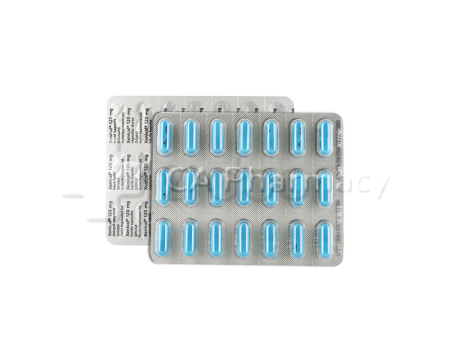
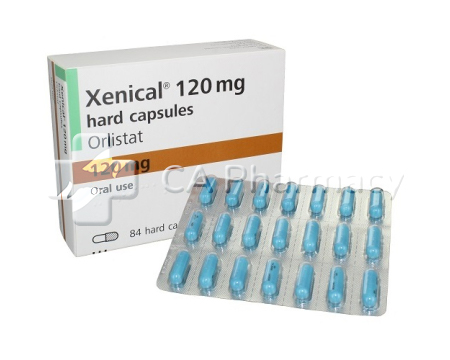
What Is Xenical Generic (Orlistat)? — Complete Mechanism of Action
Orlistat is a semi-synthetic derivative of lipstatin, a natural product of the soil bacterium Streptomyces toxytricini. It is a potent, selective, and irreversible inhibitor of gastric and pancreatic lipase enzymes — the enzymes responsible for hydrolysing (breaking down) dietary triglycerides into absorbable free fatty acids and monoglycerides in the intestinal lumen.
The lipase inhibition mechanism in detail:
- Normal fat digestion: When fat is consumed, pancreatic lipase and gastric lipase are secreted into the intestinal lumen. These enzymes bind to fat droplets (dietary triglycerides) and hydrolyse the ester bonds, releasing free fatty acids and monoglycerides that are small enough to be absorbed through the intestinal wall into the lymphatic system and eventually the bloodstream
- Orlistat's covalent serine binding: Orlistat forms a stable, irreversible covalent bond specifically with the active serine residue in the catalytic triad of gastric and pancreatic lipase — permanently inactivating these enzyme molecules for the duration of their intestinal transit. This highly targeted binding means orlistat does not inhibit other digestive enzymes (amylase for carbohydrates, proteases for proteins)
- Unabsorbed fat excretion: With approximately 30% of ingested dietary fat unable to be hydrolysed, these intact triglycerides remain in the intestinal lumen and are excreted in the faeces. A typical 2,000 kcal/day diet with 30% fat content (66g fat/day) thus has approximately 20g of fat per day rendered unabsorbable — creating a sustained daily caloric deficit of approximately 180 kcal. Over time, this deficit drives weight loss
- Systemic non-absorption: Less than 1% of an oral orlistat dose is systemically absorbed — the medication acts almost entirely within the GI lumen. This is the pharmacological basis of orlistat's excellent safety profile and absence of CNS, cardiovascular, or hormonal side effects
Why orlistat's mechanism is clinically valuable: Orlistat's purely peripheral mechanism means it does not affect neurotransmitters, hormones, or appetite regulation pathways. It is appropriate for patients with cardiovascular disease, psychiatric conditions, or those who cannot take centrally-acting medications. Unlike stimulant-based approaches, orlistat does not cause palpitations, insomnia, elevated blood pressure, or anxiety.
Health Canada Eligibility — Who Qualifies
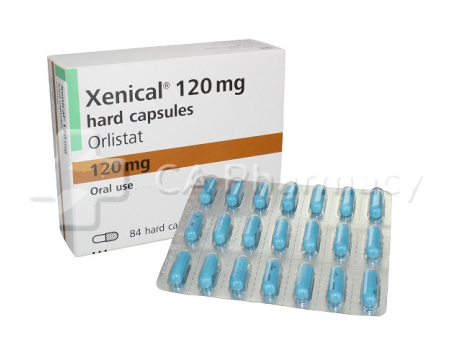
Xenical Generic (Orlistat 120mg) is approved by Health Canada for adults meeting specific BMI and clinical criteria:
- BMI ≥30 kg/m² (obesity): Primary indication — all adults with BMI 30 or above qualify regardless of comorbidities
- BMI ≥27 kg/m² with obesity-related comorbidities: Adults with BMI 27–29.9 who have at least one of: type 2 diabetes, hypertension, dyslipidaemia, obstructive sleep apnea, non-alcoholic fatty liver disease, polycystic ovary syndrome, or osteoarthritis attributable to excess weight
- Combined with lifestyle intervention: Orlistat must be used as an adjunct to a reduced-calorie diet and increased physical activity — not as monotherapy
- Adults 18 years and older
Contraindications: Chronic malabsorption syndrome; cholestasis; pregnancy; known hypersensitivity to orlistat; organ transplant patients on ciclosporin (see drug interactions)
Clinical Evidence — XENDOS Trial and Key Data
Orlistat's clinical evidence base is robust — the landmark XENDOS (XENical in the prevention of Diabetes in Obese Subjects) trial and multiple meta-analyses provide strong evidence of both weight loss efficacy and metabolic benefits:
XENDOS Trial (4-year randomised controlled trial, 3,304 obese Swedish patients):
- 37% reduction in new-onset type 2 diabetes: The most clinically significant XENDOS finding — orlistat + lifestyle reduced type 2 diabetes incidence by 37.3% compared to placebo + lifestyle in patients with impaired glucose tolerance at baseline. This benefit was independent of and in addition to the weight loss achieved
- Average weight loss: 5.8kg with orlistat vs 3.0kg with placebo at 4 years
- Significantly greater proportion of patients achieving ≥5% weight loss (57% orlistat vs 31% placebo)
- Significant reductions in LDL cholesterol (independent of weight loss effect) and improvement in glycaemic parameters
- Maintained efficacy over 4 years with ongoing treatment
Meta-analysis data (Cochrane and systematic reviews):
- Additional weight loss vs placebo at 12 months: approximately 2.5 to 3.4 kg mean difference
- Approximately 57% of orlistat-treated patients achieved ≥5% weight loss at 1 year vs 31% placebo
- Approximately 22% achieved ≥10% weight loss at 1 year vs 10% placebo
- Cardiometabolic benefits: modest blood pressure reduction, LDL cholesterol reduction, glycated haemoglobin (HbA1c) improvement in patients with type 2 diabetes
Realistic expectations for Canadian patients: Orlistat produces modest but clinically meaningful weight loss — not the dramatic results of GLP-1 receptor agonists (semaglutide, liraglutide). A 5 to 7% body weight reduction may seem modest numerically but produces significant clinical benefit: a 5% reduction in body weight in a person with obesity reduces cardiovascular risk, improves glycaemic control, lowers blood pressure, and reduces joint loading. The additional 37% diabetes risk reduction (XENDOS) is particularly significant for Canadian patients with prediabetes or metabolic syndrome.

Xenical Generic vs Alli (Orlistat 60mg OTC) — The Canadian Comparison
A frequent question in Canadian pharmacies: what is the difference between prescription Xenical Generic (orlistat 120mg) and Alli (orlistat 60mg, available OTC in some jurisdictions)?
| Xenical Generic (Orlistat 120mg) | Alli (Orlistat 60mg OTC) | |
|---|---|---|
| Active ingredient | Identical — orlistat | |
| Dose per capsule | 120mg (prescription strength) | 60mg (half the dose) |
| Fat blocking efficacy | ~30% of dietary fat blocked | ~25% of dietary fat blocked |
| Clinical trial weight loss | ~5–7% at 12 months | ~3–5% at 12 months |
| Prescription required | Yes — Schedule F in Canada | No — OTC (where available) |
| BMI eligibility (prescription) | BMI ≥30, or ≥27 with comorbidities | OTC use typically for BMI 25–28 |
| GI side effects | More pronounced (higher dose) | Less pronounced (lower dose) |
| Vitamin supplementation needed | Both require ADEK multivitamin supplementation | |
| Diabetes risk reduction evidence | Yes — XENDOS trial (37% reduction) | Not specifically studied at 60mg |
| Availability at drugs-canada.com | Yes — from $1.75/pill | Not available |
Canadian Dosing Guide
Standard dose: One 120mg capsule three times daily — taken with each of three main meals containing fat.
When to take:
- Take immediately before the meal, during the meal, or up to 1 hour after the meal
- The meal must contain fat — if a meal is fat-free or skipped, omit that dose; orlistat has no benefit without dietary fat present to block
- Do not take more than 3 capsules per day — no additional benefit, increased side effect risk
The "15g fat per meal" rule — the most important practical guidance: To achieve the best balance of weight loss benefit and minimal GI side effects, aim for approximately 15 to 20g of fat per meal (45 to 60g total fat per day on a three-meal pattern). Meals exceeding 20g of fat reliably cause pronounced GI side effects (oily spotting, urgency, flatulence with discharge). This works as both a clinical guideline and a real-time behavioural feedback mechanism — the GI consequences of high-fat meals naturally reinforce lower-fat dietary choices. Many Canadian patients find this the most powerful behaviour change tool in orlistat treatment.
12-week assessment — response evaluation: Health Canada recommends assessing orlistat response at 12 weeks. If the patient has not lost at least 5% of initial body weight by week 12 of treatment, continued orlistat is unlikely to produce meaningful additional benefit and the prescribing physician should reassess the treatment plan. In clinical practice, most orlistat responders demonstrate measurable weight loss within the first 8 to 12 weeks when dietary adherence is adequate.
Duration: Orlistat is approved for long-term use. Patients who respond well may continue as part of a long-term weight management strategy, in regular consultation with their Canadian physician. Reassessment at 6-month to annual intervals is standard practice.
Fat-soluble vitamin supplementation — mandatory: Orlistat's fat-blocking mechanism also reduces the absorption of fat-soluble vitamins A, D, E, and K. All patients must take a daily multivitamin supplement containing ADEK vitamins. Take the multivitamin at a different time from orlistat — bedtime administration is practical and ensures effective vitamin absorption completely separated from orlistat dosing. This is particularly important for Vitamin D in Canada, given low sunlight exposure during long Canadian winters and the widespread background Vitamin D insufficiency in the Canadian population.
Side Effects — Complete Canadian Guide
Very common — GI effects proportional to dietary fat intake:
- Oily spotting from the rectum (steatorrhea): Small amounts of oily, typically orange-coloured spots passing with wind or on underwear — the hallmark orlistat side effect, occurring because unabsorbed fat reaches the colon. Frequency and severity directly proportional to dietary fat intake. Management: limit fat to ≤20g per meal; wearing dark underwear or liners during initial weeks; timing higher-fat meals for when at home
- Fatty/oily stools: Stools may appear greasy or oily — caused by unabsorbed fat content
- Faecal urgency: Sudden, urgent need to defecate — can be socially disruptive without adequate anticipation. Risk highest after high-fat meals, within 1 to 2 hours of eating. Builds awareness of and motivation to reduce dietary fat
- Increased stool frequency: More bowel movements per day than usual — generally mild once fat intake is moderated
- Flatulence with oily discharge: Passing wind accompanied by small amounts of oily liquid — important to anticipate before social situations; manage by limiting pre-event fat intake
- Abdominal cramping/discomfort: Particularly after high-fat meals; usually resolves once fat intake is consistently moderate
Timeline and management: GI side effects are most pronounced during the first 4 to 8 weeks of treatment as patients learn to calibrate dietary fat intake. The vast majority of patients find GI side effects substantially diminish after the first month as they naturally adapt their eating patterns. Patients who adhere to the ≤15g fat per meal guideline from the start experience significantly fewer GI effects.
Serious — rare but requiring medical attention:
- Oxalate nephropathy (kidney stones): Orlistat reduces calcium-oxalate binding in the intestine — unbound oxalate is absorbed in larger amounts and excreted in urine, increasing kidney stone formation risk. Risk is higher in patients with pre-existing renal impairment, history of calcium oxalate stones, or inflammatory bowel disease. Canadian patients on orlistat should maintain adequate hydration (minimum 2 litres of water daily). Report flank pain, haematuria (blood in urine), or gravel in urine to a physician promptly
- Severe hepatic injury: Rare cases of hepatitis, cholestatic jaundice, and liver failure have been reported in post-marketing experience with orlistat. Health Canada has issued communications regarding this rare risk. Report jaundice (yellow skin/eyes), dark urine, severe right upper quadrant abdominal pain, or unexplained nausea/fatigue to a physician immediately. Baseline liver function tests are advisable for patients with pre-existing hepatic disease
- Fat-soluble vitamin deficiencies (without supplementation): Vitamin A deficiency (night blindness, immune impairment), Vitamin D deficiency (osteoporosis, musculoskeletal pain — particularly significant in Canada), Vitamin E deficiency (neurological effects with severe/prolonged deficiency), Vitamin K deficiency (bruising, bleeding, INR prolongation). Prevented entirely by consistent daily multivitamin supplementation
- Acute pancreatitis: Rare; report severe upper abdominal pain radiating to back, nausea/vomiting, and fever to a physician as emergency
Key Drug Interactions
- Ciclosporin (cyclosporine) — major interaction, contraindicated in transplant patients: Orlistat reduces ciclosporin oral bioavailability by up to 30 to 50% by reducing fat absorption required for ciclosporin's solubilisation. Reduced ciclosporin levels in transplant patients can lead to acute rejection episodes. If concurrent use is unavoidable (specialist decision), ciclosporin must be administered at least 3 hours before or after orlistat and plasma ciclosporin levels monitored very closely. Organ transplant recipients on ciclosporin should generally not use orlistat
- Levothyroxine (thyroid replacement therapy — Synthroid, Eltroxin): Orlistat reduces levothyroxine absorption in some patients — clinically significant hypothyroidism has been reported. Administer levothyroxine and orlistat at least 4 hours apart (levothyroxine is typically taken on an empty stomach at waking — taking orlistat only at meals provides natural separation). Monitor TSH and free T4 when starting orlistat in patients on levothyroxine
- Warfarin: Vitamin K absorption reduction from orlistat can increase INR/anticoagulant effect in patients on warfarin. Monitor INR when initiating, stopping, or changing orlistat dose
- HIV antiretrovirals (lopinavir, ritonavir, and other lipophilic protease inhibitors): Reduced fat absorption may reduce antiretroviral plasma levels — clinical significance varies by specific medication. Consult with HIV specialist before starting orlistat in patients on antiretroviral therapy
- Amiodarone: Orlistat may reduce amiodarone absorption — cardiac monitoring warranted; administer 2 hours apart
- Anticonvulsants: Reduced fat-soluble vitamin absorption (particularly Vitamin D and Vitamin K) may interact with some anticonvulsants; monitor for reduced seizure control

Practical Tips for Maximising Orlistat Outcomes — Canadian Guide
- Count fat grams, not just calories: Unlike most weight loss approaches, orlistat's benefit is specifically tied to dietary fat intake. Learning to read Canadian nutrition labels for fat content per serving is one of the most impactful skills for orlistat success. Target: ≤15g fat per meal, ≤45–60g fat per day total
- Use GI effects as feedback, not failure: Reframe GI side effects as real-time feedback about dietary fat content. A meal that produces significant GI effects contained too much fat — this information directly guides better food choices. Most patients find the feedback mechanism highly effective for sustained dietary change
- Plan socially challenging meals: Plan ahead for restaurant meals, social events, and travel — these typically involve higher-fat foods. Taking orlistat before a demonstrably low-fat meal (grilled fish, salad with minimal dressing, vegetables) at a restaurant allows continuing treatment while avoiding GI effects in social settings
- Combine with Canadian dietary resources: Canada's Food Guide (canada.ca/food-guide) provides evidence-based eating pattern guidance. Many Canadian provinces provide access to registered dietitians through primary care; referral to a dietitian experienced in obesity management significantly improves orlistat outcomes
- Do not skip the multivitamin: Take a comprehensive multivitamin containing ADEK vitamins every day at bedtime — consistently, not occasionally. Vitamin D supplementation of at least 1,000 IU/day is recommended for all Canadians regardless of weight management medications
- Track progress with physician: Schedule 4-week, 8-week, and 12-week follow-up with your Canadian physician. The 12-week assessment is a key decision point — if 5% weight loss has not been achieved, the physician will reassess diet adherence, exercise, and whether continuing treatment or exploring alternative pharmacotherapy (such as GLP-1 agents) is appropriate
Delivery to All Canadian Provinces and Territories
drugs-canada.com ships Xenical Generic discreetly to all Canadian provinces and territories. Standard delivery: 4–9 business days.
Ontario (Toronto, Ottawa, Hamilton, London, Brampton, Mississauga, Kitchener-Waterloo) — Quebec (Montreal, Quebec City, Laval, Gatineau, Sherbrooke) — British Columbia (Vancouver, Surrey, Burnaby, Victoria, Kelowna, Abbotsford) — Alberta (Calgary, Edmonton, Red Deer, Lethbridge) — Manitoba (Winnipeg, Brandon) — Saskatchewan (Saskatoon, Regina) — Nova Scotia (Halifax, Sydney) — New Brunswick (Moncton, Saint John, Fredericton) — Newfoundland and Labrador (St. John's, Corner Brook) — Prince Edward Island (Charlottetown) — Northwest Territories (Yellowknife) — Yukon (Whitehorse) — Nunavut (Iqaluit).
All orders are dispatched in plain, unmarked packaging with no reference to the contents or sender. Every order includes a tracking number.
Frequently Asked Questions — Xenical Generic (Orlistat) in Canada
How much weight will I lose with Xenical (orlistat) in Canada? Clinical trial data shows average additional weight loss of approximately 2.5 to 3.4 kg compared to placebo (lifestyle alone) at 12 months. In terms of total weight, most Canadian patients on orlistat with dietary adherence lose approximately 5 to 7% of their starting body weight at 12 months. For a 100 kg patient, this means 5 to 7 kg. Approximately 57% of orlistat-treated patients achieve ≥5% body weight loss at 1 year, compared to 31% with lifestyle alone. Results vary significantly based on dietary fat intake moderation — patients who achieve the ≤15g fat per meal target consistently lose significantly more weight than those with variable fat intake.
Why does orlistat cause oily, orange spotting and how do I prevent it? The oily spotting is caused by unabsorbed fat reaching the colon — it is not harmful, but it is the most commonly reported reason patients discontinue orlistat. Prevention is straightforward: limit fat to 15g or less per meal. Meals with 20g or more of fat reliably cause oily discharge. In the first 2 to 4 weeks of treatment, wearing dark underwear or panty liners provides a practical safety net while the eating pattern is being adjusted. Most patients find GI side effects substantially diminish after the initial period once dietary fat intake is consistently moderated.
Is Xenical available without a prescription in Canada? No — Xenical Generic (orlistat 120mg) is a Schedule F prescription medicine in Canada requiring a valid prescription from a licensed Canadian healthcare provider. The over-the-counter version (Alli/orlistat 60mg) at half the prescription dose is available without prescription in some jurisdictions, but the prescription-strength 120mg product requires physician evaluation and prescription. A Canadian physician will assess your BMI, comorbidities, and overall health profile to determine if orlistat is appropriate for you.
Can I take orlistat with my thyroid medication (Synthroid)? Yes, but with important timing — separate orlistat and levothyroxine by at least 4 hours. Since levothyroxine is typically taken on an empty stomach at waking, and orlistat is taken three times daily with meals, natural separation usually occurs. However, monitor thyroid function (TSH) more closely in the first 3 to 6 months after starting orlistat if you are on levothyroxine, as orlistat can reduce levothyroxine absorption and potentially affect thyroid replacement adequacy. Report any new symptoms of hypothyroidism (fatigue, cold intolerance, weight gain despite orlistat treatment, constipation, low mood) to your physician.
How long does delivery to Canada take? Standard delivery to all Canadian provinces and territories takes 4 to 9 business days. All orders arrive in plain, unmarked packaging with no reference to the contents or sender. Every order includes a tracking number.
All information on this page is for general informational purposes only and does not constitute medical advice. Xenical Generic (Orlistat 120mg) is a prescription medicine in Canada — a valid prescription from a licensed Canadian healthcare provider is required. Orlistat must be used in conjunction with a reduced-calorie diet and regular physical activity. Fat-soluble vitamin supplementation (ADEK multivitamin daily) is mandatory during orlistat treatment. Always consult a qualified Canadian physician before starting any weight loss medication.