


Medically reviewed by Dr. Sarah Mitchell, RPh, Clinical Pharmacist — Updated April 2026
Tretinoin Gel vs Tretinoin Cream — The Essential Canadian Guide
The most important question Canadian patients face when prescribed tretinoin is whether to use the cream or gel formulation. The active ingredient — tretinoin — is identical in both. The difference is entirely in the vehicle (the inactive base that carries the active molecule), and this difference has significant practical implications:
| Tretinoin Gel | Tretinoin Cream | |
|---|---|---|
| Vehicle type | Hydroalcoholic gel — alcohol, carbomer, propylene glycol | Emollient cream — emulsifying wax, petroleum-based moisturising agents |
| Best skin type | Oily, combination, acne-prone | Normal, dry, mature, sensitive |
| Penetration in oily skin | Superior — gel cuts through sebum film | Reduced — cream base may sit on sebum layer |
| Finish on skin | Matte — no oily residue | May feel slightly occlusive or greasy on oily skin |
| Comedogenicity risk | Lower — lighter vehicle | Slightly higher — cream base may contribute to clogging in very oily skin |
| Moisturising effect | None — gel can be drying | Yes — emollient vehicle provides hydration |
| Maximum concentration available | 0.1% — highest strength available | 0.05% (at drugs-canada.com) |
| Canadian winter consideration | May be too drying Nov–Mar; switch to cream in winter | Better for dry Canadian winters |
| Anti-ageing use | Less commonly used — gel can be drying on mature skin | Preferred for anti-ageing |
| Acne use | Preferred for oily/acne-prone skin | Effective but less ideal for very oily skin |
| Starting price at drugs-canada.com | From $24.32/tube (20g) | From $13.95/tube (20g) |
The practical conclusion for Canadian acne patients: If you have oily or combination skin — particularly if you notice your skin is shiny by midday, your pores are visibly enlarged, you experience blackheads and whiteheads alongside inflammatory acne, or your skin feels greasy — Tretinoin Gel is the better formulation for you. If your skin is normal-to-dry, you are using tretinoin primarily for anti-ageing, or you are a Canadian patient dealing with intense winter dryness, Tretinoin Cream is the more appropriate choice.
Why the Gel Vehicle Matters for Acne-Prone Skin
Understanding why the gel formulation is specifically advantageous for oily and acne-prone skin requires understanding the skin barrier in these patients:
Individuals with oily skin produce excess sebum from overactive sebaceous glands — this sebum forms a continuous film across the skin surface and within the follicular opening. Cream formulations, with their emollient lipid-based vehicles, can mix with this sebaceous film and sit on the skin surface rather than penetrating into the follicular infundibulum where tretinoin needs to act to prevent comedone formation.
The hydroalcoholic gel vehicle of Tretinoin Gel cuts through the sebaceous film more effectively. The alcohol component provides rapid spreading, quick evaporation that pulls the tretinoin molecule into the follicle, and a drying effect that can itself help reduce surface oiliness. The result is more effective follicular penetration of the active tretinoin in oily skin types — where it is most needed.
Additionally, for acne patients who will be using benzoyl peroxide in their routine (applied in the morning — the recommended split-routine protocol in Canada), using a non-comedogenic gel vehicle for tretinoin avoids any additional lipid load on the skin surface that might theoretically contribute to pore congestion.
Tretinoin Gel vs Adapalene (Differin) — The Canadian Comparison
Canadian acne patients frequently encounter both tretinoin and adapalene (Differin) as topical retinoid options. Since Differin 0.1% became available OTC in Canadian pharmacies (Shoppers Drug Mart, Rexall, Pharmasave), the question of "tretinoin gel vs adapalene" is one of the most common in Canadian dermatology:
| Tretinoin Gel (Prescription) | Adapalene 0.1% Gel (Differin OTC) | |
|---|---|---|
| Active class | First-generation retinoid (natural retinoic acid) | Third-generation synthetic retinoid |
| Receptor binding | RARα, RARβ, RARγ (all subtypes) | RARβ and RARγ only (selective) |
| Potency | Higher — particularly at 0.05% and 0.1% | Moderate — comparable to tretinoin 0.025% |
| Anti-comedonal efficacy | Very strong | Strong |
| Anti-inflammatory efficacy | Strong | Stronger anti-inflammatory (RARγ selectivity) |
| Irritation potential | Higher — especially 0.05% and 0.1% | Lower — better tolerated by most beginners |
| Stability with benzoyl peroxide | Unstable — do not apply simultaneously | Stable — can be applied with benzoyl peroxide simultaneously |
| Anti-ageing evidence | Extensive Level 1 RCT evidence (30+ years) | Limited comparative data |
| Canadian availability | Prescription only — Schedule F | 0.1% available OTC at Canadian pharmacies |
| Canadian cost | From $24.32/tube (20g) — prescription required | Approximately $25–30 OTC at pharmacy (no prescription needed) |
| Best for | Moderate-severe acne, treatment-resistant cases, higher concentrations needed, anti-ageing | Mild-moderate acne, beginners, sensitive skin, patients wanting OTC access |
Canadian dermatology guidance on tretinoin gel vs adapalene: For mild-to-moderate acne in a first-time retinoid user, starting with OTC adapalene 0.1% gel is a reasonable approach — it is accessible without a prescription and has a lower irritation profile. For moderate-to-severe acne, acne not adequately responding to adapalene, or patients who want stronger retinoid effects (including anti-ageing benefits), prescription tretinoin gel 0.025% to 0.1% provides greater potency and a larger body of clinical evidence.
Concentrations — Understanding the Three Strengths
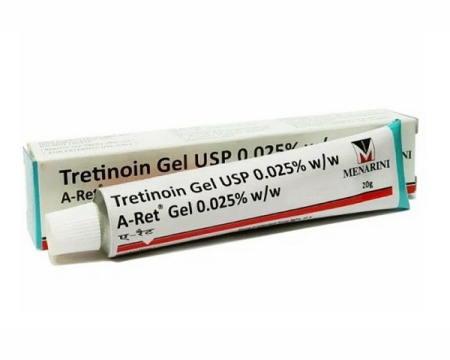
Tretinoin Gel 0.025% — lowest concentration, ideal for beginners: The recommended starting point for virtually all new tretinoin gel users regardless of their previous skincare experience. Even patients who have used OTC adapalene successfully should start tretinoin at 0.025% — the conversion from adapalene to tretinoin represents a meaningful step up in potency. At 0.025%, the gel is effective for mild-to-moderate comedonal acne and provides the gentlest introduction to tretinoin's retinoid dermatitis (adjustment period). Canadian dermatologists typically prescribe 0.025% gel for a minimum of 3 months before considering a concentration increase.
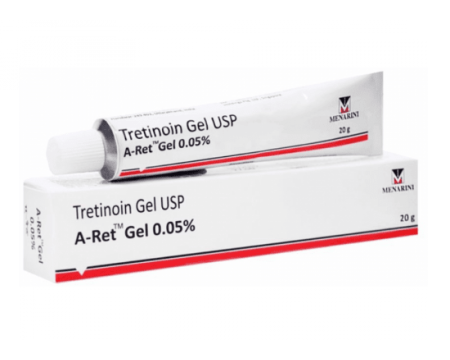
Tretinoin Gel 0.05% — the primary workhorse concentration: After successful tolerisation at 0.025% (typically 3 to 6 months of consistent use), most Canadian acne patients transition to 0.05% gel — providing meaningfully greater comedolytic and anti-inflammatory activity while remaining well-tolerated in patients who have completed the acclimatisation process. The 0.05% gel is the most commonly prescribed concentration for established tretinoin users with oily acne-prone skin in Canada. It is more effective for moderate-to-severe comedonal acne and for patients with early post-inflammatory hyperpigmentation.
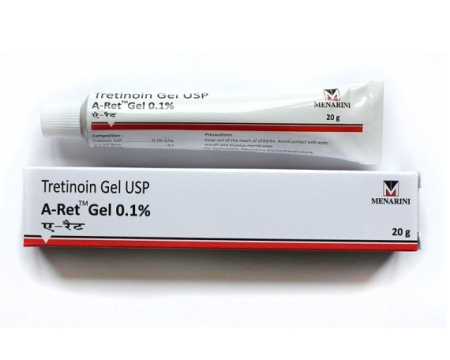
Tretinoin Gel 0.1% — maximum strength, highest efficacy: The 0.1% gel is the strongest tretinoin concentration available at drugs-canada.com — and notably, this concentration is available only in the gel formulation (not in the cream). This makes Tretinoin Gel 0.1% the appropriate choice for Canadian patients who need maximum retinoid potency — including those with severe or treatment-resistant comedonal acne, significant truncal acne (chest and back acne, where the thicker skin tolerates higher concentrations better), or patients under close dermatologist supervision seeking accelerated response. The 0.1% gel carries substantially greater irritation potential than lower concentrations — it is generally reserved for patients who have demonstrated tolerability at 0.05% or who are specifically directed to start at 0.1% by their Canadian dermatologist.
How Tretinoin Gel Works — Mechanism of Action
The active ingredient in Tretinoin Gel — all-trans-retinoic acid — is the biologically active form of Vitamin A. It works identically to the tretinoin in the cream formulation, through binding to nuclear retinoic acid receptors (RARα, RARβ, RARγ) in keratinocyte cell nuclei — directly regulating gene expression involved in skin cell differentiation, sebum production, and inflammation:
- Follicular keratinisation normalisation: The initiating event in all acne is abnormal keratinisation in the follicular infundibulum — skin cells fail to shed normally and form the microcomedo that precedes all visible acne lesions. Tretinoin corrects this keratinisation defect, preventing microcomedo formation and converting existing comedones to open lesions that can drain and resolve
- Comedolysis — clearing existing blockages: Tretinoin gel accelerates the turnover of follicular epithelial cells, loosening impacted comedone contents and facilitating their expulsion from the follicle. This is why a therapeutic "purge" — temporary worsening as existing microcomedones are expelled — is often seen in the first 4 to 8 weeks
- Reduction of Cutibacterium acnes colonisation: By normalising the follicular environment and reducing the supply of sebum (the primary C. acnes nutrient source), tretinoin indirectly reduces the bacterial populations that drive inflammatory acne — without contributing to antibiotic resistance
- Anti-inflammatory effects: Tretinoin modulates toll-like receptor signalling and reduces pro-inflammatory cytokine production in keratinocytes — directly addressing the inflammatory component of acne lesions
- Enhanced co-medication penetration: By thinning the stratum corneum and increasing follicular opening, tretinoin enhances the penetration and efficacy of other topical treatments applied at different times — particularly benzoyl peroxide (morning) and topical antibiotics
Complete Application Protocol for Tretinoin Gel
The fundamental rule: apply to completely dry skin. This is even more important with the gel formulation than with cream. The hydroalcoholic vehicle of the gel, applied to damp skin, can cause intense burning, stinging, and irritation that far exceeds the expected retinoid dermatitis. Always wait the full 20 to 30 minutes after cleansing before applying tretinoin gel.
- Apply only at night — never in the morning. Tretinoin is photodegraded by UV light and significantly increases photosensitivity. Evening-only application is mandatory
- Cleanse with a gentle, non-foaming cleanser. Gentle, non-drying cleansers (CeraVe Hydrating Cleanser, La Roche-Posay Toleriane Hydrating Gentle Cleanser) are ideal for tretinoin users even with oily skin — do not use salicylic acid, benzoyl peroxide, or alcohol-containing cleansers in the evening routine as these compound tretinoid irritation. Save the actives for the morning routine
- Wait 20 to 30 minutes for skin to dry completely. Set a timer. This is the most important step for minimising gel irritation
- Optional buffering technique for 0.05% and 0.1% gel: For higher-concentration gel users or those with sensitive areas, apply a thin layer of a lightweight, non-comedogenic moisturiser (e.g. CeraVe PM Facial Moisturising Lotion) 5 to 10 minutes before the gel. This slows gel penetration rate and significantly reduces irritation, particularly around the eye margins and nasolabial folds, without meaningfully reducing efficacy
- Apply a pea-sized amount of gel to the entire face. Dispense a pea-sized amount (smaller than for cream — the gel spreads more easily) onto a fingertip. Dot small amounts across forehead, both cheeks, nose, and chin, then spread gently using light strokes
- Avoid eyes, inner corners of nostrils, lip margins, and neck. Leave a 2 to 3mm margin. For truncal acne (chest, back), a larger amount can be applied but still use the "dry skin" principle — shower, dry completely, wait 20 minutes minimum, then apply
- Allow gel to absorb fully — typically 5 to 10 minutes faster than cream due to the volatile alcohol vehicle. Then apply a lightweight, non-comedogenic moisturiser if skin feels tight or dry
- Morning: SPF 30+ broad-spectrum sunscreen without exception. Mineral sunscreens (zinc oxide, titanium dioxide) are preferred on tretinoin-sensitised skin. Canadian UV levels are significant year-round — winter UV reflected off snow can be as intense as summer sun
Frequency schedule — critical for tolerability:
- Weeks 1–4: Every 2 to 3 nights (not nightly). 0.1% users should start every 3 nights
- Weeks 5–8: Every other night if well tolerated
- Weeks 9+: Nightly application — the goal for optimal clinical outcomes
- Canadian winter adjustment (November–March): Many Canadian gel users reduce to every other night or switch to cream during the harshest winter months when ambient air is extremely dry

Combining Tretinoin Gel with Other Canadian Acne Treatments
The gold-standard Canadian acne combination — tretinoin gel + benzoyl peroxide:
- Morning: Gentle cleanse → benzoyl peroxide 2.5–5% (PanOxyl, Benzac, or Spectro Jel BPO — widely available in Canadian pharmacies) → moisturiser → SPF 30+
- Evening: Gentle cleanse → wait 20–30 minutes → tretinoin gel → lightweight moisturiser if needed
Why this combination works and is recommended by Canadian dermatologists: Tretinoin addresses the comedonal (structural) cause of acne and normalises follicular keratinisation. Benzoyl peroxide kills C. acnes bacteria directly and prevents antibiotic resistance from developing. The two agents are not applied simultaneously — applying together degrades tretinoin through oxidation (benzoyl peroxide is an oxidising agent). The split morning/evening routine avoids this chemical incompatibility while delivering the benefits of both agents.
Topical antibiotics and tretinoin gel: Topical clindamycin (Clindoxyl, Dalacin T) or erythromycin, when prescribed by a Canadian dermatologist, are also best used in the morning with benzoyl peroxide (to prevent resistance) — and tretinoin gel continues to be applied at night. This creates a comprehensive three-component anti-acne routine addressing bacteria (clindamycin + BPO), inflammation (all three agents), and comedone prevention (tretinoin).
What NOT to combine with tretinoin gel in the same application:
- Benzoyl peroxide — degrades tretinoin (use morning vs evening split)
- Salicylic acid exfoliants — additive irritation; use morning only or on alternating days
- AHAs (glycolic acid, lactic acid) — additive irritation; use in the morning only
- Alcohol-containing toners — compound the drying effect of the gel vehicle
- Physical or chemical exfoliating scrubs — do not use on tretinoin nights
- Other retinoids — do not combine tretinoin with adapalene, retinol, or other retinoids simultaneously
Side Effects and the Retinoid Adjustment Period
Tretinoin gel tends to produce more pronounced initial retinoid dermatitis than the cream formulation — the alcohol in the gel vehicle adds an additional drying effect on top of the tretinoid activity itself. Canadian patients starting the gel should expect:
Very common (affecting virtually all gel users initially):
- Dryness and flaking — particularly at gel concentration points (forehead, jaw angles, nasolabial folds) where gel tends to collect. A lightweight, non-comedogenic moisturiser applied after the gel has absorbed is essential
- Redness and erythema — especially at higher concentrations (0.05% and 0.1%). Usually most pronounced in weeks 2 to 4 and diminishes progressively with continued use
- Tightness and discomfort — particularly in the first minutes after application when the alcohol is evaporating
- Photosensitivity — significant increase in UV sensitivity; mandatory SPF 30+ morning use
Common (affecting a significant proportion of gel users):
- Mild stinging or burning on application — more common with gel than cream; if severe, check that skin was completely dry before application and consider buffering technique
- Initial acne "purge" — temporary worsening as pre-existing microcomedones are expelled. Affects approximately 5–15% of patients in weeks 2 to 6; resolves and predicts good long-term response
- Crusting and peeling — normal with 0.05% and 0.1% gel; reduce frequency temporarily if severe
Gel-specific adjustment strategies for Canadian patients:
- If using 0.1% gel and experiencing severe irritation, step down to 0.05% for 4 weeks before re-attempting 0.1%
- During Canadian winters, consider switching temporarily to tretinoin cream 0.025% (from November to March) and returning to the gel concentration in spring — or maintain gel use but add a richer moisturiser to the routine
- Spot-test new gel strength on a small area (jaw or neck) for 3 to 5 nights before full-face application
Pregnancy and Breastfeeding
Tretinoin gel carries the same pregnancy considerations as tretinoin cream — Pregnancy Category C in Canada. While systemic absorption of topically applied tretinoin is very low (approximately 1–2% of applied dose), as a precaution:
- Avoid tretinoin gel during pregnancy — particularly the first trimester
- Consult your physician if tretinoin gel was used before a pregnancy was recognised
- Avoid applying to breast/chest areas during breastfeeding; consult physician before continuing
- Women planning pregnancy should discuss tretinoin discontinuation timing with their physician
Delivery to All Canadian Provinces and Territories
drugs-canada.com ships Tretinoin Gel discreetly to all Canadian provinces and territories. Standard delivery: 4–9 business days.
Ontario (Toronto, Ottawa, Hamilton, London, Brampton, Mississauga, Kitchener-Waterloo) — Quebec (Montreal, Quebec City, Laval, Gatineau, Sherbrooke) — British Columbia (Vancouver, Surrey, Burnaby, Victoria, Kelowna, Abbotsford) — Alberta (Calgary, Edmonton, Red Deer, Lethbridge) — Manitoba (Winnipeg, Brandon) — Saskatchewan (Saskatoon, Regina) — Nova Scotia (Halifax, Sydney) — New Brunswick (Moncton, Saint John, Fredericton) — Newfoundland and Labrador (St. John's, Corner Brook) — Prince Edward Island (Charlottetown) — Northwest Territories (Yellowknife) — Yukon (Whitehorse) — Nunavut (Iqaluit).
All orders are dispatched in plain, unmarked packaging with no reference to the contents or sender. Every order includes a tracking number.
Frequently Asked Questions — Tretinoin Gel in Canada
Why should I use tretinoin gel instead of tretinoin cream if I have oily acne-prone skin? The gel's hydroalcoholic vehicle penetrates oily skin surfaces significantly more effectively than the cream's emollient base, which can sit on top of the sebum film rather than reaching the follicular infundibulum where tretinoin needs to act. Additionally, the gel leaves a matte, non-greasy finish that is more comfortable for oily skin types, and the alcohol component provides some additional drying benefit. The gel's lighter vehicle is also less likely to contribute to pore congestion in acne-prone patients.
What is the difference between Tretinoin Gel 0.025%, 0.05%, and 0.1%? All three contain identical tretinoin (all-trans-retinoic acid) — the difference is concentration (potency). 0.025% is the gentlest starting point, recommended for all new tretinoin gel users. 0.05% provides greater clinical efficacy for moderate acne and is used after successful tolerisation at 0.025%. 0.1% is the maximum strength available in gel formulation — producing the strongest comedolytic and anti-inflammatory effect but also the highest irritation potential. The 0.1% gel is not available in the cream formulation, making it a unique option at this concentration.
Is Tretinoin Gel 0.1% safe to start with? Generally not recommended as a starting point for new tretinoin users. The 0.1% concentration carries significant irritation potential — the retinoid dermatitis (adjustment period) is typically more intense and prolonged. Canadian dermatologists typically build patients up through 0.025% and 0.05% before attempting 0.1%. Exceptions exist — patients with very oily or thick skin, those with severe and extensive comedonal acne, or those specifically directed by their dermatologist to start at 0.1%. Always follow your dermatologist's specific guidance on starting concentration.
Can I use tretinoin gel and adapalene (Differin) together? No — do not use two retinoids simultaneously on the same area. Both tretinoin and adapalene act through retinoid receptors, and combining them provides no additional benefit while significantly increasing irritation and the risk of retinoid dermatitis. Choose one retinoid. If you have been using OTC adapalene and want to transition to prescription tretinoin, simply switch — start tretinoin at 0.025% even if you have been successfully using adapalene 0.1%, as tretinoin is more potent.
Should I switch from gel to cream in Canadian winter? Many Canadian dermatologists recommend seasonal switching for patients in provinces with harsh winters (Ontario, Quebec, Manitoba, Saskatchewan, Alberta, the Prairies). During November through March, the combination of cold, dry outdoor air and dry indoor heating creates significantly more baseline skin dryness — which compounds tretinoid-induced dryness and can make the gel formulation uncomfortably irritating even for patients who tolerate it well in summer. Options include: switching to tretinoin cream at the same or one lower concentration for winter months; reducing gel application frequency (every other night vs nightly); or maintaining the gel but adding a significantly richer moisturiser to the evening routine.
How long does delivery to Canada take? Standard delivery to all Canadian provinces and territories takes 4 to 9 business days. All orders arrive in plain, unmarked packaging with no reference to the contents or sender. Every order includes a tracking number.
All information on this page is for general informational purposes only and does not constitute medical advice. Tretinoin gel is a Schedule F prescription medicine in Canada — always consult a qualified Canadian dermatologist or physician before starting tretinoin treatment. Avoid use during pregnancy — consult your physician if you are pregnant, planning a pregnancy, or breastfeeding.