


Medically reviewed by Dr. Sarah Mitchell, RPh, Clinical Pharmacist — Updated April 2026
What Is Tretinoin Cream? — Two Major Indications for Canadians
Tretinoin cream has two major, evidence-based indications that appeal to two distinct Canadian patient populations — and the cream formulation serves both better than the gel alternative due to its emollient vehicle:
How Tretinoin Cream Works — Complete Mechanism
Tretinoin (all-trans-retinoic acid) is the biologically active form of Vitamin A. Unlike OTC retinol products that require two-step enzymatic conversion in the skin (retinol → retinaldehyde → retinoic acid) with only approximately 5% conversion efficiency, tretinoin is already the final active molecule — it binds directly to nuclear retinoid receptors without requiring metabolic activation.
Nuclear receptor mechanism — RAR/RXR pathway: Tretinoin binds to retinoic acid receptors (RARα, RARβ, RARγ) located in keratinocyte cell nuclei. These receptors form heterodimers with retinoid X receptors (RXRs) and act as ligand-dependent transcription factors — regulating the expression of hundreds of genes involved in skin cell biology. This genomic mechanism produces the following cascade of effects:
Anti-acne mechanisms:
- Correction of follicular keratinisation: The initiating event in all acne is abnormal keratinisation in the follicular infundibulum — cells fail to shed normally and accumulate, forming the microcomedo. Tretinoin normalises keratinocyte differentiation and accelerates cell shedding, preventing microcomedo formation and converting existing comedones to open lesions that can be expelled
- Comedolysis: Tretinoin destabilises existing comedones — loosening the impacted cellular material within the follicle and facilitating expulsion of blackhead and whitehead content
- Enhanced penetration of co-applied agents: By thinning the stratum corneum and increasing follicular opening, tretinoin enhances the penetration of topical antibiotics and benzoyl peroxide applied concurrently — making combination regimens more effective than either agent alone
- Anti-inflammatory effects: Tretinoin modulates innate immune responses, reducing inflammatory cytokine production in the skin — addressing the inflammatory component of acne in addition to its comedolytic activity
Anti-ageing and photoageing mechanisms:
- Dermal collagen stimulation: Photoageing destroys and disorganises dermal collagen through UV-induced matrix metalloproteinase (MMP) activation. Tretinoin stimulates new collagen synthesis by dermal fibroblasts (Type I and Type III collagen), increasing dermal thickness and mechanical strength — producing visible reduction in fine lines and wrinkles over 6–12 months of consistent use. This is the only topical ingredient with robust RCT evidence for measurable collagen increase
- Epidermis normalisation: Photoageing causes irregular epidermal thickening (hyperkeratosis) and loss of normal differentiation. Tretinoin reverses epidermal atypia — normalising keratinocyte morphology, reducing dysplastic changes, and producing a more uniform, translucent epidermis that reflects light more evenly
- Melanocyte activity reduction: Solar lentigines (age spots) and irregular pigmentation are caused by focal accumulation of hyperactive melanocytes and excess melanin. Tretinoin disperses existing melanin granules, reduces tyrosinase activity (limiting new melanin production), and accelerates the shedding of heavily pigmented surface cells — producing progressive fading of brown spots and evening of skin tone
- Angiogenesis: Photoaged skin often appears sallow and dull from loss of superficial capillaries. Tretinoin stimulates new blood vessel formation in the papillary dermis — restoring the healthy pink-red background of younger skin
- Reversal of pre-cancerous changes: Tretinoin reverses actinic keratosis — pre-cancerous solar keratoses caused by cumulative UV exposure. This is an important preventive benefit for older Canadians with significant sun exposure history
Tretinoin Cream vs Retinol — The Critical Canadian Distinction
| Tretinoin Cream (Prescription) | Retinol (OTC — drugstore/cosmetic) | |
|---|---|---|
| Active molecule | All-trans-retinoic acid — already active | Retinol — must be converted to retinoic acid in skin |
| Conversion required | None — binds RAR directly | Two enzymatic steps; ~5% conversion efficiency to retinoic acid |
| Relative potency | Reference standard — 20× more potent than retinol | Approximately 20× less potent than tretinoin at equivalent concentration |
| Clinical evidence | 30+ years of Level 1 RCT evidence for acne and photoageing | Limited controlled trials; most evidence extrapolated from tretinoin data |
| Health Canada regulation | Schedule F — prescription required | OTC cosmetic/NHP — no prescription required |
| Irritation potential | Higher — more potent, requires skin acclimatisation | Lower — but also significantly less effective |
| Price in Canada | From $13.95/tube (20g) — lasts 2–3 months | $30–150+ for OTC retinol products (cosmetic) |
| Best for | Patients wanting clinically proven results for acne and/or photoageing | Patients unable to tolerate tretinoin irritation or without prescription access |
Concentrations — Which Strength Is Right for You?
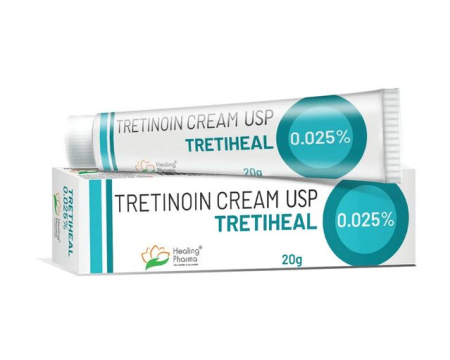
0.025% Tretinoin Cream — the right starting point for most Canadians: The 0.025% concentration is the recommended starting strength for virtually all first-time tretinoin users — regardless of whether the indication is acne or anti-ageing. Starting at the lowest effective concentration allows the skin to acclimatise to tretinoid activity, minimises the severity and duration of the retinoid dermatitis (adjustment period), and builds the patient's confidence and routine before progressing to a stronger concentration. Most Canadian dermatologists start all new tretinoin patients at 0.025% cream.
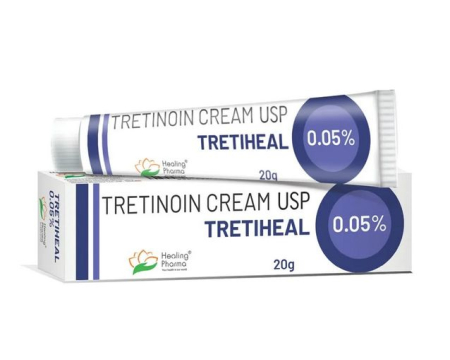
0.05% Tretinoin Cream — the workhorse concentration: After successful tolerisation at 0.025% (typically 3 to 6 months), most Canadian patients transition to 0.05% — the most commonly prescribed and used concentration for both acne and anti-ageing maintenance. The 0.05% concentration produces meaningfully greater clinical benefit than 0.025% while remaining tolerable for most patients who have completed the acclimatisation period.
0.1% Tretinoin Cream — maximum strength, specialist use: The highest available concentration produces the most rapid and pronounced clinical improvement but also the highest irritation potential. Canadian dermatologists typically prescribe 0.1% only for patients who have demonstrated tolerance at 0.05%, have persistent treatment-resistant acne, or are seeking maximum anti-ageing benefit under close dermatological supervision. Not available at drugs-canada.com in this current formulation — 0.025% and 0.05% are the concentrations stocked.
Cream vs Gel — why cream is preferred for anti-ageing and mature/dry skin: The cream formulation uses an emollient vehicle that provides some moisturising benefit in addition to delivering the active tretinoin. This makes cream the preferred formulation for anti-ageing use (where skin is typically normal-to-dry), for mature skin, and for Canadian patients in winter months when ambient air is extremely dry. The gel formulation (hydroalcoholic base) is preferred for oily, acne-prone skin types — see Tretinoin Gel for the gel option.
Step-by-Step Application Guide for Canadians
The Canadian Winter Consideration — critically important: Canada's cold, dry winters (November through March across Ontario, Quebec, Manitoba, Saskatchewan, Alberta, and the Prairies) create one of the most challenging environments for tretinoin use worldwide. The combination of cold outdoor air and dry indoor heating dramatically reduces skin hydration, making retinoid dermatitis significantly more pronounced than in milder climates. Canadian dermatologists recommend:
- Starting tretinoin in spring or summer if possible — when skin has greater baseline hydration
- Using a bedroom humidifier during winter months to maintain ambient humidity above 40%
- Applying a rich, non-comedogenic moisturiser (CeraVe Moisturising Cream in the tub, Vanicream, La Roche-Posay Toleriane Double Repair) twice daily during winter
- Reducing tretinoin application frequency to every 2–3 nights during particularly harsh winter periods rather than stopping entirely
Complete application protocol — step by step:
- Evening application only. Tretinoin is photolabile (degraded by UV light) and dramatically increases photosensitivity — always apply before bed, never in the morning
- Remove all makeup and cleanse with a gentle, non-foaming cleanser. CeraVe Hydrating Cleanser, La Roche-Posay Toleriane Hydrating Gentle Cleanser, or Cetaphil Gentle Skin Cleanser are all appropriate. Avoid foaming, salicylic acid-containing, or drying cleansers — they increase baseline irritation that tretinoin will compound
- Wait 20 to 30 minutes for skin to dry completely. Applying tretinoin to damp skin dramatically increases irritation because water disrupts the skin barrier and enhances tretinoin penetration beyond the therapeutic level. This "dry wait" period is non-optional for minimising irritation — especially important for beginners. Set a timer
- Apply a thin layer of a moisturiser first if using the "buffering" technique (recommended for sensitive skin or beginners): Apply a thin layer of moisturiser 5 to 10 minutes before the tretinoin. This "buffer" of emollient between the skin and tretinoin slows penetration rate and significantly reduces irritation without meaningfully reducing efficacy. The "dry skin sandwich" (moisturiser → tretinoin → moisturiser) is the most effective tolerance-building technique for Canadian tretinoin beginners
- Apply a pea-sized amount of tretinoin cream to the entire face. A pea-sized amount (approximately 0.25 to 0.5 mL) covers the entire face adequately. Using more does not improve results and increases irritation significantly. Dot small amounts on the forehead, both cheeks, chin, and nose — then spread gently with fingertips using light, even strokes
- Avoid eyes (orbicular area), nostrils, corners of mouth, and lips. The skin in these areas is thin, delicate mucosa-adjacent skin that is highly sensitive to tretinoin irritation. Leave a 2–3 mm margin from the eye margins and lip vermilion
- Allow tretinoin to absorb for 10 to 20 minutes, then apply your night moisturiser if needed (especially during Canadian winter months). Applying moisturiser over tretinoin helps lock in hydration and reduces next-morning flakiness
- Every morning without exception: apply SPF 30+ broad-spectrum sunscreen. Tretinoin causes significant photosensitivity — the newly-formed, rapidly turning-over skin cells are more vulnerable to UV damage than untreated skin. Sunscreen use is the single most important adjunct to tretinoin therapy. Choose a mineral (zinc oxide/titanium dioxide) or hybrid SPF — mineral formulations are less likely to cause irritation on tretinoid-sensitised skin. Canadian UV index is significant even in winter — reflected UV from snow can be as intense as summer sun
Frequency schedule for first-time users:
- Weeks 1–4: Apply every 2 to 3 nights (not nightly). This is the most important phase — allow skin to acclimatise without excessive irritation
- Weeks 5–8: Increase to every other night if week 1–4 was well tolerated
- Weeks 9+: Progress to nightly use if tolerated. This is the goal — nightly application produces the best clinical outcomes
- At 3–6 months: Consider increasing concentration from 0.025% to 0.05% if results have plateaued and skin tolerates the current concentration well

Clinical Evidence for Tretinoin Cream — What the Research Shows
Photoageing evidence — landmark studies:
- Weinstein et al. (JAMA, 1991) — 900-patient multicentre RCT: Tretinoin 0.1% cream vs vehicle over 48 weeks. Statistically significant improvements in fine wrinkling, mottled hyperpigmentation, roughness, sallowness, and overall photoageing grade in the tretinoin group. This landmark study established tretinoin as the evidence standard for topical anti-ageing therapy and has not been replicated by any OTC ingredient with comparable methodology or patient numbers
- Kligman et al. (Journal of Dermatology, 1986): The original demonstration that tretinoin reverses photoageing — the foundational paper that launched 35 years of retinoid anti-ageing research. Histological studies confirmed new collagen deposition, new angiogenesis, and epidermal normalisation
- Olsen et al. (Archives of Dermatology, 1992): Dose-response study confirming that 0.05% tretinoin produces significant improvement in photoageing measures compared to vehicle, with a more favourable tolerability profile than 0.1% — establishing 0.05% as the optimal everyday use concentration for most patients
- Long-term studies (48–96 weeks): Multiple studies demonstrate that tretinoin benefits continue to accumulate with years of consistent use — the anti-ageing effect is progressive and does not plateau at 6 months. Patients who used tretinoin consistently for 2 or more years showed greater collagen density increases and fine line reduction than those who used it for 6 months only
Acne evidence: Tretinoin has been the standard-of-care topical retinoid for acne for over 50 years, with an overwhelming body of evidence from hundreds of RCTs confirming its comedolytic and anti-inflammatory efficacy. The Canadian Dermatology Association acne guidelines consistently recommend topical retinoids (tretinoin or adapalene) as first-line and maintenance therapy for virtually all acne grades, combined with benzoyl peroxide.
Tretinoin Cream for Post-Inflammatory Hyperpigmentation (PIH) in Canada
Post-inflammatory hyperpigmentation (PIH) — the brown or reddish marks left after acne lesions resolve — is one of the most common and frustrating skin concerns in Canadian acne patients, particularly in patients with Fitzpatrick skin types III–VI (South Asian, East Asian, Middle Eastern, Black, and mixed-heritage Canadians) in whom PIH tends to be more pronounced and longer-lasting than in fair-skinned individuals.
Tretinoin cream addresses PIH through two complementary mechanisms: (1) accelerating keratinocyte turnover — shedding pigmented surface cells and replacing them with new, less pigmented cells; and (2) directly inhibiting melanocyte activity and dispersing melanin granules within keratinocytes. Multiple studies have demonstrated that tretinoin significantly accelerates PIH fading compared to untreated skin.
Optimal PIH protocol with tretinoin cream: Tretinoin is most effective for PIH when combined with:
- Azelaic acid 15–20% (treats PIH through tyrosinase inhibition — complementary mechanism to tretinoin; also available without prescription in Canada as Finacea gel for rosacea)
- Niacinamide 4–10% (reduces melanosome transfer from melanocytes to keratinocytes — available in many OTC Canadian serums)
- Diligent broad-spectrum SPF 30+ sunscreen daily — UV exposure dramatically slows PIH fading; sunscreen is mandatory for effective PIH treatment
- Hydroquinone 4% (available on prescription in Canada from dermatologists in combination formulations) for severe or resistant PIH
Side Effects and the Retinoid Dermatitis Period
Retinoid dermatitis — the expected adjustment period: The majority of Canadian patients starting tretinoin cream experience a period of skin adjustment characterised by some combination of: dryness and flaking, redness and erythema, tightness and discomfort, mild stinging or burning on application, and increased skin sensitivity. This is not an allergic reaction — it is the expected skin response to rapid cell turnover acceleration and is a sign that tretinoin is active and working.
The severity and duration of retinoid dermatitis varies significantly between individuals. Patients with baseline dry or sensitive skin, those starting in winter, and those who begin at nightly frequency immediately typically experience more pronounced adjustment reactions. Following the frequency schedule above (every 2–3 nights initially) and using the buffering/sandwich technique dramatically reduces adjustment severity for most Canadian patients.
Timeline of retinoid dermatitis and results:
- Weeks 1–4: Adjustment phase — dryness, flaking, redness most pronounced. Some patients experience purging (temporary worsening of acne as tretinoin brings pre-existing microcomedones to the surface). Persist through this phase — it predicts good response
- Weeks 5–8: Adjustment subsides. Skin begins to tolerate tretinoin better. First signs of improvement in acne (fewer new lesions) and initial textural improvements may be noticeable
- Weeks 8–12: Meaningful acne improvement visible for most patients. Skin tone beginning to even for PIH/anti-ageing users
- Months 3–6: Continued progressive improvement. Can consider increasing concentration if response has plateaued
- Months 6–12: Significant anti-ageing results visible for photoageing indication. Collagen remodelling is ongoing
- Year 2 and beyond: Anti-ageing benefits continue to accumulate with consistent use. Maintenance of acne clearance requires continued tretinoin application
Side effects to report to your dermatologist immediately:
- Severe blistering, crusting, or skin breakdown — indicates over-application or individual hypersensitivity; stop and seek dermatological review
- Marked oedema (swelling) of treated areas
- Allergic contact dermatitis — distinguished from retinoid dermatitis by sudden onset, marked urticaria/whealing, or symptoms that are dramatically disproportionate to expected irritation
Pregnancy and Breastfeeding — Important Safety Information
Tretinoin cream is classified as Pregnancy Category C in Canada — animal studies have shown teratogenic effects with systemic retinoids, and while systemic absorption of topically applied tretinoin is very low (approximately 1–2% of the applied dose), the potential risk during pregnancy has not been definitively excluded. Health Canada advises:
- Pregnancy: Avoid tretinoin cream during pregnancy — especially during the first trimester. Discuss with your physician if tretinoin was used before a pregnancy was recognised; risk from topical tretinoin appears to be very low, but specialist consultation is recommended
- Breastfeeding: It is not known whether topically applied tretinoin passes into breast milk in significant quantities. As a precaution, avoid applying tretinoin to breast/chest area during breastfeeding, and consult your physician before continuing tretinoin while breastfeeding
- Women planning pregnancy: Discuss tretinoin use with your physician when planning a pregnancy — some clinicians recommend discontinuing tretinoin 1–3 months before planned conception as a precaution
Delivery to All Canadian Provinces and Territories
drugs-canada.com ships Tretinoin Cream discreetly to all Canadian provinces and territories. Standard delivery: 4–9 business days.
Ontario (Toronto, Ottawa, Hamilton, London, Brampton, Mississauga, Kitchener-Waterloo) — Quebec (Montreal, Quebec City, Laval, Gatineau, Sherbrooke) — British Columbia (Vancouver, Surrey, Burnaby, Victoria, Kelowna, Abbotsford) — Alberta (Calgary, Edmonton, Red Deer, Lethbridge) — Manitoba (Winnipeg, Brandon) — Saskatchewan (Saskatoon, Regina) — Nova Scotia (Halifax, Sydney) — New Brunswick (Moncton, Saint John, Fredericton) — Newfoundland and Labrador (St. John's, Corner Brook) — Prince Edward Island (Charlottetown) — Northwest Territories (Yellowknife) — Yukon (Whitehorse) — Nunavut (Iqaluit).
All orders are dispatched in plain, unmarked packaging with no reference to the contents or sender. Every order includes a tracking number.
Frequently Asked Questions — Tretinoin Cream in Canada
How is tretinoin cream different from retinol products I can buy at Shoppers Drug Mart or Sephora? Tretinoin (prescription) and retinol (OTC) are both vitamin A derivatives, but tretinoin is already the biologically active molecule — it binds directly to nuclear retinoid receptors without requiring enzymatic conversion. Retinol must be converted by the skin through two enzymatic steps to become retinoic acid, with only about 5% conversion efficiency. This makes prescription tretinoin approximately 20 times more potent than retinol at equivalent concentrations. No OTC retinol product has been demonstrated in controlled trials to produce results comparable to prescription tretinoin for either acne or photoageing — the clinical evidence gap is substantial.
How long does tretinoin cream take to work for anti-ageing in Canada? Anti-ageing results with tretinoin require patience — this is a treatment that produces progressive improvement over months, not overnight transformation. Most Canadian patients notice the first textural improvements at 8 to 12 weeks. Meaningful improvement in fine lines, pigmentation, and skin tone typically becomes visible at 6 months. The most significant anti-ageing results — dermal collagen remodelling, substantial reduction of deeper lines, significant pigmentation improvement — develop over 12 months and beyond with consistent nightly use. Results continue to improve with years of continued use.
Should I use tretinoin cream or tretinoin gel? The choice depends primarily on your skin type. Tretinoin cream's emollient vehicle is preferred for normal, dry, or mature skin types, for anti-ageing use, and for Canadian patients during winter months when ambient air is very dry. Tretinoin gel's hydroalcoholic base is preferred for oily or combination skin prone to acne, as it is less likely to feel heavy or contribute to clogged pores. Both contain the same active ingredient (tretinoin) and produce the same clinical results — the vehicle is the difference. See Tretinoin Gel if you have oily skin.
What is the "sandwich" technique and should I use it? The "dry skin sandwich" is a technique developed to reduce tretinoin irritation, particularly during the acclimatisation period. After cleansing and waiting 20–30 minutes for skin to dry completely, you apply a thin layer of moisturiser, wait 5–10 minutes, apply the pea-sized amount of tretinoin, then apply another layer of moisturiser on top. The moisturiser layers slow tretinoin's penetration rate — reducing irritation without eliminating efficacy. This technique is particularly recommended for beginners, for sensitive-skinned Canadians, and during winter months. After 3–6 months of tolerisation, many patients can transition to applying tretinoin directly without the buffer.
Can I use benzoyl peroxide with tretinoin cream? Tretinoin and benzoyl peroxide should not be applied simultaneously to the skin — benzoyl peroxide oxidises tretinoin and degrades it, reducing its efficacy. However, they can be used in a split routine: benzoyl peroxide in the morning (after cleansing) and tretinoin at night. This combination is the most evidence-based topical acne regimen available in Canada — tretinoin addresses comedonal and keratinisation aspects while benzoyl peroxide kills C. acnes bacteria. Canadian dermatologists almost universally recommend this split-routine combination for acne treatment.
How long does delivery to Canada take? Standard delivery to all Canadian provinces and territories takes 4 to 9 business days. All orders arrive in plain, unmarked packaging with no reference to the contents or sender. Every order includes a tracking number.
All information on this page is for general informational purposes only and does not constitute medical advice. Tretinoin cream is a Schedule F prescription medicine in Canada — always consult a qualified Canadian dermatologist or physician before starting tretinoin treatment. Avoid use during pregnancy — consult your physician if you are pregnant, planning a pregnancy, or breastfeeding.