


Medically reviewed by Dr. Sarah Mitchell, RPh, Clinical Pharmacist — Updated April 2026
What Is Ivermectin (Stromectol)? — Complete Mechanism of Action
Ivermectin belongs to the avermectin class — macrocyclic lactone compounds derived from the soil bacterium Streptomyces avermitilis, first isolated by Satoshi Ōmura at the Kitasato Institute in Japan and developed into an antiparasitic agent by William Campbell at Merck Research Laboratories.
Primary mechanism — glutamate-gated chloride channel binding: Ivermectin's antiparasitic activity is mediated primarily through selective, high-affinity binding to glutamate-gated chloride ion channels (GluCl channels) found in the nerve and muscle cells of invertebrates — including nematodes (roundworms) and arthropods (insects, arachnids including mites). These glutamate-gated chloride channels are absent in mammals, making ivermectin selectively toxic to parasites with an exceptionally wide safety margin in humans.
The mechanism in detail:
- Ivermectin binds to the GluCl channel in a distinct allosteric site, potentiating the channel's response to glutamate — dramatically increasing chloride ion conductance into the cell
- The resulting hyperpolarisation of the nerve and muscle cell membrane prevents normal electrical signalling — producing flaccid paralysis of the parasite
- The paralysed parasite loses the ability to feed, reproduce, and evade host immune responses
- Paralysis is followed by death of the parasite, with subsequent clearance by the host immune system
Secondary mechanism — GABA-mediated potentiation: Ivermectin also potentiates gamma-aminobutyric acid (GABA)-gated chloride channels in invertebrate nerve terminals — further enhancing inhibitory neurotransmission and contributing to the paralytic effect. This GABA mechanism is relevant at the blood-brain barrier (BBB) where ivermectin's access is limited by P-glycoprotein efflux pumps — explaining why ivermectin does not significantly affect the mammalian CNS at therapeutic doses (unlike in P-glycoprotein-deficient breeds such as Collies where ivermectin neurotoxicity can occur).
Why ivermectin is safe for humans at antiparasitic doses:
- GluCl channels are absent in mammals — the primary mechanism of toxicity in parasites does not exist in human cells
- P-glycoprotein at the human blood-brain barrier actively pumps ivermectin out of the CNS — preventing CNS exposure at standard antiparasitic doses
- The extraordinary therapeutic index (ratio of toxic to therapeutic dose) makes ivermectin one of the safest antiparasitic medications ever developed for human use
Health Canada-Approved Indications for Ivermectin in Canada
1. Scabies (Sarcoptes scabiei infestation) — the primary Canadian indication
Scabies is a highly contagious skin infestation caused by the microscopic mite Sarcoptes scabiei var. hominis — which burrows into the stratum corneum of human skin, laying eggs and provoking an intense delayed-type hypersensitivity immune response that produces the characteristic intense nocturnal itch, burrow tracks, and papulovesicular rash. In Canada, scabies has particular public health significance in three settings:
- Long-term care facilities (LTCFs): Scabies outbreaks in Canadian nursing homes and long-term care facilities are a recurring public health challenge — the close physical contact involved in personal care, the difficulty in treating residents with cognitive impairment, and the high density of susceptible individuals in shared facilities create conditions for sustained institutional outbreaks. Provincial public health units across Ontario, Quebec, British Columbia, and Alberta regularly manage LTCF scabies outbreaks. Oral ivermectin is essential for LTCF outbreak control — simultaneous mass treatment of all residents and staff with oral ivermectin (combined with topical permethrin for individual cases) is the evidence-based outbreak management strategy recommended by the Public Health Agency of Canada (PHAC) and provincial health authorities
- First Nations and Indigenous communities: Scabies outbreaks disproportionately affect some First Nations communities in Canada — particularly in northern and remote communities with housing density issues. PHAC and Health Canada's First Nations and Inuit Health Branch (FNIHB) guidelines include oral ivermectin for outbreak management in these settings
- Correctional institutions: Scabies outbreaks in Canadian correctional facilities (federal and provincial) are managed through outbreak protocols that include ivermectin
Typical scabies (non-crusted) treatment with ivermectin:
- Standard dose: 200 mcg/kg body weight as a single oral dose
- A second dose at day 14 is recommended for optimal efficacy — the first dose kills adult mites but not eggs; the second dose (timed after egg hatching) eliminates newly hatched mites before they can reproduce
- Topical permethrin 5% cream remains the first-line standard of care for individual typical scabies cases in Canadian clinical practice; oral ivermectin is an evidence-based alternative for permethrin failures, patients unable to apply topical treatment, and outbreak settings
- All household contacts and close physical contacts must be treated simultaneously — even if asymptomatic — to prevent reinfection cycles
2. Crusted (Norwegian) Scabies — the most important indication for oral ivermectin
Crusted scabies is a severe hyperinfestational form of scabies occurring primarily in immunocompromised individuals (organ transplant recipients on immunosuppression, HIV/AIDS patients, those on high-dose corticosteroids, elderly patients with cognitive impairment). While typical scabies involves 10 to 15 mites per host, crusted scabies involves thousands to millions of mites — producing thick hyperkeratotic crusts on the skin that are massively infectious and extremely difficult to eradicate with topical treatment alone.
Crusted scabies requires combination treatment with multiple doses of oral ivermectin plus keratolytic agents and topical permethrin. Health Canada and Canadian dermatology guidelines recommend ivermectin-based combination regimens for crusted scabies — topical therapy alone is almost universally insufficient. Typical protocols involve 3 to 5 doses of ivermectin (200 mcg/kg) on alternating days combined with daily topical permethrin application and weekly keratolytic treatment. Specialist dermatology or infectious disease consultation is essential for crusted scabies management in Canada.
3. Intestinal Strongyloidiasis (Strongyloides stercoralis infection)
Strongyloides stercoralis is a soil-transmitted intestinal nematode that causes strongyloidiasis — a parasitic infection of particular clinical importance due to its unique ability to autoinfect (perpetuate itself indefinitely within a human host without re-exposure) and cause potentially fatal hyperinfection syndrome in immunocompromised patients. Unlike most intestinal parasites that are cleared within months to years without reinfection, strongyloides can persist in the human intestine for decades after the initial infection.
Why strongyloidiasis is clinically critical for Canadian immunocompromised patients: In immunocompromised individuals (organ transplant recipients, those starting high-dose corticosteroids, patients beginning cancer chemotherapy, HIV patients), Strongyloides autoinfection can rapidly amplify into the Strongyloides hyperinfection syndrome or disseminated strongyloidiasis — where massive numbers of filariform larvae penetrate the intestinal wall carrying enteric bacteria into the bloodstream, causing Gram-negative bacteraemia, meningitis, and overwhelming systemic infection with mortality rates exceeding 80% in untreated disseminated disease.
This makes Strongyloides screening mandatory before immunosuppression in Canadian clinical practice for patients from or who have lived in endemic regions. Strongyloides is endemic throughout tropical and subtropical regions, much of Southeast Asia, sub-Saharan Africa, Latin America, and parts of Southern and Eastern Europe — all regions from which significant numbers of Canadian immigrants originate. Canadian transplant centres, oncology departments, and HIV clinics routinely screen at-risk patients.
Treatment of strongyloidiasis with ivermectin:
- Standard treatment: ivermectin 200 mcg/kg once daily for 2 consecutive days
- Hyperinfection syndrome / disseminated strongyloidiasis: ivermectin 200 mcg/kg daily for a minimum of 2 weeks (or until stool examinations are negative on two consecutive evaluations) — in-hospital treatment with specialist supervision (infectious disease or tropical medicine)
- Test of cure: stool examination for Strongyloides at 2 to 4 weeks post-treatment to confirm eradication
- Ivermectin is the treatment of choice for strongyloidiasis in Canada — superior efficacy compared to albendazole (the alternative)
4. Onchocerciasis (River Blindness)
Onchocerciasis is caused by the filarial worm Onchocerca volvulus, transmitted by blackfly bites in sub-Saharan Africa and parts of Latin America. It is the world's second leading infectious cause of blindness. Ivermectin's discovery and widespread use in WHO-led mass drug administration programs has transformed onchocerciasis from a major blinding disease to one approaching elimination in many endemic regions — one of the most remarkable public health achievements in modern history and the basis for the 2015 Nobel Prize.
In Canada, onchocerciasis is rare — seen primarily in immigrants from West African endemic countries (Ghana, Cameroon, Nigeria, DRC). Treatment: ivermectin 150 mcg/kg once, repeated every 6 to 12 months (does not kill adult worms but suppresses microfilariae responsible for symptoms and transmission).
5. Loiasis (African Eye Worm)
Loiasis is caused by Loa loa filarial worm — rarely seen in Canada except in immigrants from Central/West Africa. Treatment must be approached with extreme caution in patients with high microfilarial loads — ivermectin at standard doses can precipitate encephalopathy in patients with very high Loa loa microfilaraemia. Specialist tropical medicine consultation essential.
6. Head Lice (Pediculosis capitis) — Permethrin-Resistant Cases
Permethrin-resistant head lice are a growing problem in Canadian schools — resistance to pyrethroid insecticides (the active ingredient in OTC lice treatments like Nix) has been documented across multiple Canadian provinces. Topical ivermectin lotion 0.5% (Sklice — not the same as oral Stromectol tablets) is an option for permethrin-resistant head lice. Oral ivermectin (200 mcg/kg, repeated at day 10) can also be used for resistant cases under physician guidance.
COVID-19 — Not Recommended (Evidence Summary)
Ivermectin does not have a Health Canada approval or evidence-based recommendation for COVID-19. The largest and most rigorously conducted randomised controlled trials of ivermectin for COVID-19 have consistently found no benefit:
- TOGETHER trial (Brazil, 1,358 patients): no reduction in hospitalisation or emergency visits vs placebo
- ACTIV-6 trial (NIH, USA, 1,591 patients): no improvement in symptom resolution vs placebo
- PRINCIPLE trial (UK, 2,157 patients): no benefit in time to recovery vs usual care
- WHO Solidarity PLUS trial (multinational, 3,515 patients): no reduction in mortality or need for ventilation vs placebo
Early positive signals from smaller trials were substantially due to methodological limitations — including outright data fraud in at least one high-profile study (Elgazzar et al., which was retracted). Health Canada, the WHO, the Public Health Agency of Canada, and all major infectious disease and pharmacological organisations in Canada do not recommend ivermectin for COVID-19 treatment or prevention.

Canadian Dosing Guide — Weight-Based Dosing
All ivermectin dosing is weight-based — administered as a single dose or short course depending on the indication. The standard dosing table for Canadian patients:
| Indication | Dose | Frequency | Notes |
|---|---|---|---|
| Typical scabies | 200 mcg/kg | Single dose; repeat at Day 14 | Combine with household contact treatment; launder bedding/clothing |
| Crusted scabies | 200 mcg/kg | Days 1, 2, 8, 9, 15 (5 doses) + topical permethrin daily | Specialist supervision required; keratolytics needed |
| Strongyloidiasis (uncomplicated) | 200 mcg/kg | Once daily × 2 consecutive days | Test of cure stool exam at 2–4 weeks |
| Strongyloidiasis (hyperinfection) | 200 mcg/kg | Daily until 2 consecutive negative stool exams | Hospital management; infectious disease specialist |
| Onchocerciasis | 150 mcg/kg | Once; repeat every 6–12 months | Does not kill adult worms; suppresses microfilariae |
| Head lice (resistant) | 200 mcg/kg | Once; repeat at Day 10 | Topical ivermectin lotion preferred for lice; oral for resistant cases |
How to take ivermectin tablets:
- Take on an empty stomach — at least 1 to 2 hours before a meal, or 2 hours after eating. Food — particularly high-fat meals — significantly increases ivermectin absorption (by up to 2.5 times), potentially increasing both efficacy and adverse effect risk in a way that is not precisely calibrated in dose-finding studies. The standard weight-based doses assume fasted administration
- Swallow tablets whole with a full glass of water
- Do not crush or chew (tablets are film-coated)
- Store at room temperature, away from moisture and heat
Side Effects — Complete Canadian Guide
Common — particularly in onchocerciasis treatment (Mazzotti reaction):
In patients with onchocerciasis treated with ivermectin, the rapid killing of microfilariae provokes an inflammatory response known as the Mazzotti reaction — a constellation of symptoms including fever, pruritus (intense itching), rash, swollen and tender lymph nodes, joint and muscle pain, hypotension, and tachycardia. The Mazzotti reaction typically occurs within 24 to 48 hours of the first ivermectin dose, resolves within 2 to 5 days, and is generally managed with analgesics and antihistamines. It is not an allergic reaction to ivermectin itself but a reaction to dying parasites.
Common — for scabies and strongyloidiasis treatment:
- Dizziness and lightheadedness: Common, particularly in the first few hours after the dose. Avoid driving or operating machinery on the day of dosing. Usually self-limiting within several hours
- Nausea: Mild to moderate — taking on an empty stomach as recommended; any nausea is usually brief
- Abdominal cramps or diarrhoea: May occur — more common in patients with high parasite burdens (particularly strongyloidiasis), where massive larval death produces GI symptoms
- Headache: Common and usually mild
- Fatigue: Generally mild and self-limiting
- Worsening of scabies itch in the first 1 to 2 weeks after treatment: Important counselling point — after ivermectin treatment for scabies, the itch often worsens temporarily before improving. This is a normal post-treatment reaction driven by the immune response to dead mites still in the skin — it does not indicate treatment failure. The itch typically resolves over 2 to 4 weeks as dead mites and their products are cleared from the skin. Antihistamines (cetirizine, loratadine) and low-potency topical corticosteroids help manage post-treatment itch
Rare but serious:
- Neurological effects (at standard doses — very rare in normal patients): Confusion, ataxia, altered consciousness — extremely rare at standard therapeutic doses in patients with normal P-glycoprotein function and no disrupted blood-brain barrier. CNS toxicity risk is substantially higher in patients with Loa loa hyperinfection (see below), in neonates/infants (immature BBB), and theoretically in patients taking P-glycoprotein inhibitors
- Loa loa encephalopathy — critical safety concern for West/Central African patients: In patients with very high Loa loa microfilaraemia (>8,000 microfilariae/mL blood), ivermectin treatment can trigger encephalopathy and death — due to massive rapid microfilarial killing and inflammatory response in the brain. Canadian physicians must assess Loa loa co-infection risk before prescribing ivermectin to patients from endemic areas (Central and West Africa). If Loa loa co-infection is possible, Loa loa microfilaraemia must be quantified before ivermectin treatment, with standard precautions for counts above 30,000/mL
- Severe allergic reactions: Urticaria, angioedema, anaphylaxis — rare but possible; seek emergency care immediately if signs of severe allergic reaction develop
- Hepatotoxicity: Rare elevation of liver enzymes — usually clinically insignificant; more relevant in repeated high-dose use
Key Drug Interactions and Contraindications
- Warfarin: Ivermectin potentiates the anticoagulant effect of warfarin — INR may increase significantly. Canadian patients on warfarin should have INR monitored closely after ivermectin treatment. Dose adjustment may be necessary
- P-glycoprotein inhibitors (ciclosporin, ritonavir, ketoconazole, clarithromycin): P-glycoprotein inhibitors reduce the efflux of ivermectin from the CNS, potentially increasing CNS exposure and neurological adverse effect risk. Use with caution or avoid combination
- GABA-enhancing CNS depressants (benzodiazepines, barbiturates, alcohol): Theoretical additive CNS depressant effects — avoid alcohol on the day of ivermectin dosing; use caution with benzodiazepines
- Pregnancy: Ivermectin is Category C in pregnancy — not recommended for routine use in pregnant women. The risk-benefit ratio depends on the specific indication. For scabies in pregnancy, topical permethrin is strongly preferred. For strongyloidiasis hyperinfection syndrome threatening maternal life, ivermectin may be used with specialist guidance. Consult an obstetrician or maternal-fetal medicine specialist before use
- Breastfeeding: Ivermectin is excreted in breast milk in small amounts. Withholding breastfeeding for 72 hours post-dose is sometimes recommended, though the clinical significance at standard antiparasitic doses is uncertain
- Children under 15kg body weight: Ivermectin is not recommended for children weighing less than 15 kg — insufficient safety data; weight-based dosing precision is essential
Delivery to All Canadian Provinces and Territories
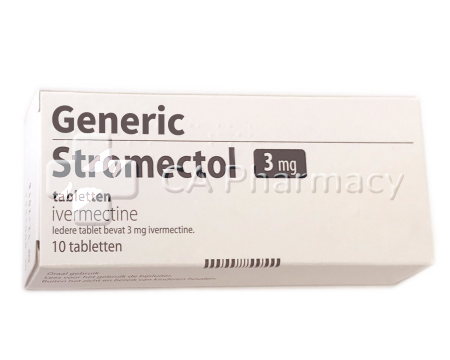
drugs-canada.com ships Stromectol Generic discreetly to all Canadian provinces and territories. Standard delivery: 4–9 business days.
Ontario (Toronto, Ottawa, Hamilton, London, Brampton, Mississauga, Kitchener-Waterloo) — Quebec (Montreal, Quebec City, Laval, Gatineau, Sherbrooke) — British Columbia (Vancouver, Surrey, Burnaby, Victoria, Kelowna, Abbotsford) — Alberta (Calgary, Edmonton, Red Deer, Lethbridge) — Manitoba (Winnipeg, Brandon) — Saskatchewan (Saskatoon, Regina) — Nova Scotia (Halifax, Sydney) — New Brunswick (Moncton, Saint John, Fredericton) — Newfoundland and Labrador (St. John's, Corner Brook) — Prince Edward Island (Charlottetown) — Northwest Territories (Yellowknife) — Yukon (Whitehorse) — Nunavut (Iqaluit).
All orders are dispatched in plain, unmarked packaging with no reference to the contents or sender. Every order includes a tracking number.
Frequently Asked Questions — Stromectol (Ivermectin) in Canada
Is ivermectin (Stromectol) effective for COVID-19 in Canada? No — Health Canada, the WHO, and the Public Health Agency of Canada do not recommend ivermectin for COVID-19 treatment or prevention. Multiple large, rigorous randomised controlled trials — including TOGETHER (Brazil), ACTIV-6 (NIH), PRINCIPLE (UK), and WHO Solidarity PLUS — found no clinical benefit. Stromectol at drugs-canada.com is sold exclusively for its established antiparasitic indications: scabies, strongyloidiasis, onchocerciasis, and related parasitic conditions.
Why is my scabies still itching after ivermectin treatment? Post-treatment itch is normal and expected after successful ivermectin treatment for scabies — it does not mean the treatment failed. After ivermectin kills the scabies mites, the dead mites and their eggs and faeces remain in the skin and continue to provoke an immune-mediated itch reaction for 2 to 4 weeks after treatment. This itch typically resolves completely as the skin turns over and clears the dead parasite material. Antihistamines (cetirizine/Reactine, loratadine/Claritin) and mild topical corticosteroids help manage post-treatment itch. If the itch is worsening after 4 weeks or new burrows are appearing, see your physician — this may indicate treatment failure or reinfestation requiring a repeat course.
Should I be screened for Strongyloides before starting immunosuppressive therapy in Canada? Yes — Canadian guidelines from transplant centres, oncology departments, and rheumatology practices recommend Strongyloides screening (Strongyloides IgG ELISA serology — available at most Canadian hospital laboratories) before starting immunosuppressive therapy for patients from or who have lived in endemic regions (tropical and subtropical countries, including parts of Southeast Asia, Latin America, and sub-Saharan Africa). If screening is positive, a 2-day course of ivermectin should be completed before immunosuppression begins. This is one of the most important parasitological safety measures in Canadian transplant and oncology medicine.
What is the difference between 3mg, 6mg, and 12mg ivermectin tablets? All three tablet strengths contain the same active ingredient (ivermectin) — the different strengths allow weight-based dosing to be achieved without requiring patients to cut or adjust tablets. The 200 mcg/kg standard dose means a 75 kg adult requires approximately 15 mg total — achievable with 5 × 3mg tablets, 2.5 × 6mg tablets, or 1.25 × 12mg tablets. Your Canadian physician or pharmacist will specify the exact number of tablets for your weight. Using 12mg tablets reduces the number of tablets required and may improve compliance for patients who find swallowing multiple tablets difficult.
How long does delivery to Canada take? Standard delivery to all Canadian provinces and territories takes 4 to 9 business days. All orders arrive in plain, unmarked packaging with no reference to the contents or sender. Every order includes a tracking number.
All information on this page is for general informational purposes only and does not constitute medical advice. Stromectol Generic (Ivermectin) is a Schedule F prescription medicine in Canada — a valid prescription from a licensed Canadian healthcare provider is required. Ivermectin is not recommended for COVID-19 treatment by Health Canada or the WHO. For strongyloidiasis hyperinfection or Loa loa co-infection, specialist infectious disease or tropical medicine consultation is essential before treatment. Always consult a qualified Canadian physician before starting any antiparasitic medication.