
Aralen, Olumiant, Stromectol and Zithromax
Medically reviewed by Dr. Sarah Mitchell, RPh, Clinical Pharmacist — Updated April 2026
Important medical notice: This category contains four medications that were studied or discussed in the context of COVID-19 during the pandemic. It is essential for Canadian patients to understand the current evidence-based status of each product: Olumiant (Baricitinib) is the only medication in this category with Health Canada and international regulatory approval specifically for COVID-19 treatment — and only for hospitalised patients requiring supplemental oxygen or mechanical ventilation. Aralen (Chloroquine), Stromectol (Ivermectin), and Zithromax (Azithromycin) do not have Health Canada approval or robust clinical trial evidence supporting use for COVID-19 treatment. These three medications are sold for their established, evidence-based indications described below. Always consult a qualified Canadian physician before starting any of these medications.
Products in This Category — Quick Reference
| Product | Active Ingredient | Established Indications | COVID-19 Evidence | From |
|---|---|---|---|---|
| Aralen Generic | Chloroquine phosphate | Malaria treatment & prophylaxis; rheumatoid arthritis; lupus erythematosus | No evidence of benefit — multiple large RCTs (RECOVERY, WHO Solidarity) found no benefit; not recommended by Health Canada or WHO for COVID-19 | $0.80/pill |
| Olumiant Generic | Baricitinib | Rheumatoid arthritis; atopic dermatitis; alopecia areata; hospitalised COVID-19 requiring O₂/ventilation | Approved — hospitalised patients only (Health Canada, FDA EUA). Not for outpatient/mild COVID-19 | $2.82/pill |
| Stromectol Generic | Ivermectin | Scabies; strongyloidiasis; onchocerciasis (river blindness); head lice | No evidence of benefit — Health Canada, WHO, and major regulatory bodies advise against use for COVID-19; not approved for this indication | $1.37/pill |
| Zithromax Generic | Azithromycin | Community-acquired pneumonia; sinusitis; skin and soft tissue infections; sexually transmitted infections (chlamydia, gonorrhoea); COPD exacerbations | No evidence of benefit as COVID-19 monotherapy — RECOVERY and COALITION trials found no benefit; not recommended for COVID-19 | $1.09/pill |
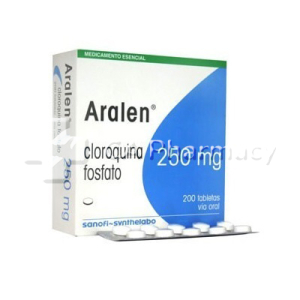
Aralen Generic (Chloroquine) — Malaria & Rheumatology
Aralen Generic (Chloroquine phosphate) is an antimalarial and antirheumatic medication with over 70 years of clinical use. Its established Health Canada-approved indications are malaria treatment and prophylaxis, rheumatoid arthritis (as a disease-modifying antirheumatic drug, DMARD), and discoid and systemic lupus erythematosus.
Mechanism of action: In malaria, chloroquine accumulates in the acidic food vacuole of the Plasmodium parasite, inhibiting the polymerisation of haemoglobin breakdown products (haem) into non-toxic haemozoin — causing toxic haem accumulation that kills the parasite. In autoimmune conditions (rheumatoid arthritis, lupus), chloroquine's anti-inflammatory mechanisms include interference with antigen presentation, inhibition of lysosomal enzyme release, and reduction of pro-inflammatory cytokine production.
Malaria prophylaxis for Canadian travellers: Chloroquine remains effective prophylaxis for travel to malaria-endemic regions where Plasmodium vivax and chloroquine-sensitive P. falciparum predominate — Central America (Mexico, Guatemala, Honduras), Haiti, parts of the Middle East, and some areas of South Asia. Canadian travellers to sub-Saharan Africa and Southeast Asia (where chloroquine-resistant P. falciparum is prevalent) require alternative prophylaxis (atovaquone-proguanil/Malarone, mefloquine, or doxycycline). Always consult a Canadian travel medicine clinic before departure for personalised malaria prophylaxis advice.
Rheumatology use in Canada: Chloroquine (and the closely related hydroxychloroquine/Plaquenil) are widely used in Canadian rheumatology practice as first-line or combination DMARDs for rheumatoid arthritis and lupus. They reduce joint inflammation and protect against lupus organ damage, particularly in lupus nephritis prevention.
COVID-19 evidence — why chloroquine is not recommended: Early pandemic enthusiasm for chloroquine based on in vitro (cell culture) activity against SARS-CoV-2 was not confirmed in clinical trials. The WHO Solidarity Trial, the UK RECOVERY Trial, and multiple other large randomised controlled trials found that chloroquine and hydroxychloroquine did not reduce mortality, time to clinical improvement, or hospital length of stay in COVID-19 patients. Health Canada, the WHO, and major infectious disease organisations do not recommend chloroquine or hydroxychloroquine for COVID-19 treatment.

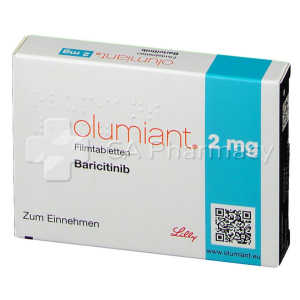
Olumiant Generic (Baricitinib) — Rheumatology & Hospitalised COVID-19
Olumiant Generic (Baricitinib) is a Janus kinase (JAK) inhibitor — a targeted synthetic DMARD with both established rheumatology indications and a specific, evidence-backed role in hospitalised COVID-19 management. Baricitinib is the only medication in this category with genuine regulatory approval for a COVID-19 indication in Canada.
Mechanism of action: Baricitinib selectively inhibits JAK1 and JAK2 — intracellular signalling kinases that mediate the downstream effects of multiple pro-inflammatory cytokines including IL-6, IL-2, IFN-γ, and GM-CSF. In rheumatoid arthritis, JAK inhibition reduces joint inflammation and slows radiographic progression. In severe COVID-19, the hyperinflammatory cytokine storm (elevated IL-6, TNF-α, IFN-γ) drives the organ damage that causes severe disease and death — baricitinib's JAK inhibition dampens this pathological inflammatory cascade.
Health Canada-approved indications:
- Rheumatoid arthritis (RA): Moderate to severe active RA inadequately controlled with methotrexate or other DMARDs. Used as monotherapy or in combination with methotrexate. Reduces signs and symptoms, improves physical function, and inhibits radiographic joint damage progression
- Atopic dermatitis (eczema): Moderate-to-severe atopic dermatitis in adults and adolescents (12 years and older) inadequately controlled with topical therapies. Baricitinib 4mg/day significantly reduces itch and skin inflammation scores in clinical trials
- Alopecia areata: Severe alopecia areata in adults — baricitinib has shown significant hair regrowth in randomised trials and received approval for this indication in Canada and internationally
- COVID-19 (hospitalised patients) — the specific COVID-19 indication: Health Canada and the FDA (Emergency Use Authorization) have approved/authorised baricitinib for hospitalised COVID-19 patients requiring supplemental oxygen, non-invasive ventilation, or mechanical ventilation. The ACTT-2 trial (NIAID) and COV-BARRIER trial demonstrated that baricitinib reduces mortality and accelerates recovery in hospitalised COVID-19 patients when added to standard care (including remdesivir and dexamethasone). This is a hospital-administered indication — baricitinib for COVID-19 is not used in outpatient or mild COVID-19 settings

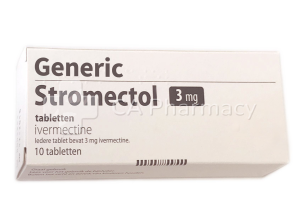
Stromectol Generic (Ivermectin) — Parasitic Infections
Stromectol Generic (Ivermectin) is an antiparasitic medication belonging to the avermectin class — one of the most important antiparasitic drugs in global medicine, credited with near-elimination of onchocerciasis (river blindness) in sub-Saharan Africa and significant reduction of lymphatic filariasis. In Canada, ivermectin is prescribed primarily for scabies and intestinal parasitic infections.
Mechanism of action: Ivermectin selectively binds to glutamate-gated chloride ion channels found in invertebrate nerve and muscle cells — channels not present in mammals. Binding causes increased chloride permeability, hyperpolarisation of nerve and muscle cells, paralysis, and death of the parasite. Ivermectin's selectivity for invertebrate channels over mammalian GABA-gated channels accounts for its excellent safety profile in humans at antiparasitic doses.
Health Canada-approved indications for Stromectol (Ivermectin):
- Scabies (Sarcoptes scabiei infestation): The most common Canadian indication. Scabies is a highly contagious skin infestation by the Sarcoptes scabiei mite — producing intense nocturnal itch, characteristic burrows, and secondary bacterial infection. In Canada, scabies outbreaks occur in long-term care facilities, correctional institutions, and First Nations communities. Oral ivermectin (single dose of 200mcg/kg, repeated after 2 weeks) is used for crusted (Norwegian) scabies and for outbreak management where topical permethrin application is impractical. Topical permethrin 5% cream remains the first-line standard treatment for typical scabies in Canadian clinical practice
- Strongyloidiasis (Strongyloides stercoralis intestinal infection): Strongyloides is an intestinal nematode that can cause life-threatening hyperinfection syndrome in immunocompromised patients (organ transplant recipients, those on high-dose corticosteroids, HIV patients). Ivermectin 200mcg/kg daily for 2 days is the treatment of choice. Important for recent Canadian immigrants from endemic regions (sub-Saharan Africa, Southeast Asia, Latin America) and international travellers
- Onchocerciasis (River blindness): Caused by Onchocerca volvulus filarial worm — rarely seen in Canada except in immigrants from endemic West African countries. Ivermectin is the treatment of choice
- Head lice (Pediculus humanus capitis): Topical ivermectin lotion is an option for permethrin-resistant head lice — a growing concern in Canadian schools
COVID-19 evidence — why ivermectin is not recommended: Despite extensive pandemic-era interest, rigorous large-scale randomised controlled trials have found no clinical benefit from ivermectin for COVID-19. The TOGETHER trial (Brazil), ACTIV-6 (NIH), PRINCIPLE (UK), and WHO Solidarity PLUS trial all found that ivermectin did not reduce hospitalisations, mortality, or time to symptom resolution compared to placebo in COVID-19 patients. Health Canada, the WHO, the PHAC, and major infectious disease societies advise against using ivermectin for COVID-19 outside of clinical trials. Early positive signals from smaller trials were substantially due to methodological issues including fraud in at least one high-profile study (Elgazzar trial).

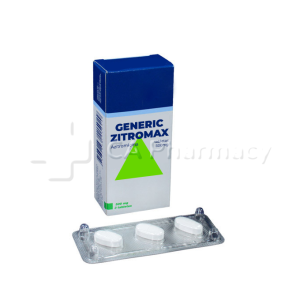
Zithromax Generic (Azithromycin) — Bacterial Infections
Zithromax Generic (Azithromycin) is a macrolide antibiotic — one of the most widely prescribed antibiotics in Canada for community-acquired respiratory and other bacterial infections. Azithromycin inhibits bacterial protein synthesis by binding to the 50S ribosomal subunit, blocking translocation and peptide chain elongation — a bacteriostatic mechanism effective against a broad spectrum of gram-positive and atypical organisms.
Health Canada-approved indications for Azithromycin:
- Community-acquired pneumonia (CAP): One of the most common serious infections in Canada — azithromycin is a cornerstone of outpatient CAP treatment, particularly effective against atypical organisms (Mycoplasma pneumoniae, Chlamydophila pneumoniae, Legionella pneumophila) that are not covered by beta-lactam antibiotics alone. The Canadian Infectious Diseases Society (CIDS) and Canadian Thoracic Society (CTS) include azithromycin as a first-line option for outpatient CAP in previously healthy adults without risk factors for drug-resistant Streptococcus pneumoniae
- Acute exacerbations of chronic bronchitis (AECB): Azithromycin provides coverage for Haemophilus influenzae, Moraxella catarrhalis, and atypical organisms commonly implicated in AECB
- Acute bacterial sinusitis: Second-line option when beta-lactams are contraindicated
- Skin and soft tissue infections: Uncomplicated skin infections due to Staphylococcus aureus (non-MRSA) and Streptococcus pyogenes
- Sexually transmitted infections: Chlamydia trachomatis — azithromycin 1g single dose (or doxycycline is now preferred per updated Canadian STI guidelines); gonorrhoea (in combination regimens)
- COPD exacerbations with bacterial trigger
- Pharyngitis/tonsillitis: Due to Streptococcus pyogenes in penicillin-allergic patients
COVID-19 evidence — why azithromycin is not recommended: Azithromycin was studied extensively during the pandemic based on its anti-inflammatory and antiviral properties observed in vitro. However, multiple large randomised controlled trials — including the RECOVERY trial (UK, 7,763 hospitalised patients), COALITION I trial (Brazil), and the PRINCIPLE trial (outpatients, UK) — found no benefit from azithromycin on mortality, hospital duration, clinical improvement, or symptom resolution in COVID-19 patients. Health Canada, the WHO, and PHAC do not recommend azithromycin for COVID-19. Additionally, inappropriate antibiotic prescribing for viral infections (including COVID-19) contributes to antimicrobial resistance — a major Canadian public health concern.

COVID-19 Management in Canada — Current Evidence-Based Approach
For Canadian patients seeking information about currently recommended COVID-19 treatments, the following represents the evidence-based standard of care as of 2026:
For outpatient (mild to moderate) COVID-19 in high-risk Canadians: Nirmatrelvir/ritonavir (Paxlovid) is the primary Health Canada-approved oral antiviral for outpatient COVID-19 in high-risk adults (age 60+, immunocompromised, multiple comorbidities) — started within 5 days of symptom onset. Remdesivir (Veklury) — intravenous — is an alternative for hospitalised patients. These are the only COVID-19 antivirals with robust clinical trial evidence of benefit in Canada.
For hospitalised COVID-19: Dexamethasone (corticosteroid) in patients requiring supplemental oxygen — the RECOVERY trial established this as standard of care. Baricitinib (Olumiant) as add-on therapy for hospitalised patients on oxygen or ventilation. Remdesivir (Veklury) in specific hospitalised patient groups.
Prevention: COVID-19 vaccination remains the cornerstone of COVID-19 prevention in Canada — updated vaccines targeting current circulating variants are recommended by the National Advisory Committee on Immunization (NACI) for all eligible Canadians, with priority for high-risk groups.
For the most current COVID-19 treatment guidance in Canada, consult the Public Health Agency of Canada (canada.ca/en/public-health) or your Canadian physician.
Delivery to All Canadian Provinces and Territories
drugs-canada.com ships all medications in this category discreetly to all Canadian provinces and territories. Standard delivery: 4–9 business days.
Ontario (Toronto, Ottawa, Hamilton, London, Brampton, Mississauga, Kitchener-Waterloo) — Quebec (Montreal, Quebec City, Laval, Gatineau, Sherbrooke) — British Columbia (Vancouver, Surrey, Burnaby, Victoria, Kelowna, Abbotsford) — Alberta (Calgary, Edmonton, Red Deer, Lethbridge) — Manitoba (Winnipeg, Brandon) — Saskatchewan (Saskatoon, Regina) — Nova Scotia (Halifax, Sydney) — New Brunswick (Moncton, Saint John, Fredericton) — Newfoundland and Labrador (St. John's, Corner Brook) — Prince Edward Island (Charlottetown) — Northwest Territories (Yellowknife) — Yukon (Whitehorse) — Nunavut (Iqaluit).
All orders are dispatched in plain, unmarked packaging with no reference to the contents or sender. Every order includes a tracking number.
Frequently Asked Questions
Is ivermectin (Stromectol) effective for COVID-19 in Canada? No — Health Canada, the WHO, and the Public Health Agency of Canada do not recommend ivermectin for COVID-19 treatment. Multiple large, rigorous randomised controlled trials found no benefit. Ivermectin at drugs-canada.com is sold for its established, evidence-based antiparasitic indications: scabies, strongyloidiasis, and onchocerciasis.
Is baricitinib (Olumiant) used for COVID-19? Yes, but only in a specific, hospital-based setting. Baricitinib has regulatory authorisation for hospitalised COVID-19 patients requiring supplemental oxygen or mechanical ventilation — where clinical trial evidence shows it reduces mortality and accelerates recovery. It is not indicated for outpatient or mild COVID-19. Its primary uses are rheumatoid arthritis, atopic dermatitis, and alopecia areata.
Is azithromycin (Zithromax) useful for COVID-19? No — azithromycin is an antibiotic with no proven benefit against COVID-19 (a viral infection). Multiple large clinical trials found no benefit. It is sold for bacterial infections including community-acquired pneumonia, sinusitis, and sexually transmitted infections where it has strong evidence of efficacy.
What is chloroquine (Aralen) actually used for? Chloroquine is an established antimalarial drug used for malaria treatment and prophylaxis (in chloroquine-sensitive regions), and as an antirheumatic for rheumatoid arthritis and lupus erythematosus. It is not recommended for COVID-19 treatment based on multiple large randomised controlled trials that found no benefit.
How long does delivery to Canada take? Standard delivery to all Canadian provinces and territories takes 4 to 9 business days. All orders arrive in plain, unmarked packaging with no reference to the contents or sender. Every order includes a tracking number.
All information on this page is for general informational purposes only and does not constitute medical advice. All medications listed require a valid prescription from a licensed Canadian healthcare provider. Always consult a qualified Canadian physician before starting any medication. For current COVID-19 treatment guidance, consult the Public Health Agency of Canada at canada.ca or your physician.