

Antidepressants & ADHD Medications
Medically reviewed by Dr. Sarah Mitchell, RPh, Clinical Pharmacist — Updated April 2026
Important: If you are in crisis or experiencing suicidal thoughts, please call or text 9-8-8 (Canada Suicide Crisis Helpline, available 24/7 in English and French) or go to your nearest emergency department immediately.
Mental health conditions — depression, anxiety disorders, and ADHD — are among the most prevalent health conditions affecting Canadians today. According to the Canadian Mental Health Association (CMHA) and Statistics Canada, approximately 1 in 5 Canadians will personally experience a mental health problem or illness in any given year — with depression and anxiety disorders collectively affecting over 8 million Canadians annually. Despite this prevalence, access to mental health care in Canada remains a persistent challenge: Canadian psychiatry wait times average 5 to 16 weeks for outpatient consultation, and many Canadians living in rural and remote communities face even longer delays in accessing specialist care. Prescription medications — when prescribed and monitored by a qualified Canadian physician, nurse practitioner, or psychiatrist — play a central, evidence-based role in managing depression, anxiety, OCD, and ADHD. At drugs-canada.com, we offer two prescription psychiatric medications: Prozac Generic (Fluoxetine) — a first-line SSRI antidepressant, and Strattera (Atomoxetine) — a non-stimulant SNRI medication used for ADHD. Both are Schedule F prescription drugs in Canada, available only with a valid Canadian prescription. From $0.41 per pill — with discreet delivery to all Canadian provinces and territories in 4 to 9 business days.
Our Psychiatric Medications — Overview
| Product | Active Ingredient | Drug Class | Primary Indication | From |
|---|---|---|---|---|
| Prozac Generic | Fluoxetine | SSRI (Selective Serotonin Reuptake Inhibitor) | Major Depressive Disorder, OCD, Panic Disorder, Bulimia Nervosa, PMDD | $0.41/pill |
| Strattera | Atomoxetine | SNRI — non-stimulant (selective norepinephrine reuptake inhibitor) | ADHD (Attention-Deficit/Hyperactivity Disorder) in children, adolescents, and adults | $0.90/pill |
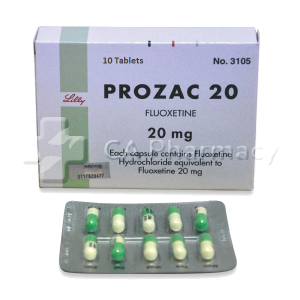
Prozac Generic (Fluoxetine) — Canada's Most Prescribed Antidepressant
Prozac Generic (Fluoxetine) is a selective serotonin reuptake inhibitor (SSRI) — the most widely prescribed class of antidepressants in Canada and internationally, and the first-line pharmacological treatment for major depressive disorder (MDD) and anxiety disorders per Canadian clinical practice guidelines. Fluoxetine was the first SSRI approved for clinical use (US FDA 1987; Health Canada shortly thereafter) and remains one of the most extensively studied psychiatric medications in history, with decades of evidence supporting its efficacy and safety in adults and children.
How fluoxetine works — serotonin reuptake inhibition: Serotonin (5-hydroxytryptamine, 5-HT) is a neurotransmitter that plays a critical role in regulating mood, emotion, sleep, appetite, and cognitive function. In depression and anxiety disorders, serotonergic neurotransmission is dysfunctional — either through reduced serotonin availability at synaptic junctions, reduced receptor sensitivity, or disrupted downstream signalling. Fluoxetine selectively inhibits the serotonin transporter (SERT) — the protein responsible for removing serotonin from the synapse and returning it to the presynaptic neuron. By blocking SERT, fluoxetine increases the availability of serotonin at postsynaptic receptors — gradually normalising serotonergic tone and producing clinical improvements in mood, anxiety, and cognition over 2 to 6 weeks of treatment.
Health Canada-approved indications for fluoxetine:
- Major Depressive Disorder (MDD): First-line treatment per CANMAT (Canadian Network for Mood and Anxiety Treatments) 2023 guidelines. Fluoxetine is effective for all severities of depression — mild, moderate, and severe. Response rates at adequate dose and duration (20–60mg daily for minimum 6–8 weeks) are approximately 50–60%, with remission achieved in approximately 30–35% after the first adequate trial
- Obsessive-Compulsive Disorder (OCD): SSRI at higher doses (40–80mg fluoxetine) are first-line pharmacotherapy for OCD per CANMAT and international guidelines — typically combined with cognitive-behavioural therapy with Exposure and Response Prevention (ERP)
- Panic Disorder: Fluoxetine reduces panic attack frequency and severity; start at low dose (5–10mg) due to initial anxiogenic effect and titrate gradually
- Bulimia Nervosa: Fluoxetine 60mg daily is the only Health Canada-approved pharmacotherapy for bulimia nervosa — reducing binge-purge frequency and associated psychological distress
- Premenstrual Dysphoric Disorder (PMDD): Fluoxetine 20mg daily (continuous) or 20mg for 14 days before menstruation (luteal phase dosing) is effective for PMDD
- Off-label uses with substantial evidence: Generalised Anxiety Disorder (GAD), Social Anxiety Disorder, Post-Traumatic Stress Disorder (PTSD), binge eating disorder
Fluoxetine's unique pharmacokinetic profile — why it differs from other SSRIs: Fluoxetine has an exceptionally long half-life (1–4 days for the parent compound; 4–16 days for the active metabolite norfluoxetine) compared to other SSRIs (escitalopram half-life ~27 hours; sertraline ~26 hours). This long half-life has important clinical implications:
- Missed doses are less clinically significant — missing one or two doses of fluoxetine produces less discontinuation effect than missing doses of shorter half-life SSRIs
- Fewer or no discontinuation symptoms when stopping — the gradual self-tapering created by fluoxetine's long half-life means discontinuation syndrome is rarely clinically significant, unlike abruptly stopping shorter half-life SSRIs
- Drug interactions persist longer after discontinuation — fluoxetine's strong CYP2D6 inhibition and long half-life mean interactions with other CYP2D6-metabolised drugs can persist for weeks after fluoxetine is stopped
Dosing guidance for Prozac Generic in Canada:
- Depression and anxiety: Start 20mg once daily (morning preferred to minimise insomnia); can increase to 40mg after 4 weeks if inadequate response; maximum 80mg/day (rarely needed)
- OCD: Start 20mg; target dose 40–60mg; up to 80mg for OCD when lower doses insufficient
- Bulimia nervosa: 60mg once daily
- Allow 4–6 weeks at adequate dose before assessing clinical response
- Continue treatment for minimum 6–12 months after response to reduce relapse risk
Canadian mental health context — depression and antidepressant use: Canada has among the highest antidepressant prescription rates per capita in the developed world — over 12% of Canadians aged 12 and older reported using antidepressants in the most recent Canadian Community Health Survey. Despite high prescription rates, significant treatment gaps remain: many Canadians with depression go undiagnosed or undertreated, and access to adjunctive psychotherapy (CBT, IPT) — which significantly improves outcomes when combined with medication — is limited by cost, wait times, and availability. Canadian primary care physicians (GPs and family doctors) initiate the majority of antidepressant prescriptions in Canada; psychiatry referral is typically reserved for treatment-resistant cases, complex presentations, or diagnostic uncertainty.
Strattera (Atomoxetine) — Non-Stimulant ADHD Treatment
Strattera (Atomoxetine) is a selective norepinephrine reuptake inhibitor (SNRI) — specifically approved by Health Canada for the treatment of Attention-Deficit/Hyperactivity Disorder (ADHD) in children aged 6 years and older, adolescents, and adults. It is important to clarify that despite being classified in the "antidepressants" category on some platforms, atomoxetine is not primarily indicated as an antidepressant — it is an ADHD medication with a mechanism and clinical use profile distinct from SSRIs like fluoxetine. Atomoxetine is categorised as a non-stimulant ADHD treatment — it does not have abuse potential and is not a controlled substance in Canada (unlike methylphenidate and amphetamine-based ADHD medications), which makes it particularly valuable for certain patient populations.
How atomoxetine works — norepinephrine reuptake inhibition: ADHD is associated with dysfunction in prefrontal cortical circuits that regulate attention, working memory, impulse control, and executive function. These circuits rely heavily on norepinephrine (noradrenaline) and dopamine neurotransmission. Atomoxetine selectively inhibits the norepinephrine transporter (NET) in the prefrontal cortex — increasing synaptic norepinephrine availability in the regions of the brain responsible for attention regulation and executive function. Unlike stimulant ADHD medications (methylphenidate, amphetamines), atomoxetine has minimal effect on dopaminergic reward pathways — explaining its very low abuse potential and non-controlled substance status in Canada.
Key advantages of Strattera (atomoxetine) over stimulant ADHD medications in Canada:
- Not a controlled substance: Methylphenidate (Ritalin, Concerta) and amphetamine-based medications (Adderall, Vyvanse) are Schedule I controlled substances in Canada under the Controlled Drugs and Substances Act — prescriptions have strict regulations (no fax, no refills by phone in most provinces). Atomoxetine has no such restrictions, making prescribing, dispensing, and access simpler
- No abuse potential: Atomoxetine does not produce euphoria or have addictive properties — important for patients with concurrent substance use disorders, or for families concerned about stimulant medication diversion
- 24-hour coverage with once-daily dosing: Atomoxetine provides continuous symptom coverage throughout the day and into the evening — important for homework, social activities, and driving. Immediate-release stimulants often have a "rebound" period in the evening
- Beneficial for comorbid anxiety: Unlike stimulants, which can worsen anxiety in patients with comorbid anxiety disorders (very common in ADHD — approximately 50% of adults with ADHD have a comorbid anxiety disorder), atomoxetine can be used in patients with concurrent anxiety without worsening it
- No appetite suppression concerns: Stimulant-induced appetite suppression is a significant concern in children (potentially affecting growth trajectory); atomoxetine has much less effect on appetite
- No rebound/crash: The extended-release pharmacokinetic profile of atomoxetine eliminates the "late afternoon crash" that some patients experience with shorter-acting stimulant formulations
Who uses Strattera (atomoxetine) in Canada:
- Children aged 6+ with ADHD whose parents or physicians prefer a non-stimulant approach, or who have had inadequate response or intolerable side effects with stimulant medications
- Adolescents and adults with ADHD who have comorbid anxiety disorders, substance use history, or who have not responded to stimulants
- ADHD patients in settings where stimulant prescribing is difficult (controlled substance prescription limitations in some provinces/territories)
- Patients in professions where stimulant use is problematic or regulated (certain security, military, or transportation roles)
ADHD in Canada — the scope of the condition: ADHD is the most common neurodevelopmental disorder in Canadian children, affecting approximately 5–7% of school-aged children (equivalent to 1–2 students per typical classroom). In adults, ADHD prevalence is approximately 3–5% — though significantly underdiagnosed particularly in women, where ADHD often presents differently (predominantly inattentive type, less hyperactivity) and frequently goes unrecognised until adulthood. The Canadian ADHD Resource Alliance (CADDRA) publishes comprehensive Canadian ADHD Practice Guidelines used by Canadian physicians and psychiatrists. According to CADDRA, stimulant medications remain first-line for most ADHD patients in Canada, with atomoxetine recommended as an important non-stimulant alternative.
Dosing guidance for Strattera in Canada:
- Children and adolescents under 70kg: Start 0.5mg/kg/day for minimum 1 week, then increase to 1.2mg/kg/day; maximum 1.4mg/kg/day or 100mg/day (whichever is less)
- Adults and patients over 70kg: Start 40mg/day for minimum 3 days, then increase to 80mg/day; after 2–4 additional weeks can increase to 100mg/day if needed
- Take once daily in the morning, or divided into two doses (morning and late afternoon)
- Full therapeutic effect typically requires 4 to 8 weeks — atomoxetine does not produce immediate symptom improvement like stimulant medications; patients and families must be counselled on the delayed onset
- Can be taken with or without food; taking with food reduces risk of nausea
Mental Health in Canada — Access, Gaps, and Canadian Resources
Mental health care access in Canada faces significant systemic challenges despite high rates of mental illness. The Mental Health Commission of Canada (MHCC) and CMHA consistently document:
- Wait times: Average wait for outpatient psychiatry in Canada ranges from 5 to 16+ weeks; in some provinces and rural areas, waits can exceed 6 months for specialist mental health care
- Cost of psychotherapy: Cognitive-behavioural therapy (CBT) — the most evidence-based psychotherapy for depression and anxiety — is not covered by provincial health insurance in most Canadian provinces and typically costs $150 to $250+ per session privately. Only some employee benefits plans cover psychotherapy
- Rural and remote Canadians: Significant disparities in mental health service access between urban centres and rural/northern communities — telehealth and virtual care have significantly improved access in recent years
- Indigenous communities: First Nations, Métis, and Inuit Canadians face disproportionate mental health burdens compounded by historical trauma, ongoing social determinants, and significant service gaps
Canadian mental health resources:
- 9-8-8 Suicide Crisis Helpline: Call or text 9-8-8 — available 24/7 in English and French across Canada. Launched November 2023 — Canada's national suicide crisis line
- Crisis Services Canada: 1-833-456-4566 (24/7)
- Canadian Mental Health Association (CMHA): cmha.ca — province-specific mental health resources, crisis lines, and community services
- BounceBack (CMHA): Free guided self-help program for mild-to-moderate depression and anxiety — available in most Canadian provinces via GP referral
- MindShift CBT app (Anxiety Canada): Free evidence-based anxiety management app developed for Canadian users
- Telus Health MyCare, Maple, Dialogue: Virtual primary care and mental health services available across Canada — many offer same-day psychiatric medication prescription and follow-up
- CAMH (Centre for Addiction and Mental Health): Canada's largest mental health teaching hospital — provides specialist consultation resources at camh.ca
Important Safety Information
Antidepressant Black Box Warning — Suicidality in Young Patients: Health Canada, like the US FDA, requires antidepressants (including fluoxetine/SSRIs) to carry a warning about increased risk of suicidal thoughts and behaviours in children, adolescents, and young adults (under 25 years) when initiating antidepressant therapy — particularly in the first few weeks. This does not mean antidepressants should be avoided in this age group — depression itself carries significant suicide risk, and treating depression reduces overall suicide risk over time. However, it means that close monitoring by a healthcare provider in the initial weeks is essential. Patients and families should be counselled to contact their prescriber or emergency services immediately if suicidal thoughts worsen or emerge after starting an antidepressant. If you or someone you care for is experiencing suicidal thoughts: call 9-8-8 or go to the nearest emergency department.
Strattera (atomoxetine) cardiovascular warnings: Atomoxetine can increase heart rate and blood pressure — baseline cardiovascular assessment is recommended before starting, and monitoring during treatment. Patients with structural cardiac abnormalities, cardiomyopathy, or serious cardiac arrhythmias should be carefully evaluated before atomoxetine is prescribed. Atomoxetine also carries a Health Canada warning about increased suicidal ideation in children and adolescents with ADHD — close monitoring is required in the initial treatment period.
Never stop antidepressants abruptly without medical guidance: Abrupt discontinuation of SSRIs can cause discontinuation syndrome — flu-like symptoms, "brain zaps" (electric shock sensations), dizziness, irritability, and anxiety. Fluoxetine's long half-life makes abrupt discontinuation less problematic than with shorter half-life SSRIs, but tapering under physician guidance is still recommended when discontinuing treatment. Always discuss stopping psychiatric medication with your prescribing physician before making changes.
Delivery to All Canadian Provinces and Territories
drugs-canada.com ships all psychiatric medications discreetly to all Canadian provinces and territories. Standard delivery: 4–9 business days.
Ontario (Toronto, Ottawa, Hamilton, London, Brampton, Mississauga, Kitchener-Waterloo) — Quebec (Montreal, Quebec City, Laval, Gatineau, Sherbrooke) — British Columbia (Vancouver, Surrey, Burnaby, Victoria, Kelowna, Abbotsford) — Alberta (Calgary, Edmonton, Red Deer, Lethbridge) — Manitoba (Winnipeg, Brandon) — Saskatchewan (Saskatoon, Regina) — Nova Scotia (Halifax, Sydney) — New Brunswick (Moncton, Saint John, Fredericton) — Newfoundland and Labrador (St. John's, Corner Brook) — Prince Edward Island (Charlottetown) — Northwest Territories (Yellowknife) — Yukon (Whitehorse) — Nunavut (Iqaluit).
All orders are dispatched in plain, unmarked packaging with no reference to the contents or sender. Every order includes a tracking number.
Frequently Asked Questions — Antidepressants and ADHD Medications in Canada
Is Strattera (atomoxetine) an antidepressant? No — atomoxetine (Strattera) is not primarily an antidepressant. It is a non-stimulant ADHD medication — a selective norepinephrine reuptake inhibitor specifically Health Canada-approved for Attention-Deficit/Hyperactivity Disorder (ADHD) in children aged 6+, adolescents, and adults. While its mechanism (SNRI) overlaps with some antidepressants, its approved and primary clinical indication is ADHD, not depression or anxiety. If you are looking for treatment for depression, Prozac Generic (Fluoxetine) is the antidepressant in this category.
How long do antidepressants take to work in Canada? SSRIs like fluoxetine typically require 2 to 6 weeks of consistent daily dosing at an adequate dose before clinically meaningful improvement in depression symptoms is observed. Full antidepressant response may take 8 to 12 weeks. This delayed onset is one of the most important things Canadian patients need to understand — many people prematurely stop antidepressants in the first 2 to 4 weeks because they don't feel better yet. Continuing medication under physician supervision through this initial period is critical. If there is no meaningful response after 6 to 8 weeks at a therapeutic dose, your physician may adjust the dose or switch to a different antidepressant.
How long does atomoxetine take to work for ADHD? Unlike stimulant ADHD medications which produce noticeable effects within hours of the first dose, atomoxetine (Strattera) requires 4 to 8 weeks of consistent daily dosing to achieve full therapeutic effect. This delayed onset is the most important counselling point for patients and families starting atomoxetine — the lack of immediate effect is expected and normal. Families should not interpret the first week or two of atomoxetine as treatment failure.
Do I need a prescription for fluoxetine or atomoxetine in Canada? Yes — both fluoxetine (Prozac Generic) and atomoxetine (Strattera) are Schedule F prescription-only medicines in Canada, regulated by Health Canada. They require a valid prescription from a licensed Canadian physician, nurse practitioner, or psychiatrist. Canadian telehealth platforms (Maple, Dialogue, Tia Health, BetterHelp) can facilitate prescriptions through virtual consultations for appropriate candidates. We strongly recommend working with a Canadian healthcare provider who can properly diagnose your condition, select the right medication, and monitor your response and safety.
If I am experiencing a mental health crisis, what should I do in Canada? If you are in crisis or experiencing suicidal thoughts, contact emergency services immediately. Call or text 9-8-8 (Canada's Suicide Crisis Helpline — available 24/7 in English and French), call 911, or go to your nearest hospital emergency department. Do not wait. Crisis support is available around the clock for every Canadian. If you are concerned about a family member or friend, the same resources apply — you can call on someone else's behalf.
How long does delivery to Canada take? Standard delivery to all Canadian provinces and territories takes 4 to 9 business days. All orders arrive in plain, unmarked packaging with no reference to the contents or sender. Every order includes a tracking number.
All information on this page is for general informational purposes only and does not constitute medical advice. Fluoxetine and atomoxetine are Schedule F prescription medicines in Canada — always consult a qualified Canadian healthcare provider before starting any psychiatric medication. If you are experiencing a mental health crisis, call or text 9-8-8 (Canada Suicide Crisis Helpline, 24/7) or go to your nearest emergency department.