
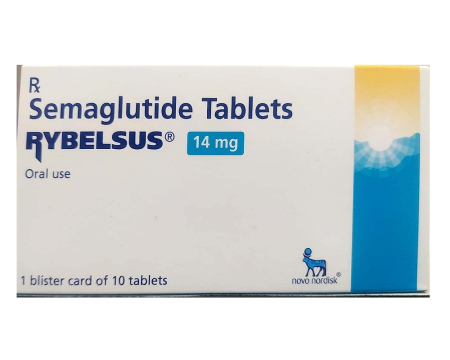


Medically reviewed by Dr. Sarah Mitchell, RPh, Clinical Pharmacist — Updated April 2026
What Is Rybelsus and How Does It Differ From Ozempic?
Rybelsus and Ozempic are both semaglutide — the same active GLP-1 receptor agonist molecule — manufactured by Novo Nordisk. The critical difference is the route of administration and dose range:
| Rybelsus (Oral Semaglutide) | Ozempic (Injectable Semaglutide) | Wegovy (Injectable Semaglutide) | |
|---|---|---|---|
| Active ingredient | Semaglutide (identical) | Semaglutide (identical) | Semaglutide (identical) |
| Manufacturer | Novo Nordisk | Novo Nordisk | Novo Nordisk |
| Route | Oral tablet — once daily | Subcutaneous injection — once weekly | Subcutaneous injection — once weekly |
| Health Canada approval | Type 2 diabetes (2020) | Type 2 diabetes + cardiovascular risk reduction | Chronic weight management (obesity) |
| Doses available | 3mg / 7mg / 14mg daily | 0.25mg / 0.5mg / 1mg / 2mg weekly | 0.25mg → 2.4mg weekly (titration) |
| HbA1c reduction | ~1.0–1.4% (14mg) | ~1.5–1.8% (1mg) | ~1.6% (2.4mg) |
| Weight loss | ~4–6 kg (14mg) | ~5–6 kg (1mg) | ~15% body weight (2.4mg) |
| No needles required | Yes — tablet only | No — weekly injection | No — weekly injection |
| Canadian supply situation | Chronic shortage ongoing | Chronic shortage ongoing | Chronic shortage ongoing |
The key practical advantage of Rybelsus for Canadian patients: No needles, no injection devices, no refrigerated storage of pens — a once-daily tablet taken first thing in the morning. For Canadian patients who are needle-averse, who cannot self-inject, or who prefer the convenience of an oral medication, Rybelsus delivers semaglutide's clinical benefits without the injection requirement of Ozempic or Wegovy.
How Rybelsus (Semaglutide) Works — The GLP-1 Mechanism
Semaglutide is a glucagon-like peptide-1 (GLP-1) receptor agonist — a synthetic analogue of the human incretin hormone GLP-1, engineered to be 94% structurally identical to native GLP-1 but with modifications that dramatically extend its half-life (approximately 1 week vs 2 minutes for native GLP-1) and enable oral absorption through the SNAC technology in Rybelsus tablets.
GLP-1 receptors are expressed throughout the body — semaglutide's effects are correspondingly multi-systemic:
Pancreatic effects (primary glucose-lowering mechanism):
- Glucose-dependent insulin secretion: Semaglutide stimulates insulin secretion from pancreatic beta cells — but only when blood glucose is elevated. When blood glucose is normal or low, the insulinotropic effect is minimal. This glucose-dependence is the reason why GLP-1 agonists rarely cause hypoglycaemia in monotherapy — unlike sulfonylureas which stimulate insulin secretion regardless of glucose level
- Glucagon suppression: Semaglutide suppresses glucagon secretion from pancreatic alpha cells — also in a glucose-dependent manner. In type 2 diabetes, inappropriately elevated glucagon drives excess hepatic glucose production. Suppressing glucagon reduces fasting glucose and postprandial glucose excursions
- Beta cell protection: Preclinical and some clinical evidence suggests GLP-1 agonists may slow beta cell loss and preserve beta cell mass over time — potentially addressing the underlying progressive nature of type 2 diabetes
Central nervous system effects (weight loss mechanism):
- GLP-1 receptors are expressed in the hypothalamus and brainstem — areas governing appetite and satiety. Semaglutide acts directly on these centres to reduce appetite, increase feelings of fullness, and slow gastric emptying. This combination produces the sustained caloric deficit responsible for the weight loss seen with semaglutide — an effect that is largely independent of its glucose-lowering action
Cardiovascular effects:
- GLP-1 receptors are expressed in cardiac myocytes and vascular endothelium. Semaglutide produces anti-inflammatory, anti-atherosclerotic, and direct cardioprotective effects that go beyond its metabolic benefits — demonstrated in the landmark SUSTAIN-6 and PIONEER-6 cardiovascular outcomes trials
Renal effects:
- Semaglutide reduces albuminuria and slows progression of diabetic nephropathy — demonstrated in the FLOW trial (semaglutide reduced risk of major kidney disease events by 24% vs placebo in patients with type 2 diabetes and chronic kidney disease)
The SNAC Technology — Why Rybelsus Can Be Taken Orally
Semaglutide is a peptide — large molecules that are normally degraded by stomach acid and proteolytic enzymes in the GI tract, which is why most GLP-1 agonists must be injected. Rybelsus overcomes this challenge through co-formulation with SNAC (sodium N-[8-(2-hydroxybenzoyl) amino] caprylate), a novel absorption enhancer that works through two complementary mechanisms:
- Local pH buffering: SNAC creates a localised microenvironment of elevated pH around the tablet in the stomach, protecting semaglutide from acid degradation and inhibiting local pepsin activity
- Transcellular absorption: SNAC transiently and reversibly increases the permeability of gastric mucosal cells, enabling semaglutide absorption directly through the stomach wall — bypassing intestinal proteolysis entirely
This is why Rybelsus must be taken on an empty stomach with no more than 4 oz (120 mL) of plain water, and why eating, drinking, or taking other medications within 30 minutes of Rybelsus substantially reduces its absorption — food and other molecules compete with SNAC's localised absorption window.
Clinical Evidence — Key Trial Data for Canadian Patients
PIONEER-1 through PIONEER-8 (Rybelsus oral semaglutide clinical programme):
- PIONEER-1 (vs placebo, monotherapy): Oral semaglutide 14mg reduced HbA1c by 1.4% vs 0.1% for placebo at 26 weeks. Body weight reduced by 4.1 kg vs 1.5 kg for placebo
- PIONEER-4 (vs subcutaneous liraglutide 1.8mg): Oral semaglutide 14mg achieved HbA1c reduction of 1.2% vs 1.1% for liraglutide — demonstrating non-inferiority to injectable GLP-1 agonist therapy
- PIONEER-6 (cardiovascular outcomes trial): Oral semaglutide demonstrated non-inferiority to placebo for major adverse cardiovascular events (MACE) in patients with high cardiovascular risk — confirming cardiovascular safety. The trial showed a trend toward cardiovascular benefit consistent with injectable semaglutide (Ozempic/SUSTAIN-6)
- PIONEER-8 (in patients on insulin): Oral semaglutide added to insulin reduced HbA1c by 1.3% and body weight by 3.3 kg vs placebo, with no unexpected hypoglycaemia — demonstrating safe and effective combination with insulin therapy
SUSTAIN-6 (injectable semaglutide, same molecule): Established the cardiovascular outcomes class-effect for semaglutide — reducing MACE by 26% vs placebo in patients with type 2 diabetes and high cardiovascular risk. While conducted with injectable semaglutide, this data informs the expected cardiovascular benefit profile of the oral formulation.
Dosage and Titration Schedule — The Correct 3mg → 7mg → 14mg Protocol
Rybelsus is initiated at a low dose and titrated upward monthly — a schedule specifically designed to minimise gastrointestinal side effects (nausea, vomiting, diarrhoea) that are most common during initiation and decrease significantly as the body adapts over weeks.
Standard titration protocol:
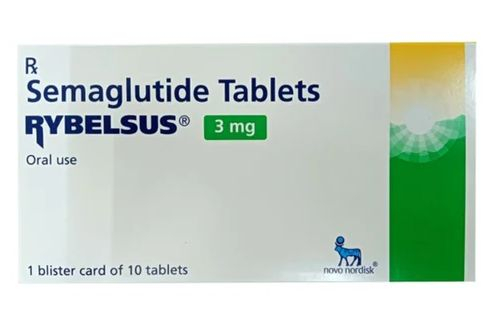
- Month 1 (Weeks 1–4): Rybelsus 3mg once daily. The 3mg dose is a starter dose only — it has minimal glucose-lowering effect and is used purely to acclimatise the GI tract to semaglutide
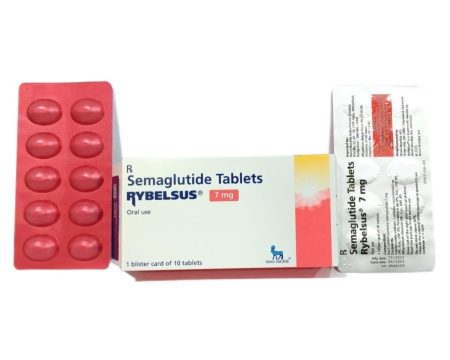
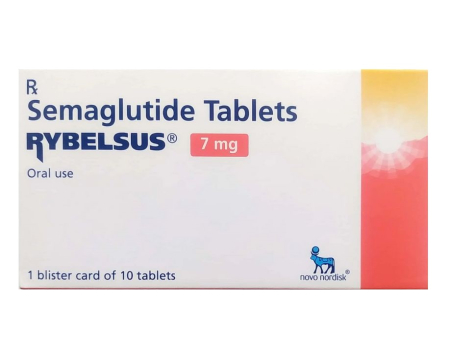
- Month 2 (Weeks 5–8): Increase to Rybelsus 7mg once daily — the first therapeutically active dose. Most patients begin to see meaningful HbA1c reduction and appetite suppression at 7mg
- Month 3+ (from Week 9): Increase to Rybelsus 14mg once daily if further glucose lowering or weight loss is desired and the 7mg dose is tolerated. The 14mg dose provides the maximum glucose-lowering and weight-loss effect of oral semaglutide
Do not rush the titration: Some Canadian patients are tempted to skip the 3mg starter phase because it has minimal glucose-lowering effect. This is a mistake — the 3mg phase is critical for GI tolerance. Patients who skip to 7mg immediately experience significantly higher rates of nausea and are more likely to discontinue. The 4-week starter phase is not optional.
Critical administration instructions — must be followed precisely for adequate absorption:
- Take Rybelsus first thing in the morning, before any food, drink, or other medications
- Swallow the tablet whole with no more than 4 oz (120 mL / approximately half a glass) of plain water. No other liquids — not juice, coffee, tea, or sparkling water
- Wait at least 30 minutes before eating anything, drinking anything other than plain water, or taking any other oral medications or supplements
- Do not split, crush, or chew the tablet — this disrupts the SNAC matrix and destroys the absorption mechanism
- Take at the same time every morning — consistency maintains stable semaglutide blood levels
Missed dose: If a dose is missed and there are more than 5 days remaining until the next monthly pack, skip the missed dose and resume the next morning. If only 1–4 days remain in the monthly cycle, skip the missed dose. Never take two Rybelsus tablets in one day.

Health Canada Black Box Warning — Thyroid C-Cell Tumours
Rybelsus carries a Health Canada black box warning regarding thyroid C-cell tumours — the most serious regulatory warning category. This is the most important safety communication on the Rybelsus label and must be understood by all Canadian patients before starting treatment.
The warning: In rodent studies, semaglutide caused dose-dependent and treatment-duration-dependent thyroid C-cell tumours (C-cell hyperplasia, adenomas, and carcinomas) at clinically relevant exposures. It is not known whether semaglutide causes thyroid C-cell tumours in humans — but the potential risk cannot be excluded based on available data.
Absolute contraindications based on this warning:
- Personal or family history of medullary thyroid carcinoma (MTC) — a cancer of thyroid C-cells
- Multiple Endocrine Neoplasia syndrome type 2 (MEN2) — a genetic syndrome associated with MTC and pheochromocytoma
Practical implications for Canadian patients: Before starting Rybelsus, your physician will ask about personal and family history of thyroid cancer. If you or a first-degree relative has had MTC or MEN2, Rybelsus is absolutely contraindicated regardless of the potential diabetes or weight loss benefit. If you develop a neck mass, difficulty swallowing, difficulty breathing, or persistent hoarseness while on Rybelsus, stop the medication and seek immediate medical evaluation.
Side Effects — GI Tolerance and What to Expect
Very common (affect more than 1 in 10 users) — almost entirely gastrointestinal:
- Nausea — the most common side effect, affecting approximately 20–30% of patients during the titration phase. Nausea is typically worse in the morning (when Rybelsus is taken) and improves over 4–8 weeks as the body adapts. Taking Rybelsus as directed (fasting, with minimal water) and eating a small, low-fat breakfast 30 minutes later minimises nausea
- Diarrhoea — common during dose escalation, usually self-limiting
- Decreased appetite — an expected and often welcome pharmacological effect
- Nausea and vomiting
- Abdominal discomfort
- Constipation — less common than diarrhoea but reported, particularly as gastric emptying slows
Practical management of GI side effects for Canadian patients:
- Do not rush titration — stay at each dose for the full 4 weeks before increasing
- Eat small, frequent, low-fat meals — large or fatty meals worsen nausea under semaglutide
- Stay hydrated — nausea-related reduced fluid intake can cause dehydration
- Avoid alcohol and spicy foods during the first 8 weeks of treatment
- Nausea that persists beyond 4–6 weeks at any dose is unusual — discuss with your physician
Important — Pancreatitis: Acute pancreatitis has been reported with GLP-1 receptor agonists including semaglutide. Symptoms requiring immediate medical attention: severe abdominal pain that radiates to the back, with or without vomiting. Stop Rybelsus immediately and go to your nearest emergency department if these symptoms develop. Once pancreatitis has occurred with any GLP-1 agonist, re-challenging with semaglutide is not recommended.
Important — Diabetic Retinopathy Complications: The SUSTAIN-6 trial observed a higher rate of diabetic retinopathy complications with injectable semaglutide vs placebo in patients with pre-existing retinopathy and rapid HbA1c reduction. Rapid glucose lowering can temporarily worsen retinopathy. Canadian patients with pre-existing diabetic retinopathy should inform their ophthalmologist when starting Rybelsus and schedule monitoring appropriately.
Hypoglycaemia: Rybelsus monotherapy has a very low risk of hypoglycaemia because of its glucose-dependent insulin secretion mechanism. Hypoglycaemia risk increases significantly when Rybelsus is combined with insulin or sulfonylureas — dose reductions of the insulin or sulfonylurea are often required when adding Rybelsus.
Heart rate: Semaglutide produces a modest increase in resting heart rate of approximately 2–3 beats per minute — a class effect of GLP-1 agonists. Clinical significance is generally minimal but should be monitored in patients with pre-existing tachyarrhythmias.

Who Should Not Take Rybelsus
Rybelsus is contraindicated in:
- Patients with personal or family history of medullary thyroid carcinoma (MTC) — absolute contraindication (see Black Box Warning above)
- Patients with Multiple Endocrine Neoplasia syndrome type 2 (MEN2) — absolute contraindication
- Patients with known hypersensitivity to semaglutide or any excipient in Rybelsus tablets
- Type 1 diabetes mellitus — not indicated and potentially dangerous (semaglutide does not replace insulin in T1DM)
- Diabetic ketoacidosis (DKA) — requires immediate insulin management
- Pregnancy — semaglutide is embryotoxic in animal studies. Stop Rybelsus at least 2 months before planned pregnancy. Use effective contraception during treatment
- Breastfeeding — unknown if semaglutide is excreted in human breast milk
Use with particular caution in:
- History of pancreatitis — semaglutide is generally avoided in patients with prior acute or chronic pancreatitis
- Pre-existing diabetic retinopathy — monitor closely with ophthalmologist during initial glucose-lowering phase
- Patients on insulin or sulfonylureas — hypoglycaemia risk increases; dose reduction of insulin or sulfonylurea required
- Severe renal impairment (eGFR <15 mL/min) — limited clinical data; use with caution
- Severe GI disease — gastroparesis, inflammatory bowel disease. Rybelsus further slows gastric emptying and may worsen GI dysmotility
Drug Interactions
Rybelsus does not significantly inhibit or induce CYP450 enzymes — its drug interaction profile is primarily related to its effect on gastric emptying rather than pharmacokinetic metabolism:
- All oral medications taken within 30 minutes of Rybelsus: Semaglutide slows gastric emptying, which can reduce the absorption rate and peak concentration of co-administered oral drugs. Always wait 30 minutes after taking Rybelsus before any other oral medication, particularly those with narrow therapeutic windows
- Warfarin and other oral anticoagulants: Delayed gastric emptying can alter warfarin absorption — monitor INR more closely when initiating or stopping Rybelsus
- Oral contraceptives: May have reduced peak absorption due to delayed gastric emptying — take oral contraceptives either more than 30 minutes after Rybelsus or at a different time of day
- Levothyroxine: Take levothyroxine more than 30 minutes after Rybelsus, or at a different time of day
- Insulin and sulfonylureas: Increased hypoglycaemia risk — see above. Dose reductions typically required
- Other GLP-1 receptor agonists: Do not combine Rybelsus with other GLP-1 agonists (liraglutide, dulaglutide, exenatide) — additive GI side effects and no additional efficacy benefit
Rybelsus for Weight Loss — Canadian Context
Semaglutide's weight loss effects — mediated through hypothalamic GLP-1 receptor activation reducing appetite and increasing satiety — are profound and have driven enormous Canadian public interest since the high-dose semaglutide injection Wegovy was approved by Health Canada for chronic weight management. The weight loss observed with Rybelsus 14mg in PIONEER trials (approximately 4–6 kg) is meaningful but substantially less than what is achieved with Wegovy (average 15% body weight reduction at 2.4mg weekly injectable dose).
Rybelsus is not Health Canada-approved for weight loss — it is approved for type 2 diabetes only. Prescribing Rybelsus off-label for weight loss in non-diabetic Canadians is a clinical decision requiring physician assessment. Canadian physicians prescribing semaglutide for weight management in patients without diabetes should use Wegovy (the Health Canada-approved obesity indication) rather than off-label Rybelsus — though Wegovy availability has also been severely constrained by supply shortages.
For Canadian patients with both type 2 diabetes and overweight/obesity — Rybelsus addresses both conditions simultaneously, which is one of its most clinically valuable properties. The combined HbA1c reduction and weight loss are complementary and mutually reinforcing.
Health Canada Status and Canadian Provincial Drug Coverage
Health Canada approval: Rybelsus (semaglutide oral) received Health Canada approval in 2020 for treatment of type 2 diabetes mellitus in adults as an adjunct to diet and exercise. It is a Schedule F prescription drug — a valid Canadian prescription is required.
Provincial drug plan coverage (as of 2026):
- Ontario (ODB): Rybelsus has limited ODB coverage — primarily for patients who have failed or are intolerant to metformin and other oral agents. Confirm specific criteria with your Ontario pharmacist or physician
- British Columbia (BC PharmaCare): Special authority listing — requires application demonstrating inadequate glycaemic control on existing therapy
- Quebec (RAMQ): Listed with specific eligibility criteria — confirm with pharmacist
- Private insurance: Most Canadian employer-sponsored drug plans cover GLP-1 agonists including Rybelsus — however, many plans require step therapy (demonstrating failure of metformin first). Check your specific plan formulary
- Novo Nordisk Patient Support: Novo Nordisk Canada offers patient support programmes for Rybelsus including cost assistance for eligible uninsured or underinsured Canadian patients — NovoAssist programme
Supply shortage context: Since 2022, Ozempic and Rybelsus have experienced chronic supply shortages across Canada, driven by unprecedented global demand. Canadian pharmacies frequently have limited or no stock of specific doses. International online pharmacies have become a significant source for Canadian patients who cannot access semaglutide through local channels.

Delivery to All Canadian Provinces
drugs-canada.com ships discreetly to all Canadian provinces and territories. Standard delivery: 4–9 business days.
Ontario (Toronto, Ottawa, Mississauga, Hamilton, Brampton) — British Columbia (Vancouver, Victoria, Surrey, Kelowna) — Quebec (Montreal, Quebec City, Laval, Gatineau) — Alberta (Calgary, Edmonton, Red Deer) — Manitoba (Winnipeg) — Saskatchewan (Saskatoon, Regina) — Nova Scotia (Halifax) — New Brunswick (Moncton, Fredericton) — and all remaining provinces and territories.
All orders are delivered in plain, unmarked packaging with no reference to the contents or sender. A tracking number is included with every order.
Frequently Asked Questions — Rybelsus in Canada
What is the difference between Rybelsus and Ozempic? Both contain semaglutide — the identical GLP-1 receptor agonist manufactured by Novo Nordisk. Rybelsus is taken as an oral tablet once daily. Ozempic is a subcutaneous injection taken once weekly. Ozempic achieves higher semaglutide blood levels (due to more complete absorption) and produces somewhat greater HbA1c reduction and weight loss than Rybelsus at equivalent dose ranges. Rybelsus is the choice for Canadian patients who prefer not to inject. Both require a prescription in Canada.
Can Rybelsus be used for weight loss in Canada? Rybelsus is approved by Health Canada for type 2 diabetes — not specifically for weight loss. It does produce meaningful weight loss (4–6 kg at 14mg) as a pharmacological effect. Some Canadian physicians prescribe Rybelsus off-label for weight management in patients with obesity but without diabetes — however, Wegovy (high-dose injectable semaglutide 2.4mg) is the specifically Health Canada-approved option for chronic weight management, producing approximately 15% body weight reduction. Discuss semaglutide for weight management with a Canadian physician.
Why must Rybelsus be taken on an empty stomach? Rybelsus uses SNAC technology to enable oral absorption of semaglutide — a peptide that would normally be destroyed in the stomach. SNAC creates a protected absorption window at the gastric mucosa that is highly sensitive to interference from food, other beverages, and medications. Food and other molecules directly compete with and disrupt this absorption mechanism. Studies show that taking Rybelsus with food or within 30 minutes of food reduces semaglutide bioavailability by up to 50–75% — making the strict fasting requirement essential for therapeutic effectiveness.
How long does it take for Rybelsus to lower blood sugar? Semaglutide builds up in the blood progressively — reaching steady-state levels after approximately 4–5 weeks of daily dosing. The 3mg starter dose produces minimal glucose lowering. At 7mg (months 2 onwards), meaningful HbA1c reduction begins. The full therapeutic effect at 14mg is typically seen at the 3-month HbA1c measurement. Weight loss effects emerge gradually — typically 2–3 kg by week 8, with continued loss over 3–6 months.
Can I take Rybelsus with metformin? Yes — combining Rybelsus with metformin is one of the most common and effective type 2 diabetes treatment combinations. Metformin reduces hepatic glucose output via AMPK; semaglutide stimulates insulin secretion and suppresses glucagon. The two mechanisms are complementary and additive. The combination is well tolerated — the main consideration is timing: take Rybelsus first thing in the morning (fasting), wait 30 minutes, then eat breakfast and take metformin with that meal.
Why is Rybelsus so expensive in Canada? Rybelsus is a brand-name specialty medication with no generic equivalent currently available in Canada. Novo Nordisk's pricing reflects the substantial development costs of the SNAC oral delivery technology and the extensive PIONEER clinical programme. List price at Canadian retail pharmacies is approximately CAD$270–350 per 30-tablet monthly supply. Provincial drug plan coverage and private insurance substantially reduce out-of-pocket costs for eligible patients. The Novo Nordisk NovoAssist programme offers cost assistance for uninsured Canadians.
Is there a generic Rybelsus available in Canada? No — as of January 2026, there is no generic oral semaglutide approved in Canada. Rybelsus remains a Novo Nordisk branded product. Generic semaglutide development is underway by multiple manufacturers globally but no Health Canada-approved generic is currently available.
How long does delivery to Canada take? Standard delivery to all Canadian provinces takes 4 to 9 business days. All orders arrive in plain, unmarked packaging with no reference to the contents or sender. Every order includes a tracking number.