


Medically reviewed by Dr. Sarah Mitchell, RPh, Clinical Pharmacist — Updated April 2026
What Is Azithromycin (Zithromax)? — Mechanism of Action and Unique Pharmacokinetics
Azithromycin is a second-generation macrolide antibiotic — a semi-synthetic derivative of erythromycin, structurally modified to include a nitrogen atom in the 15-membered lactone ring (making it an "azalide" macrolide). This structural modification dramatically improves tissue penetration, acid stability, and half-life compared to erythromycin, accounting for azithromycin's unique pharmacokinetic advantages.
Mechanism of action — 50S ribosomal subunit inhibition: Azithromycin exerts its antibacterial effect by binding reversibly to the 50S ribosomal subunit of bacterial ribosomes — specifically to the 23S rRNA component. This binding blocks ribosomal translocation (the movement of the ribosome along the mRNA during protein synthesis) and inhibits the peptidyl transferase reaction, preventing peptide chain elongation. The result is inhibition of bacterial protein synthesis — a bacteriostatic mechanism at standard therapeutic concentrations (though azithromycin can be bactericidal at high concentrations against certain organisms). Because bacterial ribosomes (70S: 30S + 50S subunits) differ structurally from human ribosomes (80S: 40S + 60S subunits), azithromycin selectively inhibits bacterial protein synthesis with minimal effect on human cells.
Azithromycin's unique pharmacokinetics — the key to its clinical utility:
- Extraordinary tissue distribution: Azithromycin is actively taken up by phagocytes (macrophages, neutrophils, monocytes) and transported to sites of infection — achieving tissue concentrations 10 to 100 times higher than simultaneous plasma concentrations. This is clinically significant because respiratory infections occur in lung tissue, not plasma — azithromycin achieves and maintains antibacterial concentrations in lung tissue far superior to what its modest serum levels would suggest
- Long tissue half-life (68 hours): While the plasma half-life is approximately 68 hours, the tissue half-life extends considerably longer — drug concentrations in infected tissues persist for 5 to 7 days after the last dose. This remarkable persistence is the pharmacokinetic basis for short-course therapy (3-day or 5-day "Z-Pack" courses) that provide sustained antibacterial activity well beyond the dosing period
- Intracellular accumulation: Azithromycin accumulates in phagolysosomes of macrophages and is actively delivered by phagocytes to infection sites — particularly effective against intracellular organisms like Chlamydia, Legionella, and Mycobacterium avium that reside within host cells and are inaccessible to many other antibiotics
- Acid stability: Unlike erythromycin, azithromycin is stable at gastric pH — achieving good oral bioavailability (~37% in the fasted state, reduced by food for some formulations)
- Minimal hepatic metabolism and drug interactions: Azithromycin undergoes minimal cytochrome P450 metabolism — significantly fewer drug interactions than erythromycin or clarithromycin (which are potent CYP3A4 inhibitors)
Health Canada-Approved Indications — Complete Canadian Guide
1. Community-Acquired Pneumonia (CAP) — the primary indication
Community-acquired pneumonia is one of the most important Canadian indications for azithromycin. CAP affects approximately 200,000 adult Canadians annually, with roughly 10 to 20% requiring hospitalisation. Azithromycin's particular advantage in CAP relates to its excellent coverage of atypical organisms — pathogens that cause pneumonia but are not covered by standard beta-lactam antibiotics (amoxicillin, amoxicillin-clavulanate):
- Mycoplasma pneumoniae: The most common cause of "walking pneumonia" in Canadian young adults and school-age children — associated with the classic presentation of gradual onset cough, mild fever, and bilateral patchy infiltrates. Azithromycin is first-line treatment
- Chlamydophila pneumoniae (formerly Chlamydia pneumoniae): Common cause of community-acquired pneumonia in all age groups — azithromycin achieves excellent intracellular concentrations against this obligate intracellular pathogen
- Legionella pneumophila: Causes Legionnaires' disease — a severe, potentially fatal pneumonia associated with contaminated water systems (cooling towers, hot tubs). Canada has sporadic Legionella outbreaks — azithromycin is a first-line treatment for Legionnaires' disease based on its intracellular penetration and tissue accumulation
- Streptococcus pneumoniae (mild disease): The most common bacterial cause of CAP — azithromycin provides coverage for penicillin-sensitive strains, though macrolide-resistant S. pneumoniae is a growing concern in Canada
- Haemophilus influenzae, Moraxella catarrhalis: Covered by azithromycin — commonly implicated in COPD exacerbations with bacterial trigger
Canadian guidelines position: CIDS and CTS guidelines recommend azithromycin as a first-line option for outpatient CAP in previously healthy adults without significant comorbidities or risk factors for drug-resistant S. pneumoniae. For patients with comorbidities or who are at higher risk for drug-resistant organisms, combination therapy or respiratory fluoroquinolones may be preferred — always follow your Canadian physician's individualised recommendation.
2. Chlamydia Trachomatis (STI) — Genital Chlamydial Infection
Chlamydia is the most commonly reported sexually transmitted infection in Canada — with over 30,000 new cases reported annually (substantially undercounted due to asymptomatic presentation and incomplete testing). Untreated chlamydia causes pelvic inflammatory disease (PID) in women (leading to infertility and ectopic pregnancy risk), epididymo-orchitis in men, and reactive arthritis in both sexes. Neonatal chlamydial conjunctivitis and pneumonia occur from vertical transmission during delivery.
Azithromycin 1g as a single oral dose has been the standard first-line treatment for uncomplicated genital chlamydial infection in Canada for over two decades. However, Canadian STI guidelines (PHAC 2022 update) now recommend doxycycline 100mg twice daily for 7 days as the preferred first-line treatment for uncomplicated chlamydia based on higher cure rates in recent clinical trials. Azithromycin 1g single dose remains an acceptable alternative, particularly when adherence to a 7-day doxycycline course is a concern, when doxycycline is contraindicated (pregnancy — first trimester, allergy), or in specific clinical settings.
Important: All sexual partners of confirmed chlamydia cases should be tested and treated simultaneously to prevent reinfection cycles.
3. Acute Bacterial Sinusitis
Acute bacterial sinusitis is a common reason for antibiotic prescribing in Canadian primary care — though the majority of sinusitis episodes are viral and do not benefit from antibiotics. When bacterial sinusitis is confirmed (persistent symptoms beyond 10 days, or worsening after initial improvement), amoxicillin-clavulanate is the preferred first-line antibiotic in Canadian guidelines. Azithromycin is a second-line option for patients with significant penicillin allergy (anaphylaxis/urticaria to penicillin — not merely GI intolerance, which is not a true contraindication to beta-lactams). Note: macrolide resistance among Canadian Streptococcus pneumoniae isolates is a limitation of azithromycin for sinusitis in some regions.
4. Acute Exacerbations of Chronic Bronchitis (AECB) / COPD
Azithromycin covers the key bacterial pathogens implicated in AECB — Haemophilus influenzae, Moraxella catarrhalis, Streptococcus pneumoniae, and atypical organisms. For outpatient COPD exacerbations with clinical features suggesting bacterial trigger (increased sputum purulence, increased dyspnoea), azithromycin is a reasonable antibiotic option in Canadian practice, particularly in penicillin-allergic patients or as an alternative to amoxicillin-clavulanate. For severe or hospitalised COPD exacerbations, intravenous azithromycin plus beta-lactam combination therapy is used.
5. COPD Prophylaxis — Long-Term Azithromycin
An important and evidence-based use of azithromycin that is often overlooked: long-term low-dose azithromycin (250mg three times weekly or 250mg daily) significantly reduces the frequency of COPD exacerbations in patients with moderate-to-severe COPD who remain symptomatic despite optimal inhaler therapy. The ALBERT trial (NEJM 2011) demonstrated a significant reduction in exacerbation frequency with azithromycin prophylaxis. This use is endorsed in Canadian COPD management guidelines for selected patients after specialist assessment — the benefits must be weighed against risks including macrolide resistance, QTc prolongation (particularly important for cardiac screening), and hearing impairment. Long-term azithromycin prophylaxis requires specialist (respirologist/pulmonologist) supervision with regular monitoring.
6. Pharyngitis / Tonsillitis (Penicillin-Allergic Patients)
Group A Streptococcus (Streptococcus pyogenes) pharyngitis/tonsillitis — "strep throat" — is very common in Canadian children and adults. Penicillin V or amoxicillin is the gold-standard treatment. For patients with confirmed penicillin allergy (anaphylaxis, urticaria), azithromycin 500mg on Day 1 followed by 250mg daily for Days 2 to 5 (standard Z-Pack) is an evidence-based alternative. Note: macrolide-resistant Group A Strep is present in Canadian communities — clinical failure should prompt culture and sensitivity testing.
7. Skin and Soft Tissue Infections (Uncomplicated)
Uncomplicated skin infections caused by Staphylococcus aureus (non-MRSA) and Streptococcus pyogenes — impetigo, cellulitis, erysipelas. Azithromycin is a second-line option when first-line agents (cloxacillin, cephalexin) are contraindicated or have failed. MRSA is a growing concern in Canadian community settings — azithromycin is not effective against MRSA; culture and sensitivity testing should guide therapy for complicated or non-responding skin infections.
8. Sexually Transmitted Infections — Beyond Chlamydia
- Gonorrhoea (dual therapy): Neisseria gonorrhoeae dual antibiotic therapy is required due to widespread resistance — Canadian STI guidelines recommend ceftriaxone IM 500mg (single dose) for uncomplicated gonorrhoea. Azithromycin was previously combined with ceftriaxone in dual therapy, but azithromycin-resistant gonorrhoea has emerged and current Canadian guidelines (PHAC 2022) have moved away from azithromycin in gonorrhoea treatment regimens except in specific circumstances. Follow current Public Health Agency of Canada STI guidelines
- Lymphogranuloma venereum (LGV): Caused by Chlamydia trachomatis serovars L1, L2, L3 — doxycycline is preferred; azithromycin is an alternative
- Non-gonococcal urethritis (NGU): Azithromycin 1g single dose is an option for NGU caused by Chlamydia, Mycoplasma genitalium, and Ureaplasma urealyticum — though Mycoplasma genitalium macrolide resistance is increasing in Canada
COVID-19 — Not Recommended
Azithromycin has no proven benefit for COVID-19. It is an antibiotic active against bacteria — not against SARS-CoV-2 or any other virus. Large RCTs found no benefit. Inappropriate antibiotic use for viral infections drives antimicrobial resistance — a major Canadian public health threat. Health Canada, the WHO, and PHAC do not recommend azithromycin for COVID-19.

Canadian Dosing Guide — Z-Pack and Other Regimens
Community-Acquired Pneumonia (outpatient, mild-moderate severity):
- Standard Canadian adult regimen: 500mg on Day 1, followed by 250mg once daily on Days 2 to 5 (total 5-day course; the classic "Z-Pack" or "Zithromax Z-Pak")
- Alternative: 500mg once daily for 3 days (3-day course) — equivalent efficacy for typical CAP with comparable cure rates in clinical trials
Chlamydia (uncomplicated genital):
- 1000mg (1g) as a single oral dose — the simplest antibiotic regimen in infectious disease; entire course taken at once, ensuring complete compliance
- Take on an empty stomach for optimal absorption; nausea is common — taking with a small amount of food is acceptable if nausea is severe, accepting some reduction in absorption
Pharyngitis/Tonsillitis (penicillin-allergic):
- 500mg on Day 1, then 250mg once daily on Days 2 to 5 (5-day Z-Pack)
Acute Sinusitis / AECB (second-line, penicillin-allergic):
- 500mg once daily for 3 days
COPD Prophylaxis (specialist-supervised, long-term):
- 250mg three times weekly (Monday/Wednesday/Friday) OR 250mg once daily — duration ongoing, reviewed by respirologist annually with audiometry and ECG monitoring
How to take azithromycin:
- Standard tablets (250mg, 500mg, 1000mg): can be taken with or without food — food slightly reduces peak serum concentration but does not affect overall bioavailability for standard tablets significantly. For chlamydia 1g single dose, taking 1 hour before or 2 hours after a meal maximises absorption
- Take at the same time each day
- Complete the entire prescribed course — do not stop early even if feeling better. Bacterial infections may not be fully eradicated after symptom resolution
- Store at room temperature, away from moisture

Side Effects — Complete Canadian Guide
Very common / common (affecting 1–10% or more):
- Gastrointestinal effects — the most prevalent side effects: Nausea, abdominal cramping, diarrhoea, and vomiting are the most frequently reported azithromycin side effects. The mechanism relates to azithromycin's motilin receptor agonist activity (shared with all macrolides) — stimulating gastrointestinal motility and causing the characteristic GI upset. Taking azithromycin with food can reduce GI side effects, though it may modestly reduce absorption for some formulations. GI side effects are substantially less severe with azithromycin than with older macrolides (erythromycin) — a key advantage of azithromycin. For the 1g chlamydia single dose, nausea is particularly common — taking with a light snack can help while minimally affecting efficacy
- Headache: Common; usually mild and self-limiting
- Dizziness: Mild; avoid driving if affected; usually resolves within a day of the dose
Important — QTc prolongation (cardiac safety):
Azithromycin prolongs cardiac ventricular repolarisation (QT interval) — a class effect of macrolide antibiotics. QT prolongation predisposes to the potentially fatal arrhythmia torsades de pointes. For most healthy patients taking standard short courses of azithromycin, the absolute cardiac risk is very low. However, QT prolongation is clinically significant for Canadian patients with:
- Pre-existing long QT syndrome or known cardiac arrhythmias
- Hypokalaemia or hypomagnesaemia (low potassium or magnesium)
- Concomitant use of other QT-prolonging medications — fluoroquinolones (ciprofloxacin, levofloxacin — often co-prescribed for respiratory infections), antipsychotics, methadone, some antihistamines, azole antifungals, ondansetron (Zofran)
- Bradycardia, recent myocardial infarction, or significant heart failure
- Long-term COPD prophylaxis use — regular ECG monitoring required
The FDA and Health Canada have issued communications noting increased risk of fatal cardiac arrhythmias with azithromycin in patients with known cardiac risk factors. Inform your Canadian physician of any cardiac conditions or QT-prolonging medications before starting azithromycin.
Serious — requiring medical attention:
- Clostridioides difficile (C. diff) colitis: Azithromycin, like all systemic antibiotics, can disrupt intestinal microbiome and allow C. difficile overgrowth — causing potentially severe antibiotic-associated colitis. Report any significant diarrhoea (watery, bloody, or mucous) that develops during or after azithromycin treatment to a physician immediately. Risk is higher with older age, hospitalisation, proton pump inhibitors, and prior C. diff history
- Hepatotoxicity: Rare but reported cases of cholestatic jaundice, hepatic necrosis, and hepatic failure with azithromycin. Report jaundice, dark urine, or severe right upper quadrant abdominal pain to a physician. Liver function tests are appropriate for patients with pre-existing hepatic disease
- Severe allergic reactions: Anaphylaxis, angioedema, Stevens-Johnson syndrome — rare but potentially life-threatening. Stop azithromycin immediately and call 911 if signs of severe allergic reaction develop (difficulty breathing, swelling of face/throat, severe urticaria)
- Hearing impairment / tinnitus: Auditory adverse effects have been reported, particularly with high-dose or prolonged azithromycin use (more relevant to COPD prophylaxis context). Audiometry testing is recommended before and periodically during long-term prophylactic azithromycin use
Key Drug Interactions
- QT-prolonging medications (most important): Additive QT prolongation risk with fluoroquinolones (ciprofloxacin, levofloxacin — commonly co-prescribed for respiratory infections), antipsychotics (haloperidol, quetiapine), methadone, ondansetron (Zofran), antifungals (fluconazole), amiodarone, sotalol. Avoid combinations or use with careful cardiac monitoring
- Warfarin: Azithromycin can increase the anticoagulant effect of warfarin by inhibiting gut bacteria involved in vitamin K production — INR monitoring is important when starting or stopping azithromycin in patients on warfarin
- Digoxin: Azithromycin can increase digoxin levels by altering gut microbiome and increasing digoxin absorption — monitor for digoxin toxicity
- Ergotamine / dihydroergotamine: Macrolides can increase ergot alkaloid levels — risk of acute ergotism (peripheral vasoconstriction). Avoid combination
- Antacids (aluminium/magnesium-containing): Reduce azithromycin peak serum concentration — separate administration by at least 2 hours if possible
- Ciclosporin: Azithromycin may increase ciclosporin blood levels — monitor
Antimicrobial Stewardship — Why Azithromycin Is for Bacterial Infections Only
Antimicrobial resistance is one of the most serious public health threats facing Canada. The Public Health Agency of Canada (PHAC) Canadian Antimicrobial Resistance Surveillance System (CARSS) reports rising macrolide resistance rates among key pathogens including Streptococcus pneumoniae, Mycoplasma genitalium, and Neisseria gonorrhoeae in Canadian communities. Key principles for appropriate azithromycin use:
- Azithromycin is effective only against bacteria — it has no effect on viruses including influenza, common cold (rhinovirus), COVID-19 (SARS-CoV-2), RSV, or any other viral respiratory infection
- Most acute respiratory tract infections in otherwise healthy Canadians are viral and do not benefit from antibiotics
- Taking azithromycin for viral infections contributes to antimicrobial resistance — reducing azithromycin's future effectiveness for patients with genuine bacterial infections
- Always use azithromycin only when prescribed by a Canadian physician for a confirmed or strongly suspected bacterial infection
Delivery to All Canadian Provinces and Territories
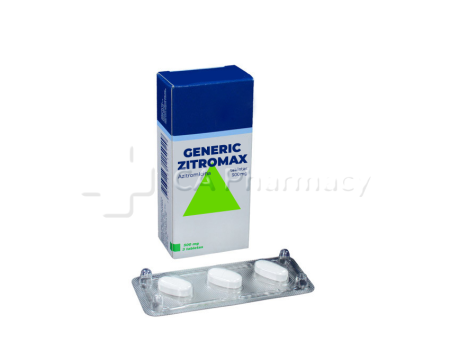
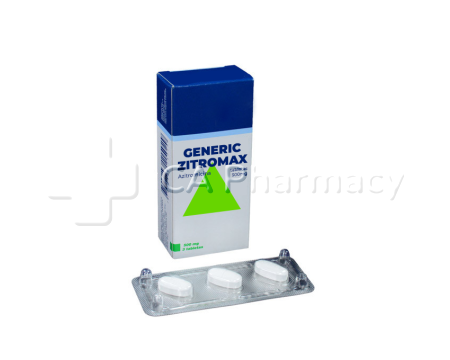
drugs-canada.com ships Zithromax Generic discreetly to all Canadian provinces and territories. Standard delivery: 4–9 business days.
Ontario (Toronto, Ottawa, Hamilton, London, Brampton, Mississauga, Kitchener-Waterloo) — Quebec (Montreal, Quebec City, Laval, Gatineau, Sherbrooke) — British Columbia (Vancouver, Surrey, Burnaby, Victoria, Kelowna, Abbotsford) — Alberta (Calgary, Edmonton, Red Deer, Lethbridge) — Manitoba (Winnipeg, Brandon) — Saskatchewan (Saskatoon, Regina) — Nova Scotia (Halifax, Sydney) — New Brunswick (Moncton, Saint John, Fredericton) — Newfoundland and Labrador (St. John's, Corner Brook) — Prince Edward Island (Charlottetown) — Northwest Territories (Yellowknife) — Yukon (Whitehorse) — Nunavut (Iqaluit).
All orders are dispatched in plain, unmarked packaging with no reference to the contents or sender. Every order includes a tracking number.
Frequently Asked Questions — Zithromax Generic (Azithromycin) in Canada
What is the Zithromax Z-Pack and how does it work? The Zithromax Z-Pack (Z-Pak) is the standard 5-day azithromycin course: 500mg on Day 1, followed by 250mg once daily on Days 2 to 5 — a total of 6 tablets providing 1.5g azithromycin over 5 days. Due to azithromycin's unique pharmacokinetic properties (long tissue half-life, intracellular accumulation), the antibacterial effect continues for 5 to 7 days after the last tablet — providing effective treatment for bacterial respiratory infections with a short, convenient course. The Z-Pack is appropriate for community-acquired pneumonia, acute bacterial sinusitis (second-line), pharyngitis (penicillin-allergic patients), and acute bronchitis with bacterial features. It is NOT appropriate for viral respiratory infections including COVID-19, influenza, or common cold.
Is azithromycin still the recommended treatment for chlamydia in Canada? Canadian STI guidelines (PHAC 2022 update) now recommend doxycycline 100mg twice daily for 7 days as the preferred first-line treatment for uncomplicated genital chlamydial infection, based on evidence of higher cure rates. Azithromycin 1g single dose remains an acceptable alternative when adherence to a 7-day regimen is a concern, when doxycycline is contraindicated (pregnancy, documented allergy), or in specific clinical settings. Consult your Canadian physician or sexual health clinic for current STI treatment guidance.
Can azithromycin treat COVID-19? No — azithromycin is an antibiotic that kills bacteria. COVID-19 is caused by a virus (SARS-CoV-2) — antibiotics have no effect on viruses. Multiple large clinical trials involving thousands of patients found no benefit from azithromycin in COVID-19 patients. Using azithromycin for viral infections contributes to antibiotic resistance. Health Canada and the WHO do not recommend azithromycin for COVID-19.
Why does azithromycin only require a 3 or 5-day course when other antibiotics require 7 to 14 days? Azithromycin's uniquely long tissue half-life (approximately 68 hours) and extraordinary intracellular accumulation mean that therapeutic drug concentrations persist in infected tissues for 5 to 7 days after the last dose is taken. A 5-day Z-Pack course thus provides over 10 days of continued antibacterial activity in tissue. Other antibiotics (amoxicillin, doxycycline) have shorter half-lives and require longer courses to achieve equivalent cumulative drug exposure at the infection site.
How long does delivery to Canada take? Standard delivery to all Canadian provinces and territories takes 4 to 9 business days. All orders arrive in plain, unmarked packaging with no reference to the contents or sender. Every order includes a tracking number.
All information on this page is for general informational purposes only and does not constitute medical advice. Zithromax Generic (Azithromycin) is a Schedule F prescription medicine in Canada — a valid prescription from a licensed Canadian healthcare provider is required. Azithromycin is effective only against bacterial infections — it has no proven benefit for viral infections including COVID-19. Inappropriate antibiotic use contributes to antimicrobial resistance. Always consult a qualified Canadian physician before starting any antibiotic therapy. If you experience signs of a severe allergic reaction or cardiac symptoms while taking azithromycin, seek emergency medical care immediately.