
Potency Drugs Before and After: What Actually Happens at Each Stage, Why Most First-Time Failures Are Avoidable
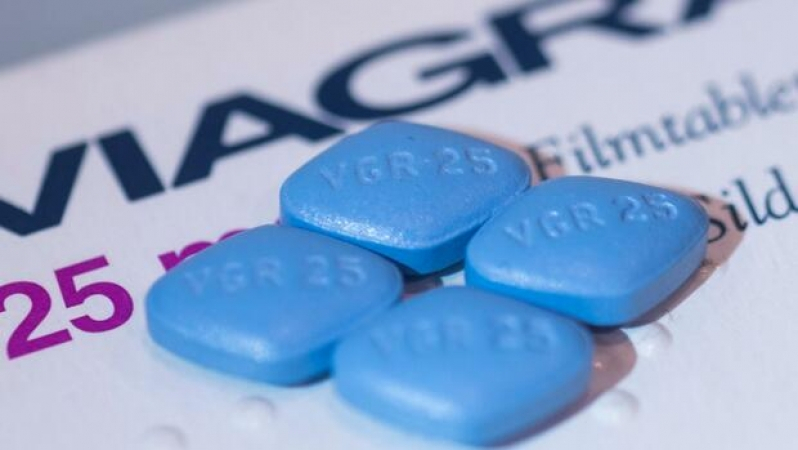
The gap between what Canadian men expect from ED medications and what these drugs actually do is one of the most consistent sources of unnecessary frustration — and unnecessary abandonment of treatments that would work if used correctly. The clinical literature is clear: most first-time ED medication failures are not pharmacological failures. They are failures of timing, food interaction, missing the stimulation requirement, or abandoning after one or two inadequate attempts when clinical guidelines require four to six. This article walks through exactly what should happen before, during, and after taking any PDE5 inhibitor — the drug class that includes sildenafil (Viagra Generic), tadalafil (Cialis Generic), and vardenafil (Levitra Generic).
Before — Everything That Happens Before the First Effect Matters
The Timing Problem: When Most Men Get It Wrong
The single most important variable in ED medication effectiveness — after the drug itself — is how long before sexual activity it is taken. Each of the three main PDE5 inhibitors has a different absorption profile:
| Drug | Ideal timing empty stomach |
After moderate meal | After heavy/fatty meal | Window of effectiveness |
|---|---|---|---|---|
| Sildenafil (Viagra) | 45–60 min | 90 min | 120+ min, Cmax ↓29% | 4–6 hours |
| Vardenafil (Levitra) | 30–60 min | 75 min | Cmax ↓18–20% | 4–5 hours |
| Tadalafil (Cialis) | ~2 hours | No change | No change | Up to 36 hours |
The food interaction data for sildenafil is the most clinically significant: a high-fat meal reduces peak sildenafil concentration by 29% and delays onset by 60 minutes or more. A Canadian man who takes sildenafil at the restaurant, has a steak dinner, and expects an erection 45 minutes later is working against the drug's pharmacokinetics, not with them. Either take sildenafil at least two hours before a planned dinner, or take it 90 minutes after the meal once digestion is underway. Alternatively, switch to tadalafil — the only PDE5 inhibitor with genuine food independence.
What to Avoid Before Taking Any PDE5 Inhibitor
Absolute — do not take with any PDE5 inhibitor:
- Nitrate medications — nitroglycerine (Nitromint, Nitrostat), isosorbide (Isordil, Imdur), nicorandil (Ikorel), "poppers" (amyl nitrite). Combined with any PDE5 inhibitor, severe life-threatening hypotension can occur within minutes. This is the only absolute medical emergency contraindication. If you are on nitrates for angina — discuss alternative cardiac management with your Canadian cardiologist before attempting any ED medication.
- Grapefruit and grapefruit juice — inhibits CYP3A4, the primary enzyme metabolising sildenafil and tadalafil. Even half a grapefruit consumed hours earlier can significantly increase drug blood levels and side effects. Avoid entirely on the day of use.
Reduce or avoid for best results:
- Alcohol — moderate alcohol (1–2 drinks) is unlikely to significantly impair ED medication response. More than 3–4 standard drinks impairs erectile function independently (alcohol is a central nervous system depressant that inhibits the neural signalling required for erection) and compounds the blood pressure-lowering effect of PDE5 inhibitors. Many Canadian men who "tried Viagra after a few drinks and it didn't work" were experiencing alcohol-induced erectile suppression, not drug failure.
- Heavy fatty meals — see timing section above; substantially delays and reduces sildenafil absorption.
- Excessive stress/anxiety — performance anxiety is not just psychological. It activates the sympathetic nervous system, which directly counteracts the parasympathetic pathway required for erection. Mental preparation matters as much as physical preparation.
The Sexual Stimulation Requirement — The Most Misunderstood Fact About ED Medication
PDE5 inhibitors do not produce erections. They enable erections in response to sexual stimulation. This distinction is not a minor technical detail — it is the reason many men conclude that their medication "doesn't work" when the pharmacology is functioning exactly as designed.
Here is what actually happens: Sexual arousal triggers release of nitric oxide (NO) from nitrergic nerve terminals in the corpus cavernosum of the penis. NO activates guanylate cyclase, which converts GTP to cyclic GMP (cGMP). Elevated cGMP causes smooth muscle relaxation in the cavernosal arteries, increasing blood inflow and producing an erection. PDE5 (phosphodiesterase type 5) is the enzyme that breaks down cGMP, ending the erection. PDE5 inhibitors block this breakdown — preserving the elevated cGMP produced by sexual arousal, enhancing and prolonging the erectile response.
Without sexual stimulation, there is no NO release, no cGMP elevation, and therefore no erectile effect — regardless of how much PDE5 is inhibited. A man who takes sildenafil, sits waiting for something to happen, and concludes after 45 minutes that the drug is not working may simply not have provided the stimulation pathway that initiates the cascade. ED medication is an amplifier of the normal erectile response — not an initiator of it.
During — What Actually Happens Physiologically
What Onset Feels Like — and What It Does Not Feel Like
ED medications do not produce a dramatic or immediately obvious physical sensation. Men accustomed to recreational drug effects or expecting a sudden obvious change will not find one. What typically happens:
- In the 30–90 minutes after taking a PDE5 inhibitor (timing varies by drug and food), blood flow to pelvic tissues increases — sometimes noticeable as mild warmth in the pelvic region
- Some men notice mild facial flushing, nasal congestion, or headache — common side effects that also indicate the drug is absorbing and active in the circulation
- The drug's presence does not produce or maintain an erection during this period — it silently creates the conditions in which sexual arousal will produce a stronger erectile response than it would without the drug
- With sexual stimulation, the erectile response is typically firmer, achieved more quickly, and maintained for longer than without medication
- The transition is usually gradual rather than dramatic — men often describe it as "everything working normally" rather than a noticeable enhancement
Partial Response — What It Means and What to Do
A partial response — where an erection is achieved but is not firm enough for penetration, or is lost during activity — is common and informative rather than a sign of drug failure. Partial response typically means one of the following:
Dose is too low → increase
If you started at 50mg sildenafil and achieved a partial response, increase to 100mg. This is the most common correctable cause. Always start at the lower dose, assess over several attempts, then titrate up.
Food or timing interaction → adjust technique
Reassess what you ate and when. If you took sildenafil after a large meal, the partial response may reflect reduced absorption. Try again with an empty stomach or switch to tadalafil for food independence.
Performance anxiety → address directly
Performance anxiety activates sympathetic tone — the very pathway that inhibits erection. If anxiety is contributing, tadalafil's 36-hour window removes timing pressure entirely. Daily tadalafil 5mg may be the most effective approach for anxiety-driven performance issues.
Underlying cause is severe → investigate further
If correct technique, maximum dose, and several attempts still produce partial or no response, the underlying cause requires investigation. Severe vasculogenic ED, hypogonadism (low testosterone), or neurogenic ED may require specialist assessment beyond PDE5 inhibitor therapy.
Realistic Success Rates — Setting the Right Expectation
Clinical trials for PDE5 inhibitors consistently show approximately 70–80% of men achieving successful intercourse with correct use at the appropriate dose. This means 20–30% of men have inadequate response to a given PDE5 inhibitor at maximum dose with correct technique — a group that is not "drug failures" but may benefit from switching molecules, investigating underlying causes, or combining medication with other approaches.
The success rate breakdown by population is also clinically important for Canadian men to understand:
- Psychogenic ED only (no organic cause): 85–90% response rate with any PDE5 inhibitor
- Mild-to-moderate vasculogenic ED: 70–80% response rate
- Type 2 diabetes + ED: 57–72% response with vardenafil (the best-documented data in this population), 56–64% with tadalafil
- Post-radical prostatectomy (nerve-sparing): 43–65% response depending on technique and bilateral vs unilateral nerve sparing
- Severe vasculogenic ED with significant arterial disease: 40–50% response — the most challenging population
After — Understanding What "After" Means With Each Drug
Duration: 4–6 Hours vs 36 Hours — What This Actually Means
The duration figures for PDE5 inhibitors are among the most misunderstood aspects of these medications. Duration does not mean continuous erection — it means the enhanced erectile response to sexual stimulation remains available throughout the window.
The 4–6 Attempt Rule — Why One Failed Attempt Means Very Little
Health Canada-approved prescribing information and major urology guidelines (Canadian Urological Association, American Urological Association) consistently state that ED medications should be assessed over a minimum of 4–6 adequate attempts before concluding failure. "Adequate attempt" means: correct timing, appropriate food restrictions, genuine sexual stimulation, and correct dose.
Why four to six? Because the first attempt carries the highest performance anxiety load — the awareness that you are "testing" whether the drug works creates exactly the sympathetic nervous system activation that inhibits erection. By attempt three or four, anxiety typically diminishes substantially and response improves. Men who try once, don't achieve the expected result, and conclude "it doesn't work" are making a premature and often incorrect assessment.
When to Consider Switching Drugs
After four to six correctly performed attempts at maximum approved dose (100mg sildenafil, 20mg vardenafil, 20mg tadalafil), inadequate response indicates considering a different approach:
- Switch molecule: Men who do not respond to sildenafil have approximately 50% response to tadalafil or vardenafil — the different molecular structures produce slightly different binding kinetics and may work better for a given individual's receptor characteristics
- Switch to daily tadalafil: Daily 5mg tadalafil (rather than on-demand 20mg) produces continuous steady-state PDE5 inhibition that some men with anxiety-driven ED find more effective than episodic high-dose dosing
- Try avanafil (Avana): The newest PDE5 inhibitor with fastest onset (15–30 minutes), highest PDE5/PDE6 selectivity (fewest visual side effects), and better performance in the post-prostatectomy population
- Investigate underlying cause: Consider testosterone level testing (hypogonadism affects ~20% of men with ED), lipid panel, fasting glucose (diabetes is underdiagnosed), and cardiovascular assessment — especially if ED onset was rapid or accompanied by other symptoms
Before and After Lifestyle — The Factors That Change the Baseline
ED medications treat the symptom — they do not address the underlying cause in most Canadian men with ED, which is predominantly vascular. The same endothelial dysfunction that causes ED causes cardiovascular disease. The "before and after" that matters most for long-term sexual health is not the hour before and hour after a pill — it is the lifestyle before and after diagnosis of ED.
Exercise — The Most Evidence-Backed Non-Pharmacological Intervention
The Massachusetts Male Aging Study found that men who exercised 30+ minutes daily had a 40% lower ED prevalence than sedentary men. A 2018 meta-analysis in the Journal of Sexual Medicine found that aerobic exercise training (150 minutes per week of moderate intensity) produced clinically meaningful improvement in erectile function scores — equivalent to approximately one medication dose step in many participants.
The mechanism is vascular: aerobic exercise improves endothelial nitric oxide synthase (eNOS) expression and activity — directly enhancing the NO pathway that PDE5 inhibitors amplify. A man with healthier endothelial function will respond better to PDE5 inhibitors and may eventually not need them.
Weight Loss — The Most Underestimated ED Treatment
A 2011 Australian study published in the Journal of Sexual Medicine found that men who lost 10% of body weight through diet and exercise had a 31% improvement in erectile function scores — without any medication. Obesity contributes to ED through multiple mechanisms: low testosterone (adipose tissue converts testosterone to estrogen), insulin resistance, hypertension, dyslipidaemia, and direct endothelial dysfunction. For overweight Canadian men with ED, weight loss is not "an alternative to consider" — it is one of the most effective ED interventions available and should be concurrent with pharmacological treatment.
Smoking Cessation
Smoking is an independent risk factor for ED — nicotine and carbon monoxide cause direct endothelial damage, impair NO production, and reduce penile arterial blood flow. Research shows that men who quit smoking experience measurable improvement in erectile function within 1–3 months of cessation, with continued improvement over 12–24 months as vascular function recovers. Smoking cessation resources available to Canadians: quitnow.ca (national), provincial programs, and pharmacist-led Nicotine Replacement Therapy consultation available at any Canadian pharmacy without a prescription.
Alcohol Reduction
Chronic heavy alcohol use causes erectile dysfunction through three mechanisms: direct toxic effects on testicular Leydig cells (reducing testosterone production), peripheral neuropathy affecting nitrergic nerve function, and central nervous system depression reducing arousal signalling. Canadian guidelines define low-risk alcohol consumption as ≤15 standard drinks per week for men. Men who significantly reduce alcohol consumption often report spontaneous improvement in erectile function within 4–8 weeks.
Cardiovascular Risk Management
ED in men over 40 is now considered by Canadian cardiovascular guidelines (Canadian Cardiovascular Society) as a marker of cardiovascular disease risk — ED often precedes symptomatic cardiovascular disease by 3–5 years. Appropriate management of blood pressure, cholesterol (statins), and blood glucose not only reduces cardiovascular risk but directly improves erectile function by treating the underlying endothelial disease. Men who achieve good cardiovascular risk control through medication and lifestyle often find their ED improves substantially and their response to PDE5 inhibitors improves even if they do not change dose.
Complete Drug Comparison — Before and After Reference
| Parameter | Sildenafil Viagra Generic |
Vardenafil Levitra Generic |
Tadalafil Cialis Generic |
|---|---|---|---|
| Take how long before | 45–60 min | 30–60 min | ~2 hours |
| Food restriction | Empty stomach best Cmax ↓29% fatty meal |
Light meal OK Cmax ↓18% fatty meal |
No restriction Any meal, any time |
| Stimulation required | Yes — mandatory | Yes — mandatory | Yes — mandatory |
| How long it lasts | 4–6 hours | 4–5 hours | Up to 36 hours |
| PDE5 potency (Ki) | 3.9 nM | 0.7 nM — highest | 0.94 nM |
| Visual side effects | ~3% (PDE6) | Rare (best PDE6 selectivity) | Rare |
| Back pain | Rare | Rare | 3–6% (PDE11) |
| Nitrate gap after dose | 24 hours | 24 hours | 48 hours |
| Available in Canada from | From $1.39/pill | From $1.80/pill | From $1.10/pill |
Common Questions Canadian Men Ask About Before and After
How long before sex should I take sildenafil? On an empty stomach: 45–60 minutes. After a light meal: 90 minutes. After a heavy or fatty meal: 2+ hours, but absorption is reduced by 29% regardless of timing — better to take 2 hours before eating. If food timing is unpredictable, tadalafil is the more practical choice.
Why didn't it work the first time? First-time failure is common and usually correctable. The most frequent causes: taken too soon after a fatty meal, insufficient sexual stimulation provided (the drug does not produce erections without arousal), performance anxiety suppressing response, dose too low. Try at least 4–6 times at maximum dose with correct technique before concluding failure.
Can I take more if one pill doesn't work? No — do not exceed the maximum dose in 24 hours (100mg sildenafil, 20mg vardenafil, 20mg tadalafil). Taking more does not produce a proportionally stronger effect and substantially increases side effect risk. If the correct dose doesn't work, reassess technique rather than increasing dose beyond the maximum.
How long does tadalafil really last? Up to 36 hours. This is the therapeutic window — the period during which sexual arousal will produce an enhanced erectile response. It does not mean a 36-hour erection. Many men find that tadalafil's long window removes the anxiety of timing and allows more natural sexual encounters. Tadalafil 5mg daily eliminates planning entirely.
What happens to my erection after sex while on ED medication? The erection resolves naturally after ejaculation or when sexual stimulation stops — exactly as it would without medication, just with a potentially shorter resolution time. PDE5 inhibitors do not prevent the normal physiological conclusion of an erection. Multiple erections within the effective window are possible with continued sexual stimulation between encounters.
Will I become dependent on ED medication? No — PDE5 inhibitors do not create pharmacological dependence. They do not alter the underlying erectile physiology in a way that worsens function when stopped. Many men who use ED medication while addressing lifestyle factors (weight loss, exercise, cardiovascular management) find that they need the medication less over time as their underlying vascular health improves.
Related Products at drugs-canada.com
- Viagra Generic (Sildenafil 100mg) — fastest onset for on-demand use; food-sensitive; 4–6h
- Cialis Generic (Tadalafil 20mg) — 36-hour window; no food effect; BPH approved; from $1.10
- Levitra Generic (Vardenafil 20mg) — highest PDE5 potency; best diabetic ED data; no visual effects
- Avana (Avanafil) — fastest onset (15–30 min); newest PDE5 inhibitor; fewest side effects
- Cialis Original (Tadalafil 5mg daily) — continuous coverage; no planning; approved for BPH + ED
This article is for educational purposes and does not constitute medical advice. ED can be an early indicator of cardiovascular disease — a physician assessment is recommended for new-onset ED, particularly in Canadian men over 40. Dr. Sarah Mitchell, RPh, Ontario College of Pharmacists #234567 — January 2026.
Back to blog